How Often Should You Water a Garden?
Watering is one of the most important parts of gardening, but knowing how often to water a garden can be confusing for beginners. Some plants need consistently moist soil, while others grow better when the soil dries slightly between watering sessions. Watering too frequently can cause root rot, fungal diseases, and weak root development, while insufficient water can lead to wilting, yellow leaves, and slow growth. The right watering schedule depends on several factors, including the type of plants you grow, your soil, the local climate, the season, and whether your garden is planted in the ground or in containers. Instead of following a rigid daily schedule, learning how to check soil moisture and recognize your plants’ needs will help you water more effectively. In this guide, you will discover how often to water different gardens, the best time of day to water, and practical ways to keep your plants healthy throughout the growing season.
1. How Often Should You Water a Garden?
As a general starting point, many established outdoor gardens need approximately 1 inch of water per week, including rainfall. Some gardens may need more during hot, dry weather, while others require less in cool or rainy conditions. This amount is a guideline rather than a strict rule because different plants have different water requirements.
Newly planted seeds, seedlings, and transplants usually need more frequent attention because their roots are still developing. Their soil should remain appropriately moist without becoming waterlogged. Established plants generally develop deeper roots and may tolerate longer intervals between watering sessions.
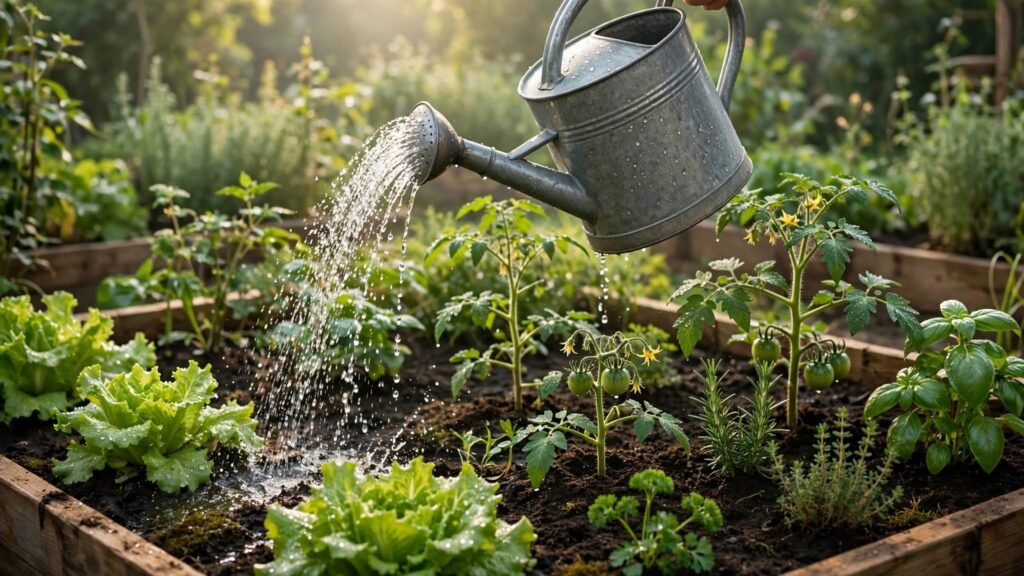
Rather than watering automatically every day, check the soil before reaching for your watering can. Insert your finger about 1–2 inches into the soil. If it feels dry, watering may be necessary. If it is still moist, check again later. For deeper-rooted plants, examine moisture farther down when possible. For more helpful advice on planting, soil preparation, watering, and everyday garden care, explore our Complete Gardening Guide for Beginners to build your gardening knowledge step by step.
2. Understand Your Plants’ Watering Needs
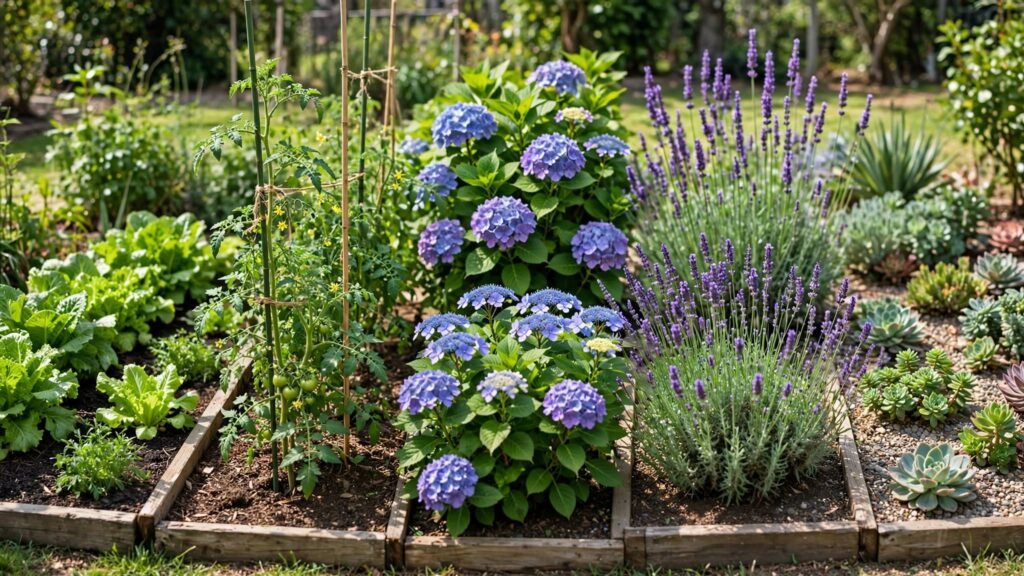
Different plants require different amounts of water. Leafy vegetables such as lettuce and spinach generally prefer consistently moist soil, especially during warm weather. Tomatoes need regular moisture to support healthy growth and fruit development, while cucumbers may require frequent watering because they grow quickly and produce water-rich fruits.
Flowering plants also vary in their needs. Hydrangeas and many moisture-loving flowers appreciate more consistent moisture, whereas lavender and some other Mediterranean plants prefer well-drained soil and can suffer if their roots remain wet. Succulents and many drought-tolerant plants need much less frequent watering.
Young plants often require more careful monitoring than established plants. Their roots occupy a smaller area and cannot reach moisture deep in the soil. As plants mature, their watering needs may change depending on their size, growth stage, and weather conditions.
Before planting, read seed packets, plant labels, or reliable growing guides to understand the specific needs of each variety. Grouping plants with similar watering requirements makes garden care easier and reduces water waste.
3. Check Your Soil Type Before Watering
Soil type has a major influence on how frequently your garden needs water. Sandy soil drains quickly, allowing water to pass through before roots can absorb enough moisture. Gardens with sandy soil may need smaller, more frequent watering sessions, particularly during hot weather.
Clay soil behaves differently. It holds water for longer and drains slowly. Watering clay soil too frequently can leave roots without sufficient oxygen and increase the risk of root rot. Allow the soil to dry appropriately between watering sessions, while avoiding prolonged dryness around plants that need consistent moisture.
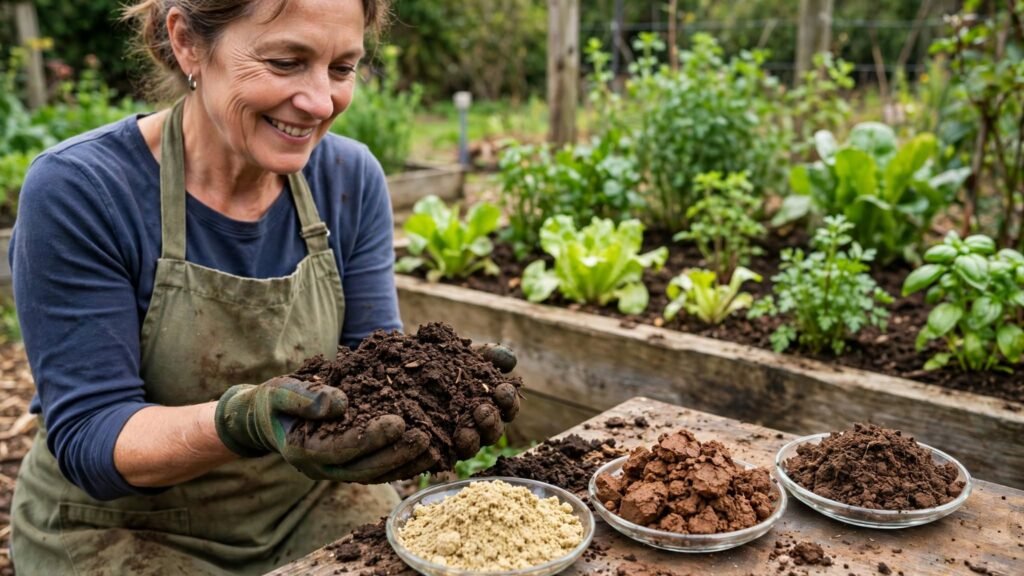
Loamy soil generally provides a helpful balance between drainage and moisture retention. Adding suitable organic matter, such as finished compost, can improve soil structure and help many gardens retain moisture more evenly. However, amendments should be chosen according to existing soil conditions and plant needs.
A simple soil test can help you understand how your garden behaves. After watering, check how deeply moisture has penetrated. If the surface is wet but the soil beneath is dry, you may need to water more slowly or for longer. If the ground remains soggy, reduce watering and investigate drainage.
4. Consider Weather and Seasonal Changes
Weather is one of the biggest reasons watering schedules change. During hot, sunny, or windy periods, water evaporates quickly from the soil and plants lose moisture faster. Your garden may need more frequent watering during these conditions, especially if it contains young plants or shallow-rooted vegetables.
Rainy weather usually reduces the need for additional watering. However, light showers may wet only the soil surface without reaching the roots. Check the soil after rainfall instead of assuming your garden has received enough water. A rain gauge can help you estimate how much rain has fallen.

Spring often brings moderate temperatures, although newly planted seeds still need careful monitoring. Summer typically requires closer attention to moisture, especially in exposed gardens and containers. In autumn, cooler weather may reduce water loss, but plants still need moisture while they are actively growing. During winter, outdoor watering depends on local temperatures, rainfall, soil conditions, and whether plants remain actively growing.
Always adjust your watering routine to current conditions rather than following the same schedule throughout the year.
5. Learn the Best Time of Day to Water
Early morning is generally the best time to water an outdoor garden. Temperatures are usually cooler, evaporation is lower, and plants have time to absorb moisture before the hottest part of the day. Morning watering also allows leaves to dry as the day progresses, which can help reduce some fungal disease risks.
Watering during the middle of a hot afternoon can result in greater water loss through evaporation. It is not necessarily harmful if plants are becoming dangerously dry, however. If your garden needs water urgently, provide it rather than allowing plants to suffer simply because the timing is not ideal.
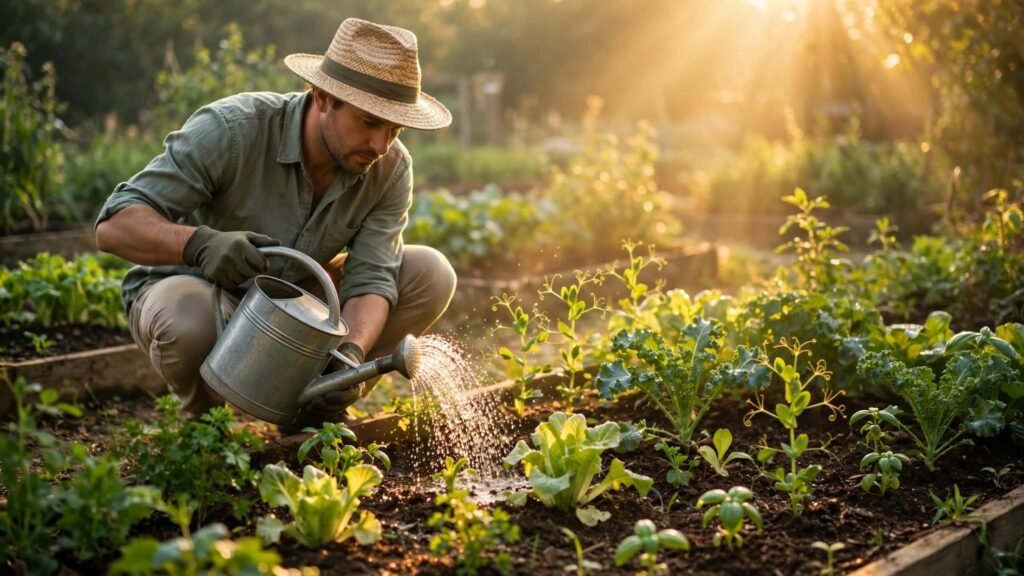
Evening watering can be useful when morning watering is impossible, particularly in hot climates. Direct water toward the soil instead of repeatedly wetting foliage, and avoid leaving plants with damp leaves overnight when possible. This is especially important for vegetables and flowers susceptible to fungal diseases.
The most practical schedule is one you can maintain consistently while responding to the actual moisture needs of your plants.
6. Water Deeply Rather Than Shallowly
Deep watering encourages roots to grow farther into the soil, where they may find moisture during short dry periods. Frequent, shallow watering can encourage roots to remain close to the surface, making plants more vulnerable to heat and drought.
To water deeply, apply water slowly enough that it soaks into the root zone instead of running across the surface. The appropriate duration depends on your soil, watering equipment, and garden layout. Check the soil after watering to see whether moisture has reached the desired depth.

For established vegetables, flowers, and shrubs, a thorough watering followed by a suitable drying interval is often better than repeatedly sprinkling the soil surface. However, seeds and young seedlings are an exception because their shallow roots may need more frequent, gentle watering.
Mulch can also help conserve soil moisture. A suitable layer of organic mulch, such as straw or shredded leaves, reduces evaporation and helps moderate soil temperature. Keep mulch slightly away from plant stems and trunks to discourage rot and other problems.
7. Water Container Gardens More Frequently
Plants growing in pots and containers often need more frequent watering than plants growing in the ground. Containers hold a limited amount of soil, and exposed pots can heat up quickly in direct sunlight. Water may drain through the bottom, leaving the remaining soil dry sooner than expected.
Check container moisture regularly, particularly during hot or windy weather. Insert your finger into the potting mix and assess whether the root zone needs water. When watering is necessary, apply enough to moisten the mix thoroughly and allow excess water to drain from the bottom.
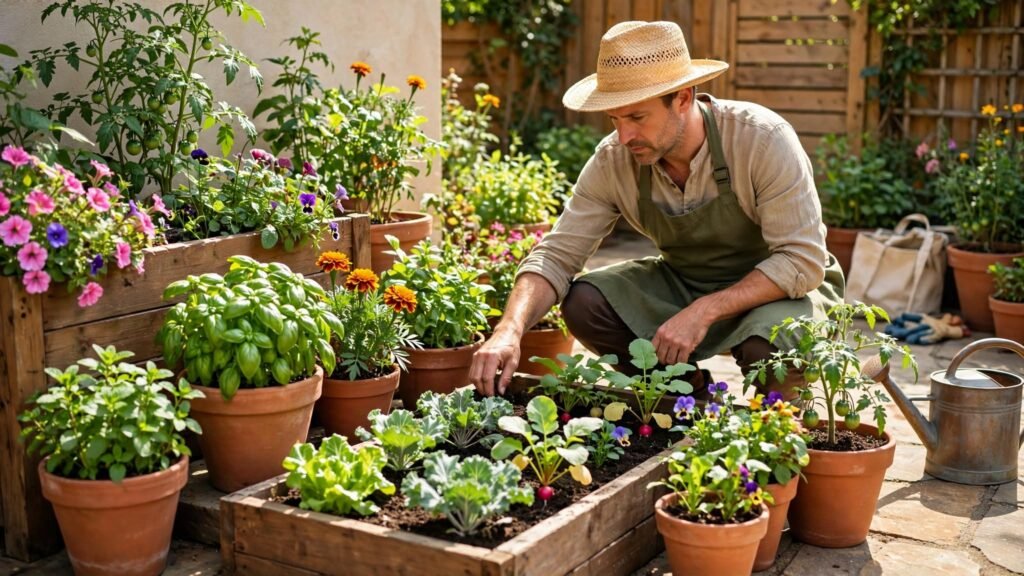
Always use containers with drainage holes unless you are using a suitable inner pot or another system designed to manage drainage. Standing water can deprive roots of oxygen and contribute to root rot.
Small pots, hanging baskets, and containers made from porous materials may dry faster than large plastic or glazed pots. Plants in full sun also tend to need closer monitoring than those in partial shade. Grouping pots with similar water needs can make daily garden care more efficient.
8. Recognize the Signs of Underwatering and Overwatering
Plants often show visible signs when their watering routine is unsuitable. Underwatered plants may develop drooping leaves, dry soil, curled foliage, slow growth, and dry leaf edges. Flowers and fruits may also become smaller when plants experience repeated water stress.
Overwatered plants can look surprisingly similar. Their leaves may turn yellow, growth may slow, and stems may weaken. The soil may remain wet for long periods, and roots can become damaged when oxygen is limited. Some plants wilt even when the soil is saturated because damaged roots cannot absorb water effectively.
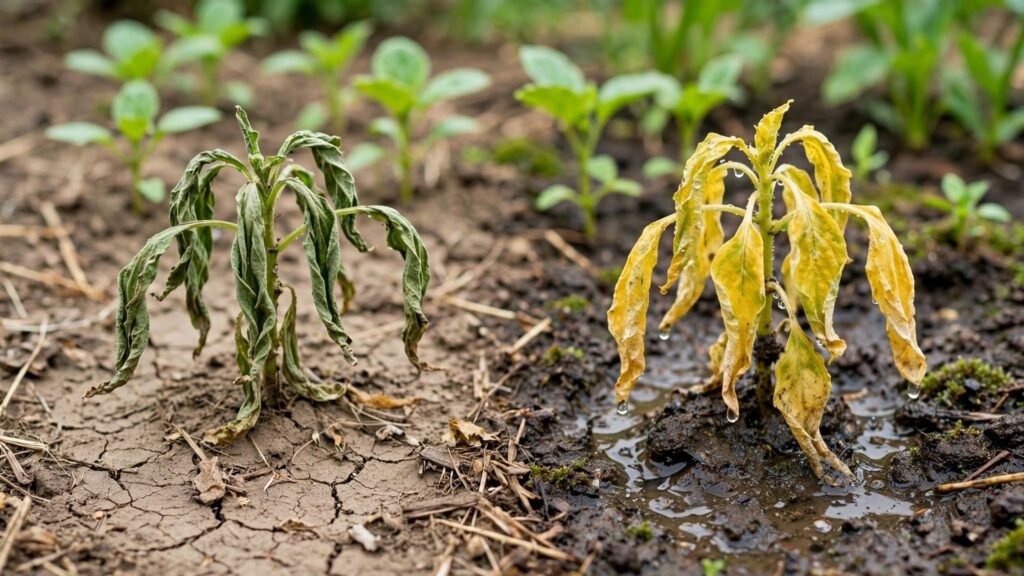
Do not rely on leaves alone to determine whether watering is needed. Check the soil moisture, examine the drainage, and consider recent weather conditions. Yellow leaves can also result from nutrient deficiencies, pests, disease, or natural aging. Overwatering is one of the problems new gardeners can overlook, so read about common gardening mistakes beginners should avoid to learn how to care for your plants more confidently.
If the soil is dry and the plant shows signs of dehydration, water thoroughly and monitor recovery. If the soil is soggy, pause watering, improve drainage where appropriate, and inspect the plant if symptoms persist.
9. Choose Watering Tools That Save Time
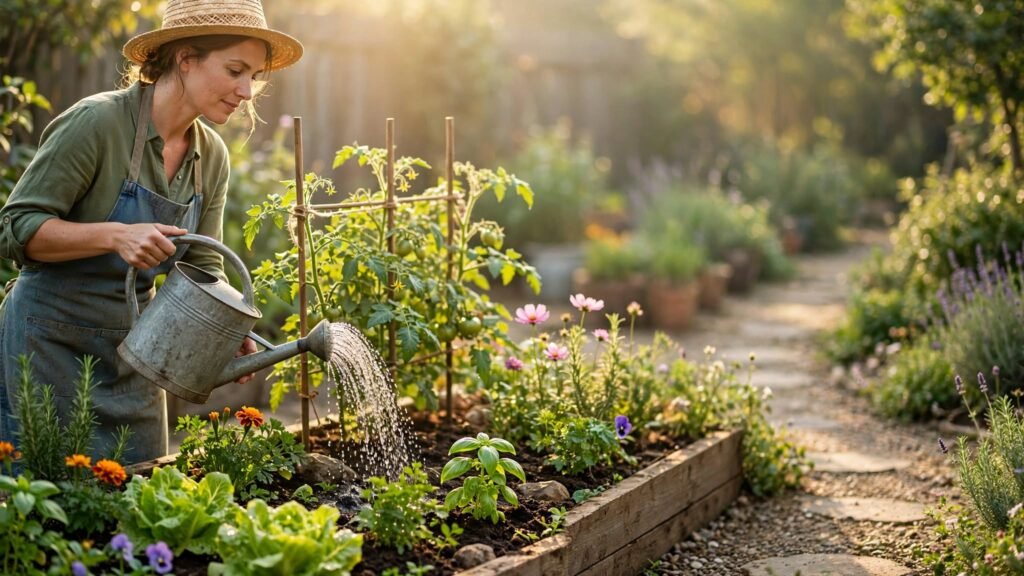
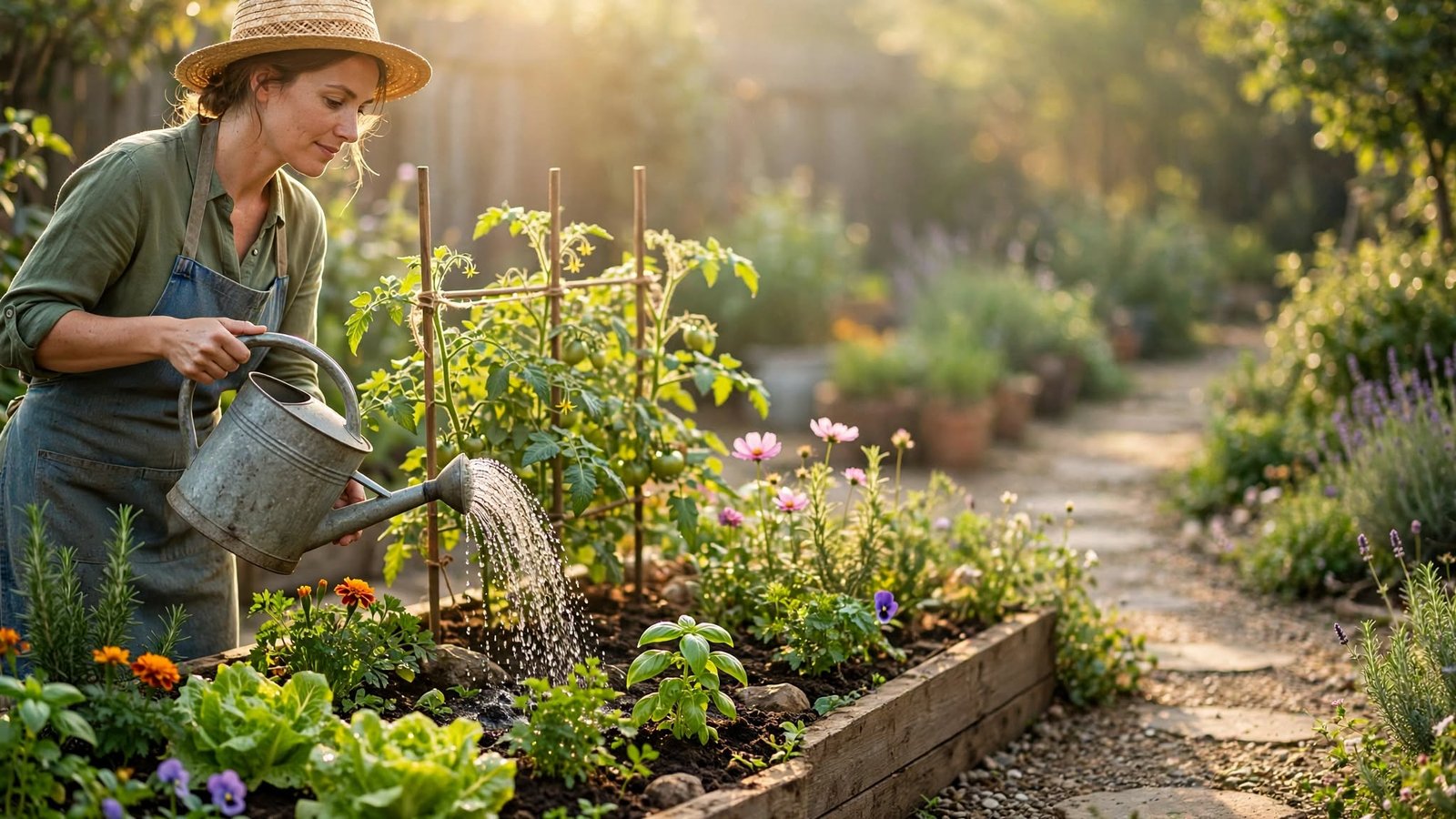
The right tools make watering easier and more consistent. A watering can is useful for small gardens, seedlings, and individual containers. Choose one with a gentle rose attachment to distribute water without disturbing the soil or damaging delicate plants.
A garden hose with an adjustable nozzle works well for larger spaces. Select a gentle spray or shower setting for most garden beds, and direct water toward the soil around the roots. Avoid strong streams that wash away soil or expose roots.
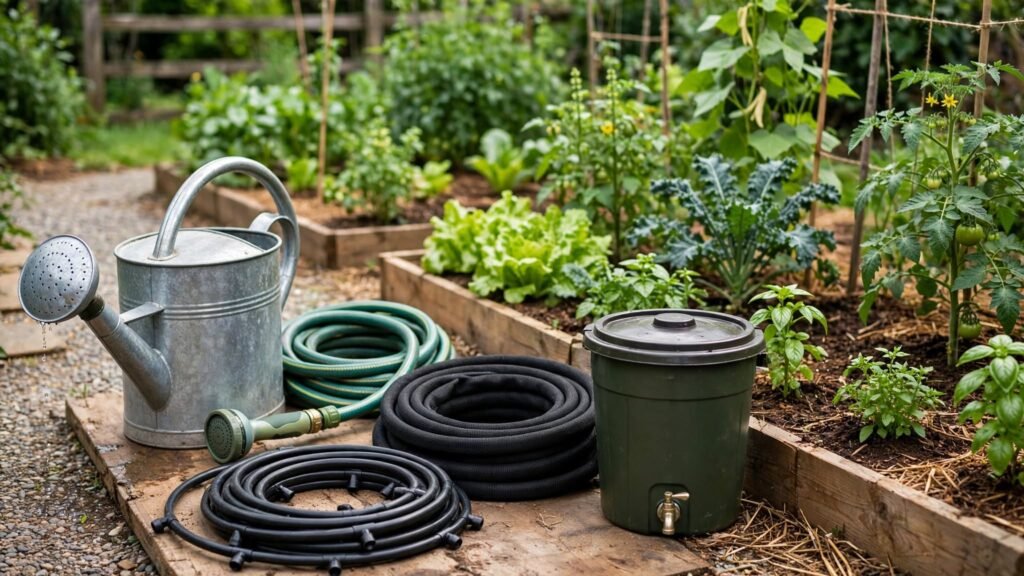
Drip irrigation and soaker hoses are particularly useful for vegetable beds, flower borders, and other planted areas. They deliver water near the root zone, helping reduce evaporation and keeping foliage drier. A timer can make watering more convenient, but it should not replace regular checks of soil moisture and changing weather conditions. Choosing the right equipment makes everyday garden care easier, and our guide to essential gardening tools for beginners explains which basic tools are worth having in your garden.
Rain barrels can collect rainwater for suitable garden uses where local regulations and conditions allow. Use clean collection systems and avoid water that may be contaminated. Whichever tool you choose, the goal is to provide moisture efficiently without creating runoff or waterlogged soil.
10. Create a Simple Garden Watering Schedule
A flexible watering schedule helps you care for your garden without overwatering. Begin by checking the soil regularly and noting how quickly it dries under different weather conditions. Record rainfall, unusually hot days, and the needs of newly planted or container-grown plants.
For example, established outdoor garden beds might begin with a weekly moisture check and watering when rainfall has not provided enough water. During hot weather, check more frequently. Newly planted seeds may need daily or even more frequent moisture checks, while drought-tolerant plants in well-drained soil may require much less frequent watering.

Use a rain gauge to estimate rainfall and adjust irrigation accordingly. Remember that one inch of rainfall does not guarantee every plant has received sufficient moisture, particularly when the soil is compacted, slopes sharply, or drains unevenly.
Review your routine as plants mature and seasons change. A successful schedule is not about watering on the same day every week; it is about supplying the right amount of water when plants need it.
Conclusion
Watering your garden correctly is one of the simplest ways to encourage healthy plants, strong roots, beautiful flowers, and productive vegetables. Although many established gardens need around one inch of water per week, your ideal watering routine depends on soil type, plant variety, rainfall, temperature, and growing conditions. Check the soil before watering, pay attention to changes in the weather, and adjust your routine as your plants grow. Early morning is usually the best time to water because cooler temperatures help reduce evaporation. Water slowly and deeply when appropriate, allowing moisture to reach the root zone without leaving the soil waterlogged. Remember that seedlings and container plants often need more frequent attention than established plants growing in garden beds. By understanding these basic principles, you can avoid common watering mistakes and create a healthier environment for your garden throughout the growing season.
A thriving garden does not require a complicated watering schedule; it requires observation, consistency, and an understanding of what your plants need. Check for dry soil, wilting leaves, poor drainage, and other signs that may indicate a watering problem. Use mulch to conserve moisture, choose suitable watering tools, and consider drip irrigation when you want to make watering more efficient. Rainfall should always be considered before adding more water, and container gardens deserve special attention during hot weather. As you gain experience, you will learn how quickly your soil dries and which plants need more or less moisture. Keep experimenting carefully, make adjustments when conditions change, and avoid treating every plant the same way. With patience and the right watering habits, you can maintain a greener, healthier, and more productive garden while conserving water. Start with your soil today, and let your garden show you what works best.
6 FAQs about watering a garden
Many gardens need more frequent watering during summer because heat and wind dry the soil faster. Check moisture regularly. Established garden beds may need watering several times a week, depending on rainfall, soil, and plant type, while containers may need daily checks.
Early morning is generally best because temperatures are cooler and less water is lost to evaporation. Evening watering can work when necessary, but avoid unnecessarily wetting foliage overnight.
Approximately 1 inch of water per week, including rainfall, is a useful starting point for many established outdoor gardens. Actual needs vary with soil, plant species, temperature, wind, and growth stage.
Common warning signs include persistently soggy soil, yellowing leaves, weak growth, and sometimes root rot. Check soil moisture and drainage before adding more water.
Not necessarily. Established plants often benefit from deeper watering at suitable intervals rather than daily shallow watering. Seeds, seedlings, and container plants may need more frequent moisture checks.
Sometimes. Check how much rain fell and whether the root zone is moist. Light showers may wet only the soil surface, so additional watering may still be necessary.