How Much Sunlight Does a Garden Need?
Why Sunlight Matters for Your Garden
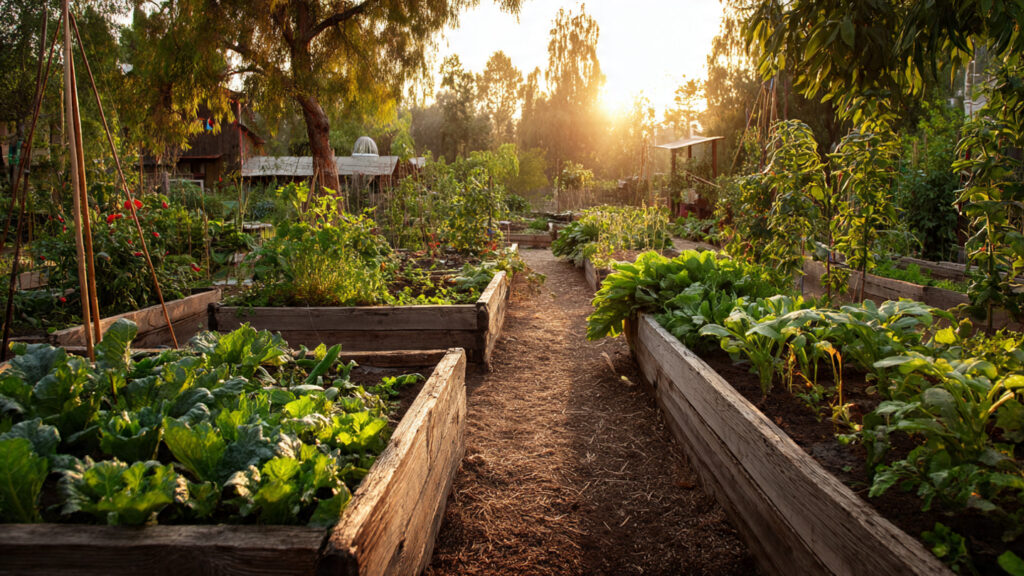
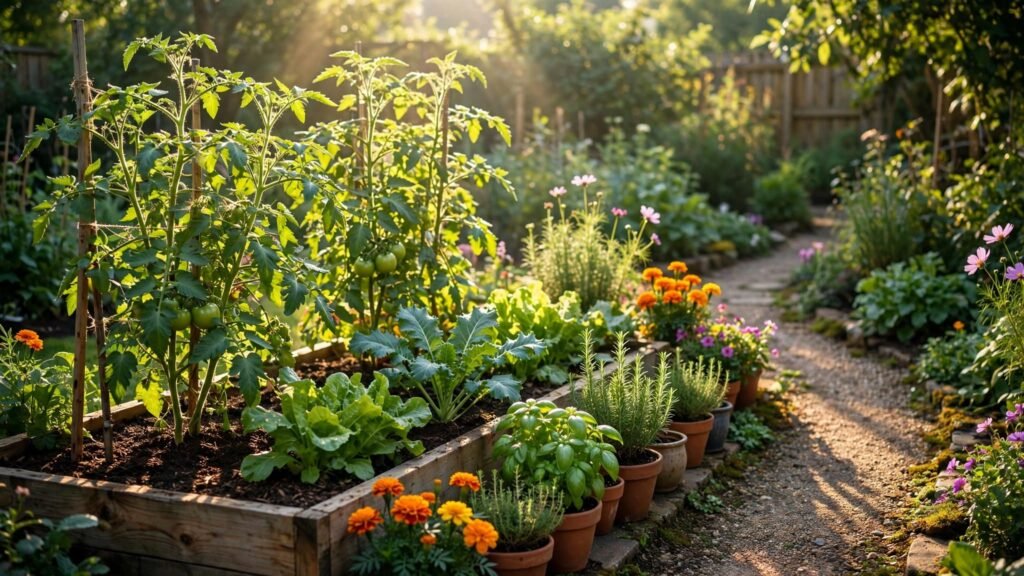
Sunlight is one of the most important factors in a healthy, beautiful garden. Whether you are growing colorful flowers, fresh vegetables, fragrant herbs, or leafy ornamental plants, the amount of sunlight your garden receives can influence how well your plants grow. Sunlight helps plants produce energy through photosynthesis, which supports healthy leaves, strong roots, flowers, and fruit. However, not every plant needs the same amount of light. Some vegetables grow best in full sun, while leafy greens and certain ornamental plants can thrive in partial shade. Understanding your garden’s sunlight conditions before planting can help you choose suitable plants, avoid common gardening mistakes, and make better use of your outdoor space. In this guide, you will learn how many hours of sunlight different plants need, how to measure sunlight in your garden, and how to grow healthy plants in sunny, partly shaded, or shady locations. Before choosing plants for your outdoor space, learn how to start a garden from scratch and prepare the right location for healthy plant growth.
1. How Many Hours of Sunlight Does a Garden Need?
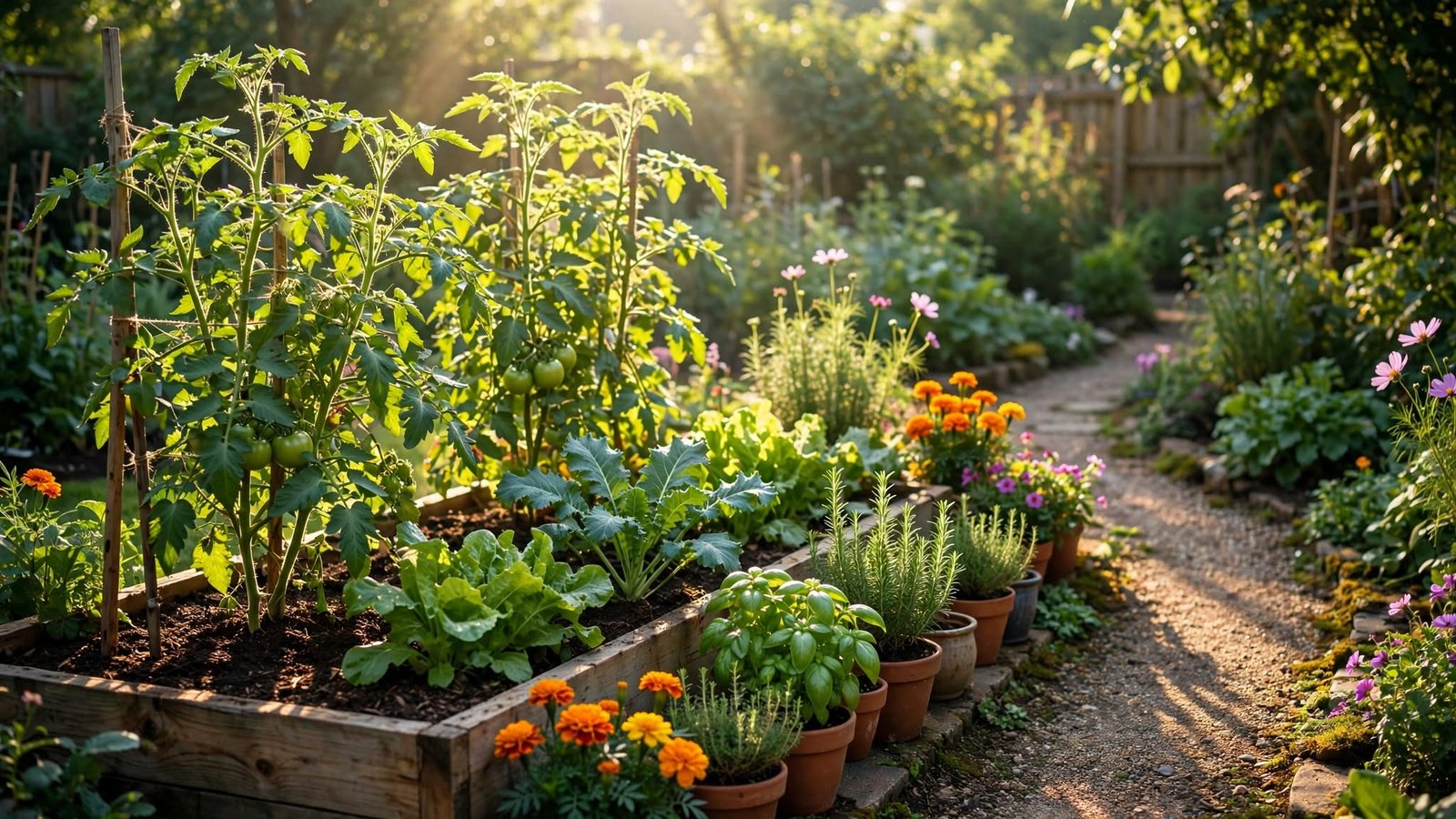
Most gardens benefit from several hours of direct sunlight each day, but the ideal amount depends on what you want to grow. A vegetable garden filled with tomatoes, peppers, cucumbers, and squash generally needs more sunlight than a garden devoted to ferns, hostas, or other shade-loving plants. Before choosing plants, understand the difference between direct sunlight, partial sunlight, and indirect light. Direct sunlight reaches plants without being blocked by trees, walls, or other structures. Indirect light is reflected or filtered light that reaches a space without strong direct sun. Both can support plant growth, but their effectiveness varies by plant species.
As a general rule, fruiting vegetables and many flowering plants need at least six hours of direct sunlight daily. Leafy vegetables often tolerate fewer hours, while shade-adapted plants can grow successfully with limited direct sunlight. These are useful guidelines rather than strict rules because climate, temperature, season, and plant variety also affect growth.

2. Understanding Full Sun, Partial Sun, Partial Shade, and Full Shade
Gardeners often see sunlight labels on seed packets, plant tags, and gardening websites. These labels help you match plants to the conditions in your garden. Although definitions can vary slightly by plant and climate, the following categories are useful starting points. If you’re new to gardening and want to learn more about planting, watering, soil preparation, and plant care, explore our Complete Gardening Guide for Beginners.
Full Sun
Full-sun plants generally need at least six hours of direct sunlight daily, and many perform best with eight or more hours. Tomatoes, peppers, eggplants, sunflowers, and many roses are examples of plants that typically prefer sunny conditions. Adequate light encourages strong growth, flowering, and fruit production. In extremely hot climates, however, intense afternoon sun can cause heat stress even in plants that normally prefer full sun.
Partial Sun
Partial-sun plants generally benefit from approximately four to six hours of direct sunlight daily. They may need several hours of sunshine to flower or produce well, but can also appreciate protection during the hottest part of the day. Some herbs, flowering plants, and vegetables can grow successfully in these conditions.
Partial Shade
Partial shade usually means around two to four hours of direct sunlight, or a location that receives filtered light for much of the day. Lettuce, spinach, and some leafy herbs can be suitable choices, particularly where afternoon temperatures are high. Growth may be slower than in a sunnier location, but shade can reduce heat stress and delay bolting in certain leafy vegetables.
Full Shade
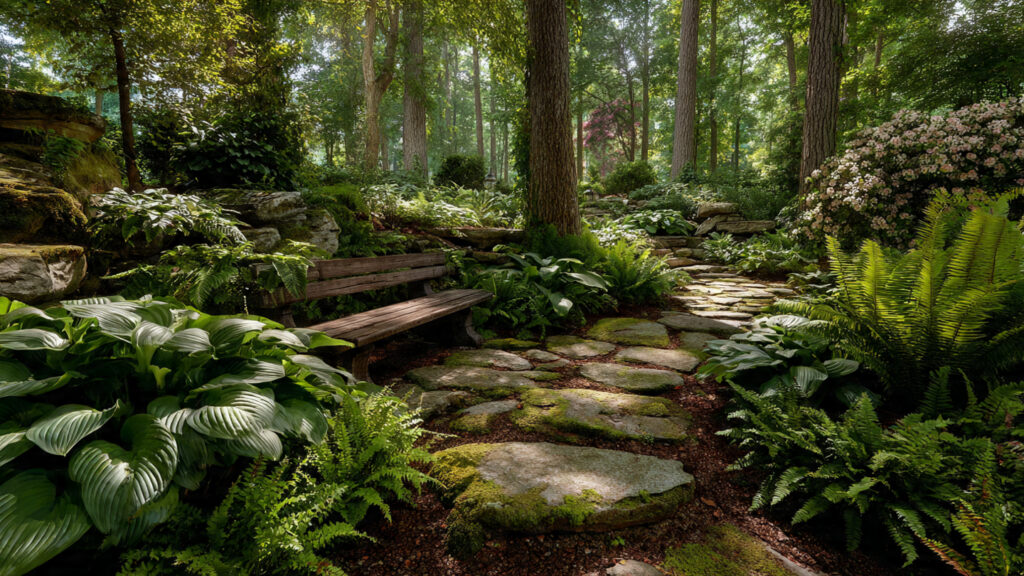
Full shade generally describes a spot receiving less than two hours of direct sunlight daily, often with bright indirect light or dappled shade. Many ferns and other shade-adapted ornamentals can thrive in these conditions. Full shade does not necessarily mean complete darkness; plants still need sufficient usable light to grow.

3. How Much Sunlight Do Vegetables Need?
Vegetables have different light requirements, so choosing the right location can make a noticeable difference in your harvest. Fruiting vegetables usually need more direct sunlight than leafy crops because flowering and fruit development require substantial energy. Root vegetables and leafy greens can often tolerate moderate sunlight, although their growth and yield still depend on the variety and growing conditions.
Tomatoes, peppers, eggplants, cucumbers, squash, and pumpkins generally perform best with six to eight or more hours of direct sunlight. Beans also appreciate sunny conditions, while carrots, radishes, and beets can often grow with around four to six hours, depending on the variety and climate. Lettuce, spinach, arugula, and other leafy greens may grow with approximately three to five hours of sunlight or bright filtered light, particularly during warm weather. Keeping your garden organized is easier with the right equipment, so check out our guide to essential gardening tools for beginners before starting your gardening journey.
If your garden receives limited sunlight, concentrate on crops suited to the available conditions rather than forcing sun-loving vegetables to grow in deep shade. You can also grow leafy greens in containers and move them to locations with better light as the seasons change.

4. How Much Sunlight Do Flowers Need?
The sunlight requirements of flowering plants depend on their species. Some flowers produce abundant blooms in full sun, while others prefer protection from intense afternoon heat. Matching flowers to their preferred light conditions helps maintain healthy foliage, stronger stems, and longer-lasting blooms.
Sun-loving flowers such as sunflowers, zinnias, marigolds, and many varieties of petunias generally perform well with six or more hours of direct sunlight. Roses also commonly benefit from sunny locations with good airflow. In contrast, impatiens, begonias, and many woodland flowers can be suitable for partial shade, depending on the variety. Hydrangeas vary considerably, so check the requirements of the specific type you intend to grow.
When flowers receive too little light, they may develop long, weak stems, produce fewer blooms, or lean toward the brightest area. Too much intense heat can cause wilting, faded petals, or leaf scorch in plants that prefer cooler conditions. Observe your flowers throughout the day and adjust watering, positioning, or plant selection as necessary.

5. How Much Sunlight Do Herbs Need?
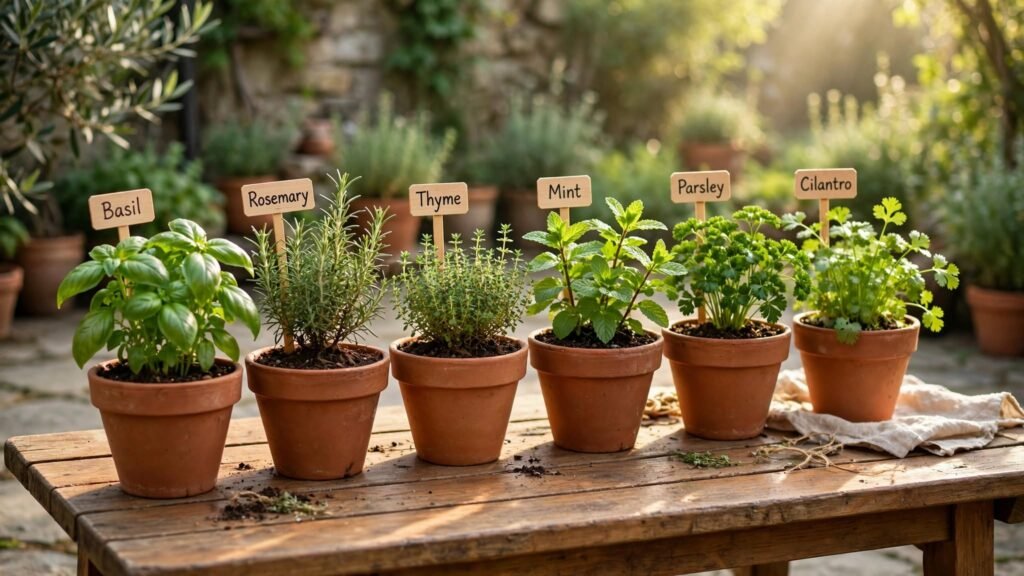
Herbs are excellent choices for beginners because many grow well in containers, raised beds, or small spaces near a kitchen. However, their sunlight requirements differ. Mediterranean herbs such as rosemary, thyme, oregano, and sage generally prefer at least six hours of direct sunlight daily. Adequate sunshine supports compact growth and helps these herbs develop their characteristic aromas.
Basil usually grows best with approximately six to eight hours of sunlight, provided it receives sufficient water and protection from extreme heat. Parsley, cilantro, mint, and chives can tolerate some partial shade, particularly in warm climates. Cilantro and parsley may benefit from afternoon shade when temperatures rise, while mint often grows vigorously in partial shade as long as moisture is adequate.
If you grow herbs in pots, place them where they receive their preferred amount of sunlight. Containers make it easier to adjust their positions throughout the season. Remember that mint can spread aggressively, so growing it in a separate pot is often more practical than planting it directly in a garden bed.
6. Morning Sun vs. Afternoon Sun: Which Is Better?
Not all sunlight has the same effect on plants. Morning sunlight is generally cooler and gentler, while afternoon sunlight can be much more intense, especially during summer. This distinction matters when gardening in regions with hot summers or frequent heat waves.
Morning sun is particularly useful for plants that benefit from direct light but struggle with excessive heat. It also helps dry moisture from leaves after overnight dew, potentially reducing conditions favorable to some fungal diseases. However, adequate airflow and proper watering remain important.
Afternoon sun can be valuable for fruiting vegetables such as tomatoes and peppers, which need plenty of light to grow and produce crops. Yet extreme afternoon heat can cause stress, even when a plant technically requires full sun. Signs of heat stress include drooping leaves, scorched edges, and flowers dropping before fruit develops.
For a hot-climate garden, try placing heat-sensitive leafy greens where they receive morning sunshine and afternoon shade. Reserve the brightest areas for crops that benefit from longer exposure, while monitoring plants during particularly hot weather.

7. How to Measure Sunlight in Your Garden
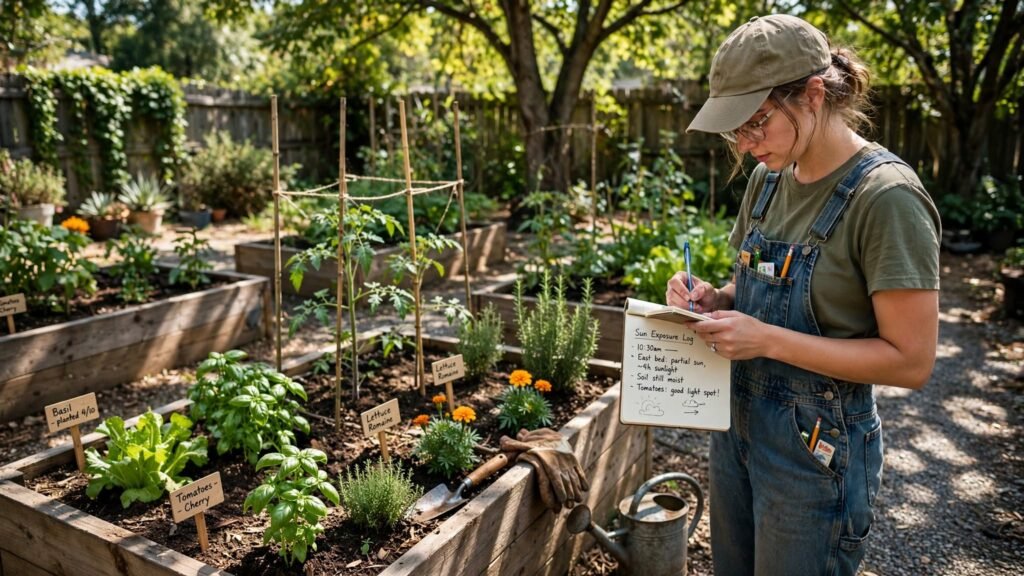
Before planting, spend a day observing how sunlight moves across your garden. A location that looks sunny in the morning may become shaded when a nearby building, fence, or tree blocks the afternoon light. Measuring the actual exposure helps you select suitable plants and avoid disappointing results.
Start early in the morning and check your garden every hour or two until sunset. Record which areas receive direct sunlight and when shade begins. Repeat your observations during another clear day if possible. You can sketch a simple garden map and label sunny, partly shaded, and mostly shaded sections.
Pay attention to seasonal changes, too. The sun’s angle changes throughout the year, and deciduous trees may provide shade in summer but allow more sunlight through in winter. If you are growing vegetables, assess conditions during the season when you plan to grow them.
A simple notebook is sufficient for most gardens. You can also use a sunlight-tracking app as a supplementary guide, but confirm its estimates by observing the actual conditions on your property.
8. Can You Grow a Garden With Limited Sunlight?
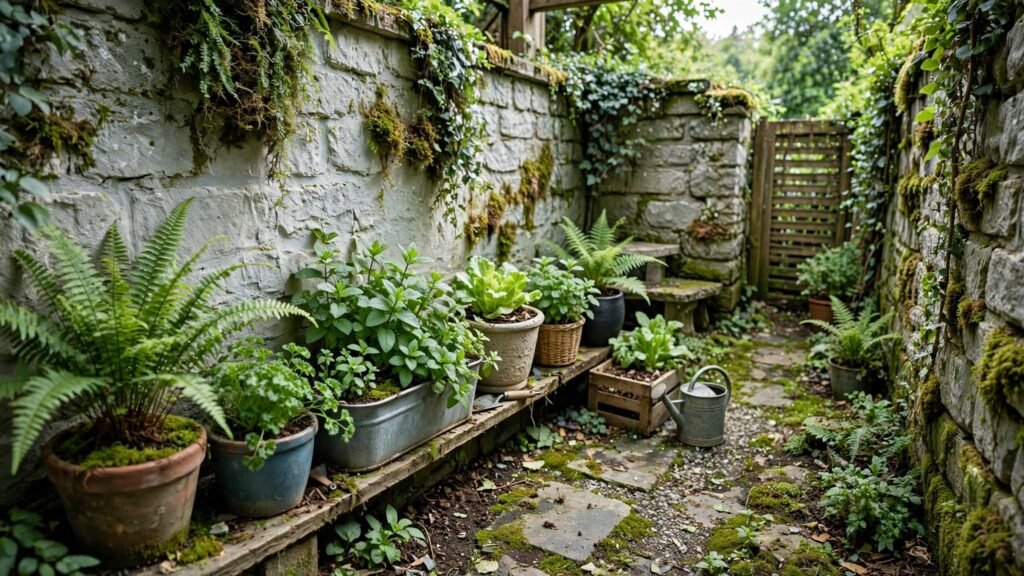
Yes! A garden does not need all-day sunshine to be productive or attractive. The key is to work with the light available rather than choosing plants that need conditions your space cannot provide. Even a small courtyard, shaded backyard, or balcony can support a rewarding selection of plants.
For partly shaded areas, consider lettuce, spinach, arugula, parsley, mint, and shade-tolerant ornamental plants. Their performance will depend on how bright the location is, the season, and the variety you choose. For deeper shade, prioritize plants adapted to low-light outdoor environments, such as many ferns and certain foliage plants.
Containers are especially helpful because they can be moved to brighter positions when necessary. You can also prune overgrown branches when appropriate, provided doing so will not damage the tree or violate local restrictions. Reflective surfaces may improve ambient light slightly, but they cannot fully replace direct sunshine for crops that need it.
If your garden receives very little natural light, indoor grow lights may help with suitable crops and seedlings. Choose lights designed for plant growth and follow the manufacturer’s guidance on distance and daily duration.
9. Signs Your Garden Is Getting Too Little or Too Much Sun
Your plants often show visible signs when their light conditions are unsuitable. Learning to recognize these clues can help you make small adjustments before growth suffers.
Signs of insufficient sunlight include pale or yellowing leaves, weak elongated stems, slow growth, fewer flowers, and poor fruit production. Some plants lean toward a nearby window or brighter patch of garden. These symptoms can also result from nutrient deficiencies, overwatering, pests, or other problems, so assess the whole plant rather than assuming light is the only cause.
Signs of excessive sun or heat stress may include bleached patches, crispy leaf edges, scorched foliage, drooping leaves during the hottest part of the day, and dry soil. Some plants temporarily wilt during intense heat even when their soil is moist enough. Check soil moisture before watering, because overwatering can create additional problems.
To improve conditions, move portable containers, use suitable shade cloth during heat waves, or choose a plant better adapted to the location. Avoid making sudden, drastic changes when plants are already stressed. Gradual adjustments allow many plants to adapt more comfortably.

10. Practical Tips for Planning Your Garden Around Sunlight
Good garden planning begins with observing your space and selecting plants that match its natural conditions. Start by identifying the sunniest areas and reserving them for vegetables, herbs, and flowers that need longer exposure. Use partly shaded areas for crops and ornamentals that tolerate less direct light.
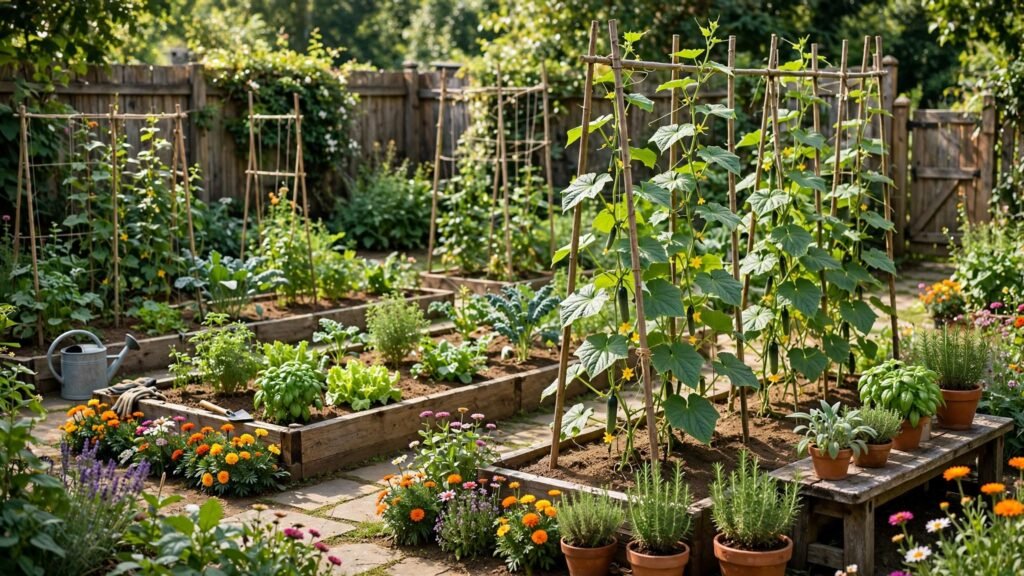
Arrange taller plants carefully so they do not block sunlight from smaller plants. Trellises can support climbing vegetables while allowing you to make better use of vertical space, but their placement should account for the shadows they cast. In very hot weather, temporary shade cloth can protect vulnerable plants without permanently reducing the available light.
Check seed packets and plant labels for specific light requirements because varieties within the same species can differ. Consider your local climate, soil drainage, watering needs, and seasonal weather when choosing planting locations. Keep a simple record of plant performance throughout the season so you can improve your layout next year.
Most importantly, observe your garden regularly. A few minutes spent checking light, soil moisture, and plant health can help you solve small problems early and build a garden that becomes healthier with each growing season.
Conclusion
Understanding how much sunlight a garden needs is one of the simplest ways to improve your gardening results. Most fruiting vegetables and many flowering plants thrive with six or more hours of direct sunlight, while leafy greens, herbs, and shade-loving ornamentals can often grow successfully with less. The right amount depends on plant variety, climate, season, and local growing conditions. Before planting, observe your garden throughout the day and identify the areas that receive full sun, partial sun, or shade. Then choose plants that naturally suit those conditions. This simple step can help prevent weak growth, limited flowering, and disappointing harvests. Remember that sunlight is only one part of successful gardening; suitable soil, proper watering, and good airflow also matter. With thoughtful planning and regular observation, you can create a healthy, productive garden that makes the best use of your available space. For more practical advice on growing healthy plants and avoiding common gardening problems, explore our essential gardening tips for beginners.
A successful garden does not have to receive sunshine from morning until evening. Even a small balcony, partly shaded yard, or courtyard can become a beautiful growing space when you select suitable plants. Try growing tomatoes, peppers, and sunflowers in brighter areas, while reserving gentler light for lettuce, parsley, mint, ferns, and other shade-tolerant choices. If your garden receives changing sunlight, use movable containers and observe how plants respond before making adjustments. Keep notes about flowering, leaf color, and growth so you can refine your planting plan over time. Every garden is different, and learning its natural patterns is part of the enjoyment of gardening. Start with the light you have, choose plants carefully, and make gradual improvements each season. With patience and consistent care, your garden can flourish and reward you with healthy foliage, colorful flowers, and fresh homegrown produce.
Frequently Asked Questions (FAQ’s)
Most vegetable and flower gardens benefit from six to eight hours of direct sunlight, although the ideal amount depends on the plants you grow. Leafy greens and shade-loving plants can thrive with less.
Yes, six hours is sufficient for many vegetables, including several leafy greens and some root crops. Fruiting vegetables such as tomatoes and peppers often perform better with eight or more hours of direct sunlight.
Yes. Lettuce, spinach, arugula, and some herbs can grow in partial shade. However, vegetables grown for their fruits usually need more direct sunlight to produce a good harvest.
Morning sun is generally gentler and can suit heat-sensitive plants. Afternoon sun provides useful light for many sun-loving crops but may cause heat stress in hot climates.
Observe your garden throughout the day and record when each area receives direct sunlight. Also watch your plants for weak growth, limited flowering, or scorched leaves, while considering watering and soil conditions.
Excessive sunlight combined with high temperatures can cause wilting, scorched leaves, faded foliage, and reduced growth. Move sensitive containers to partial shade or use suitable shade cloth during extreme heat.