
Complete Gardening Guide for Beginners
Starting a garden can feel overwhelming when you are surrounded by seed packets, tools, soil choices, plant labels, and conflicting advice. The good news is that gardening becomes much easier when you learn the basics in the right order. A successful garden does not begin with expensive equipment or a perfect landscape; it begins with understanding your space, choosing suitable plants, preparing healthy soil, and creating a simple routine. Whether you have a backyard, patio, balcony, or sunny windowsill, you can grow something rewarding. This complete gardening guide for beginners brings the essential steps together in one practical resource. You will learn how to choose a location, prepare soil, select plants, sow seeds, water correctly, feed plants, manage weeds and pests, and keep your garden healthy through the seasons. With patience and observation, even a first-time gardener can create a beautiful, productive growing space and your local climate.
Why Gardening Is Worth Learning
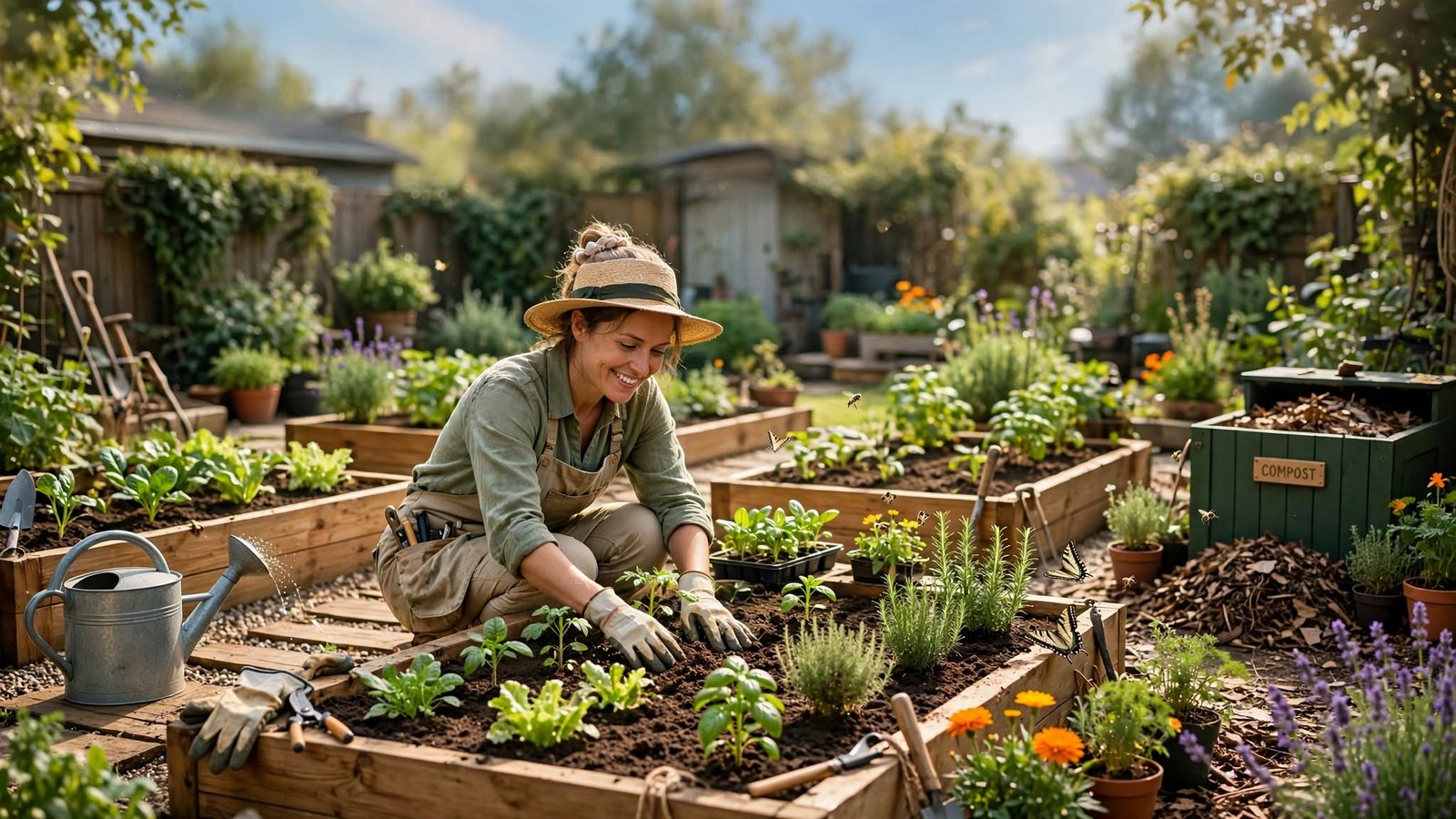
Gardening is much more than putting plants into the ground and watering them. It is a practical hobby that connects you with nature while giving you an opportunity to create something beautiful and useful. A garden can provide colorful flowers, fresh herbs, vegetables, attractive foliage, pollinator habitat, shade, privacy, and a relaxing place to spend time outdoors. Even a small collection of containers can make a balcony or patio feel greener and more inviting.
For beginners, gardening also teaches patience and observation. Plants develop at their own pace, and successful gardening requires you to notice changes in leaves, soil moisture, sunlight, growth, flowering, and weather. These observations gradually help you understand what different plants need. If you are completely new to gardening, begin with our What Is Gardening? guide to understand the fundamentals before planning your first growing space.
1. Choose the Right Gardening Space
Before buying plants or seeds, study the space where you want to garden. The location will influence almost every decision you make later. Walk around the area at different times of the day and notice how much direct sunlight it receives. Some plants need six or more hours of sunlight, while others prefer partial shade or filtered light.
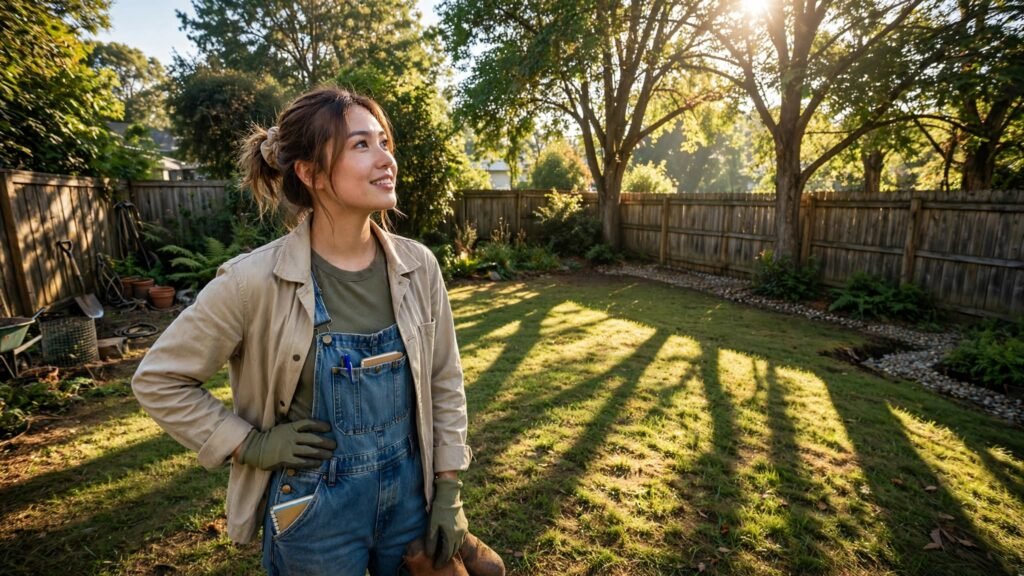
Also look at drainage, wind exposure, nearby trees, walls, fences, water availability, and accessibility. A beautiful garden that is difficult to reach or water will quickly become frustrating. If you are gardening in containers, consider the amount of space available and whether the surface can safely support pots.
Start with the conditions you already have rather than trying to force unsuitable plants into an unsuitable location. A shady garden can become a wonderful shade garden, while a sunny backyard can support vegetables, herbs, flowering plants, and many landscape species.
2. Understand Sunlight Before Planting
Sunlight is one of the most important factors in plant growth. Before selecting plants, determine whether your garden receives full sun, partial sun, partial shade, or mostly shade. Remember that sunlight can change during the year as the sun moves across the sky and nearby trees develop leaves.
Vegetables such as tomatoes, peppers, cucumbers, and many herbs generally perform best with plenty of sunlight. Other plants, particularly woodland flowers and shade-tolerant foliage plants, can grow well with less direct light. Choosing plants according to the light available in your garden is usually much easier than trying to change the environment.
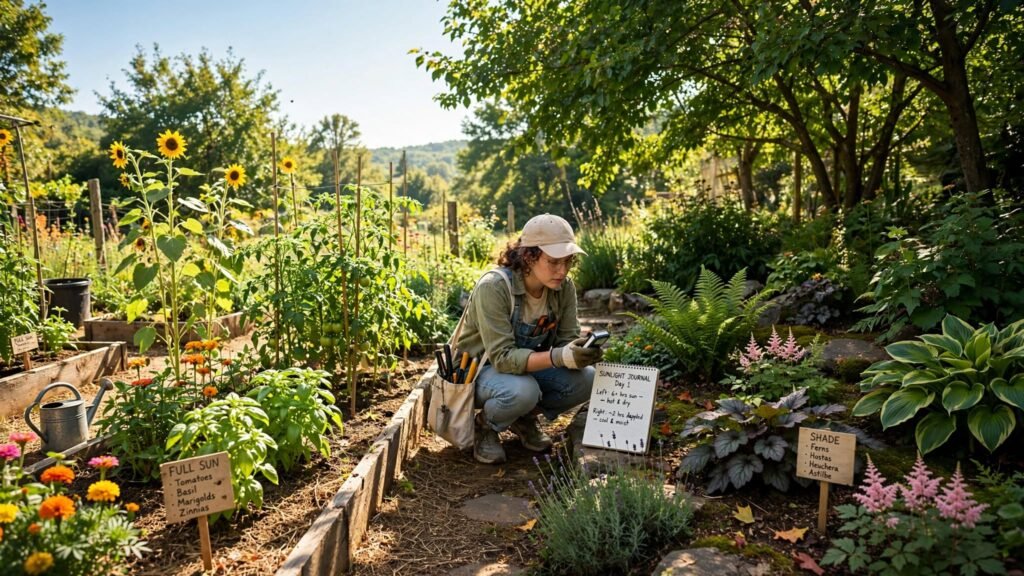
Keep in mind that a location receiving morning sunlight may behave differently from one receiving strong afternoon sunlight. Buildings and walls can also create hot or dry microclimates. Spend a few days observing your garden before making major planting decisions.
3. Learn About Your Soil
Soil is the foundation of almost every successful garden. It anchors roots, stores moisture, provides nutrients, and supports the biological activity plants need. Before planting, examine the soil’s texture, drainage, color, and structure.
Healthy garden soil is generally loose enough for roots to grow, holds adequate moisture without staying waterlogged, and contains organic matter. Very compacted soil can restrict roots and drainage, while extremely sandy soil may lose water and nutrients quickly. Clay-heavy soil can hold moisture well but may become dense when wet.
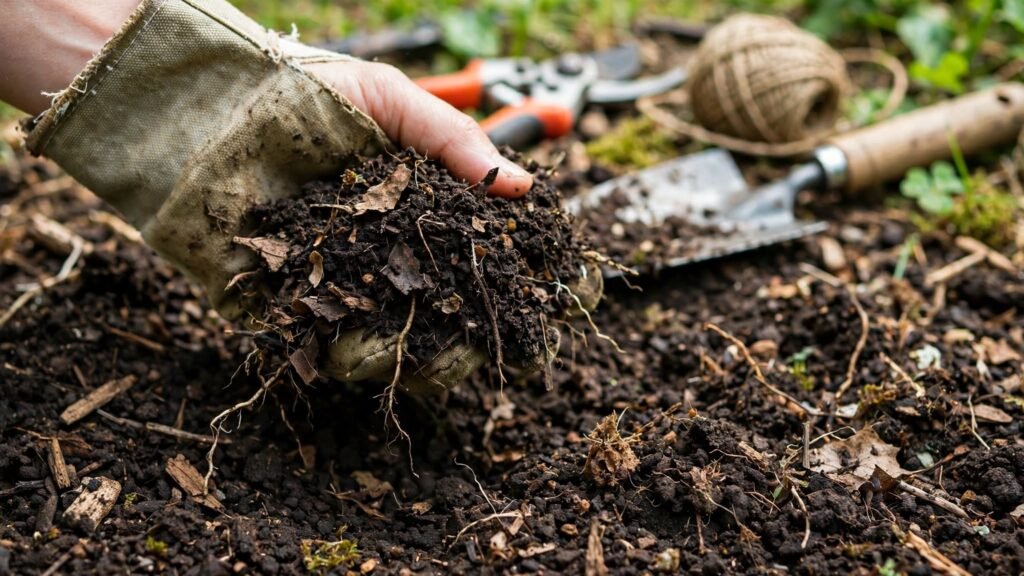
A simple first step is to dig a small section and observe the soil. You can also have your soil tested to learn its pH and nutrient levels. Avoid adding large amounts of fertilizer or amendments without understanding what the soil needs. Compost and other organic matter can often improve soil structure and support healthy biological activity.
For a deeper foundation article, connect this section to What Is Soil? and use it as a supporting cluster page.
4. Prepare the Garden Bed
Once you understand your location and soil, prepare the growing area. Remove large stones, unwanted debris, and existing weeds carefully. Avoid unnecessarily disturbing the soil because excessive digging can damage soil structure and beneficial organisms. Adding mature compost can improve many garden beds by increasing organic matter and supporting soil life. Spread a suitable layer over the surface and incorporate it according to the needs of the site rather than automatically digging deeply.
Having the right tools can make your first gardening experience much easier and more enjoyable. You don’t need to buy everything at once; starting with a few reliable tools can help you handle basic tasks such as planting, watering, pruning, digging, and weeding. For a complete breakdown of what you actually need, check out our guide to Essential Gardening Tools for Beginners, where we explain the most useful tools and how each one can help you maintain a healthy garden.
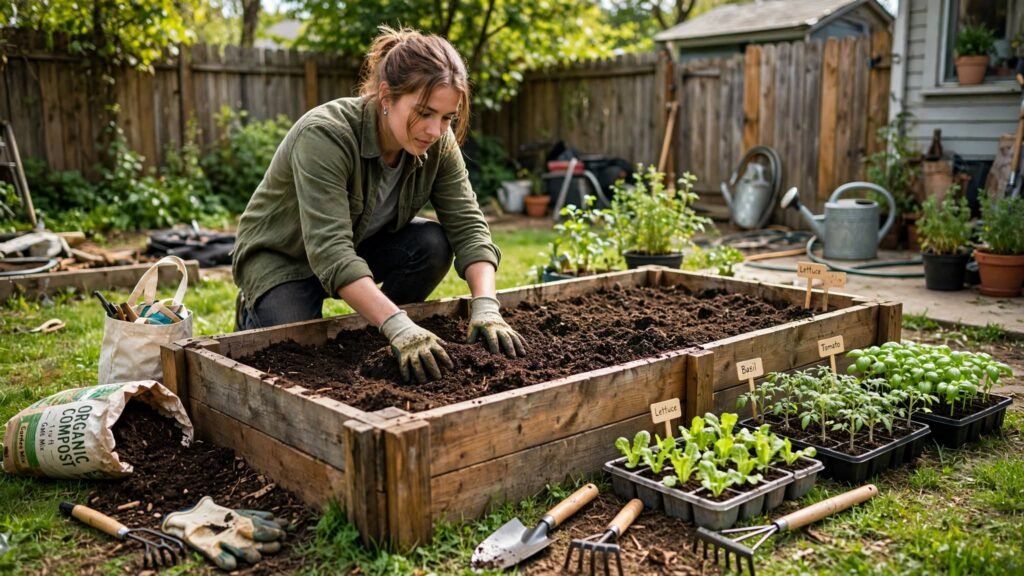
Raised beds are another useful option for beginners. They can provide better control over soil quality and drainage and may make gardening easier on your back. However, raised beds are not essential. A simple in-ground garden can be highly productive when the soil and location are suitable. Keep your first garden manageable. A small, well-maintained bed is usually more rewarding than a large area that quickly becomes difficult to maintain.
5. Decide What You Want to Grow
Choosing plants is one of the most enjoyable parts of gardening, but beginners can easily become tempted by too many varieties. Instead, select plants based on your available space, sunlight, climate, soil, and the amount of time you can provide for care. Think about your purpose. Do you want fresh vegetables? Fragrant herbs? Colorful flowers? A low-maintenance landscape? A pollinator-friendly garden? A relaxing green space? Your goal will influence the plants you choose.
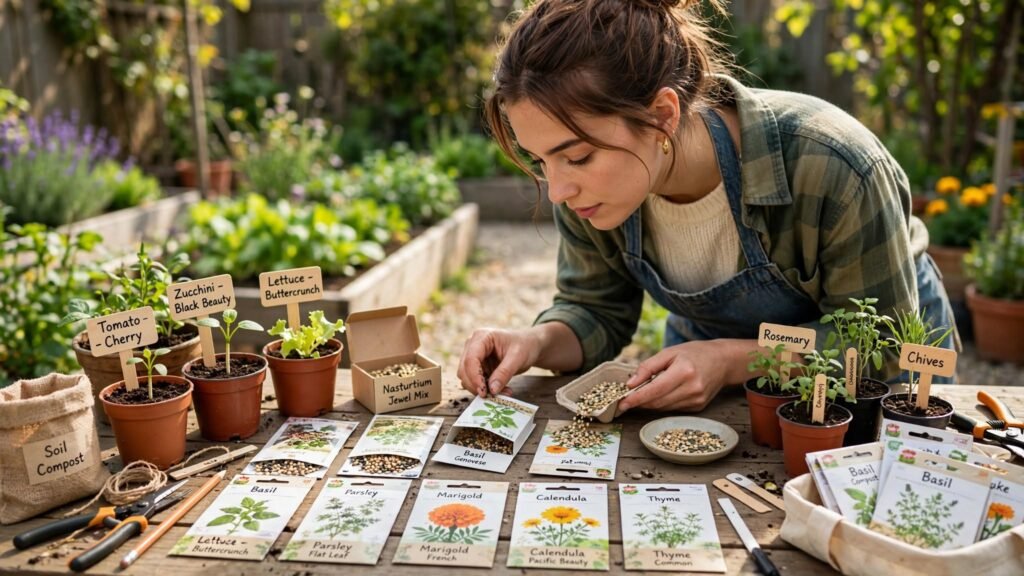
Start with a small group of plants that are known to perform well in your local growing conditions. Consider their mature size, watering needs, flowering period, growth habit, and susceptibility to common pests or diseases. A balanced beginner garden might include a few easy vegetables, several herbs, and flowering plants that attract beneficial insects. Once you understand these plants, gradually introduce more challenging varieties.
6. Seeds or Young Plants: Which Is Better?
Beginners often wonder whether they should grow plants from seeds or buy young transplants. Both methods have advantages. Seeds are usually economical and offer a wide range of varieties. Starting seeds also teaches you about germination, seedlings, moisture, light, and transplanting. However, seeds require patience and careful attention during their early stages.
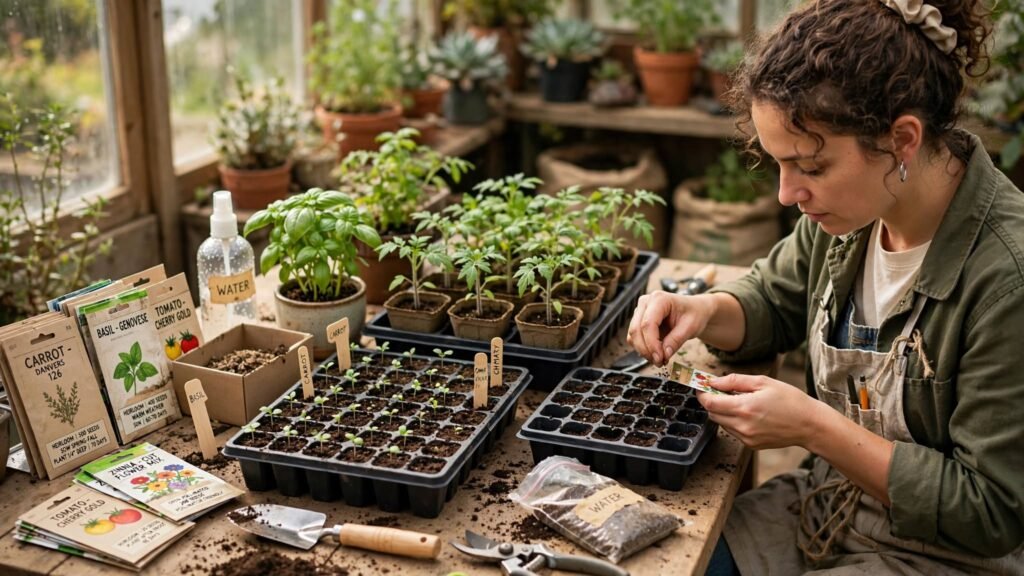
Young plants provide a faster and often easier beginning. They are particularly helpful for plants that take a long time to mature or for gardeners starting later in the growing season. Read the instructions on seed packets carefully. Planting depth, spacing, temperature, and germination time can vary considerably. Avoid burying seeds too deeply simply because they are small; many seeds need to be planted very shallowly.
Whether you start from seed or transplant, handle young plants gently and give them time to adjust.
7. Learn Proper Plant Spacing
Giving plants enough room is essential for healthy growth. Beginners sometimes plant seedlings close together because the garden looks empty at first. However, plants grow considerably larger than they appear when young. Proper spacing allows leaves to receive sufficient light and air circulation around the plants. It can also reduce competition for water and nutrients and help lower the risk of some disease problems.
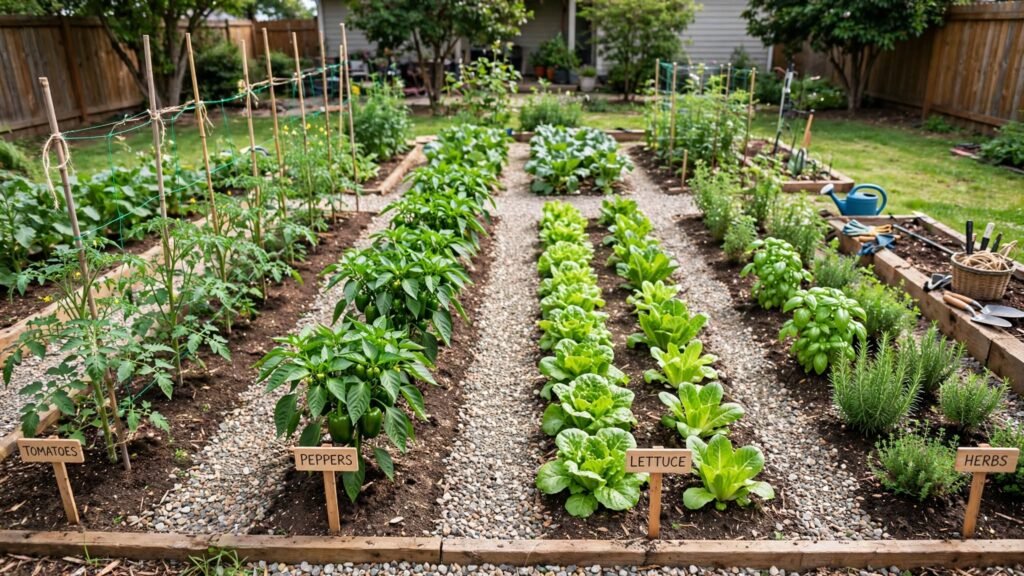
Always consider the mature size of a plant rather than its size when purchased. Read the recommended spacing on seed packets and plant labels. Large vegetables, shrubs, and perennials may need considerably more space than you initially expect. Good spacing also makes maintenance easier. You should be able to reach plants for watering, pruning, harvesting, weeding, and inspection without stepping into the growing area.
8. Water Your Garden Correctly
Watering sounds simple, but improper watering is one of the most common beginner gardening problems. Some gardeners water too frequently, while others wait until plants are severely dry. The right watering schedule depends on plant type, soil, weather, container size, temperature, and rainfall. Instead of following a rigid daily schedule, check the soil and plants. Water when the plants actually need moisture.
When watering garden beds, aim to moisten the root zone rather than lightly sprinkling the surface. Watering deeply and appropriately encourages roots to grow through the available soil. Containers may need more frequent attention because they have limited soil volume and can dry quickly.
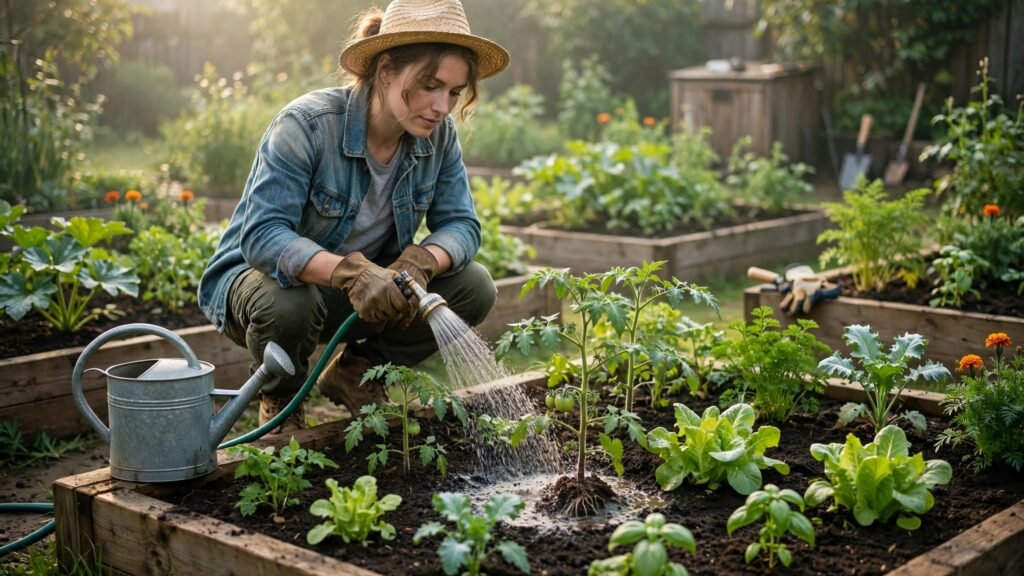
Watering early in the day is often practical because plants have time to use moisture before the hottest part of the day. Avoid constantly keeping soil saturated unless a particular plant requires wet conditions.
9. Feed Plants the Right Way
Plants need nutrients for healthy growth, flowering, fruit production, and overall development. However, more fertilizer does not automatically mean healthier plants. Start by improving the soil with organic matter and understanding what your plants require. If a soil test identifies a nutrient deficiency, choose an appropriate fertilizer or amendment based on the results.
Different plants have different nutrient requirements. Leafy vegetables may have different needs from flowering plants or fruiting vegetables. Container plants can also require more frequent feeding because regular watering can move nutrients out of the limited growing medium.
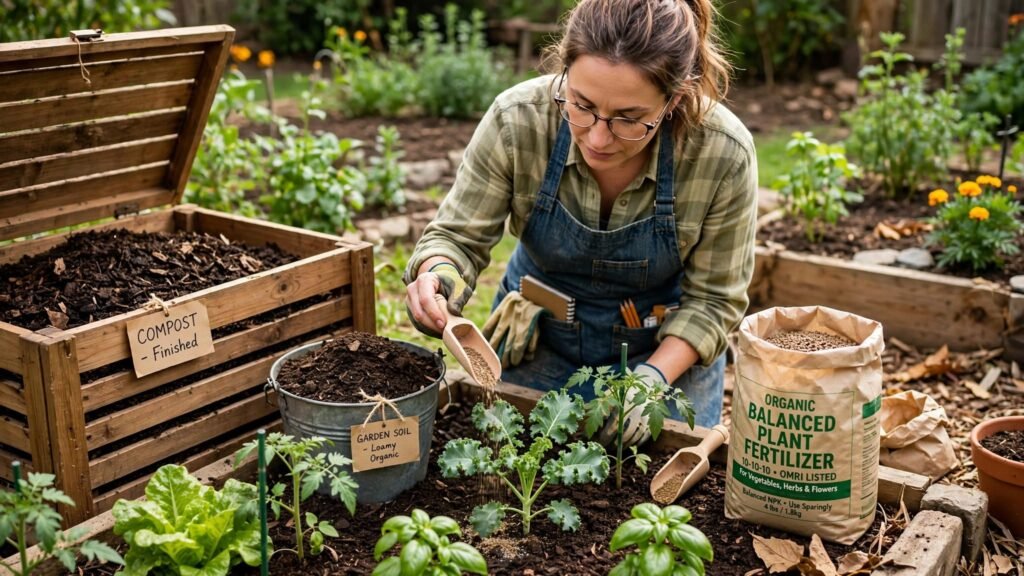
Always follow the directions on fertilizer packaging and avoid excessive application. Too much fertilizer can damage roots, encourage weak growth, or contribute to environmental problems. Organic options such as mature compost can be valuable components of a balanced garden-care approach.
10. Understand Mulching
Mulch is a useful layer of material placed around plants and over soil. Organic mulches can include shredded leaves, straw, wood chips, or other suitable materials. Mulching can help conserve soil moisture, reduce weed emergence, moderate soil temperature, and gradually add organic matter when appropriate materials break down. It also gives garden beds a clean and finished appearance.
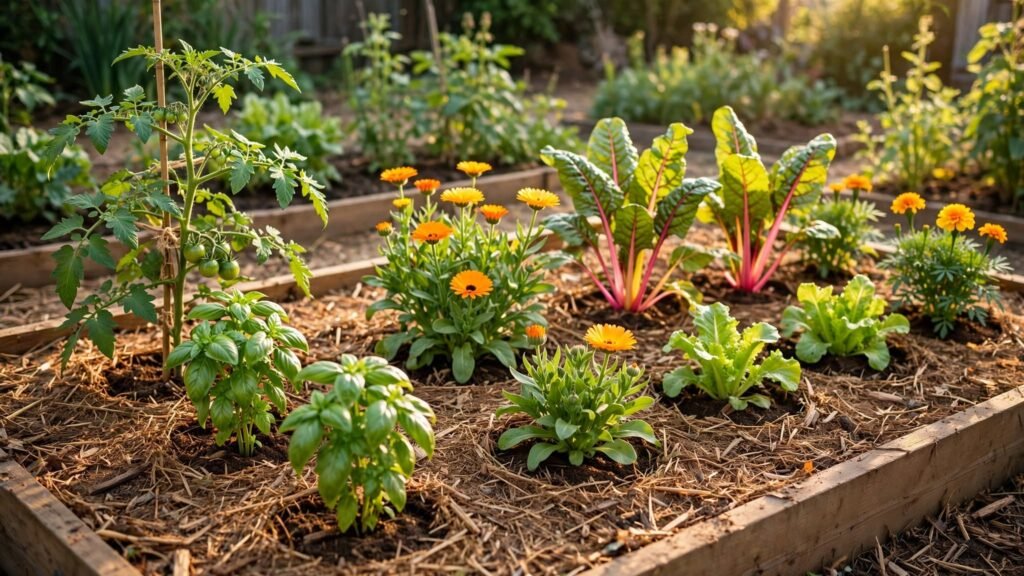
Avoid piling mulch directly against plant stems or tree trunks. A small gap helps reduce moisture-related problems around stems. Apply an appropriate depth rather than creating an excessively thick layer. Mulch should complement good soil preparation and watering practices rather than replace them. Choose a material that suits your plants and the appearance of your garden.
11. Control Weeds Without Losing Control of Your Garden
Weeds compete with garden plants for sunlight, water, nutrients, and space. The easiest way to manage them is to avoid allowing them to become established and produce large quantities of seed. Inspect garden beds regularly and remove young weeds while they are small. Hand weeding is often practical in small gardens. Mulching can also reduce weed emergence by covering exposed soil.
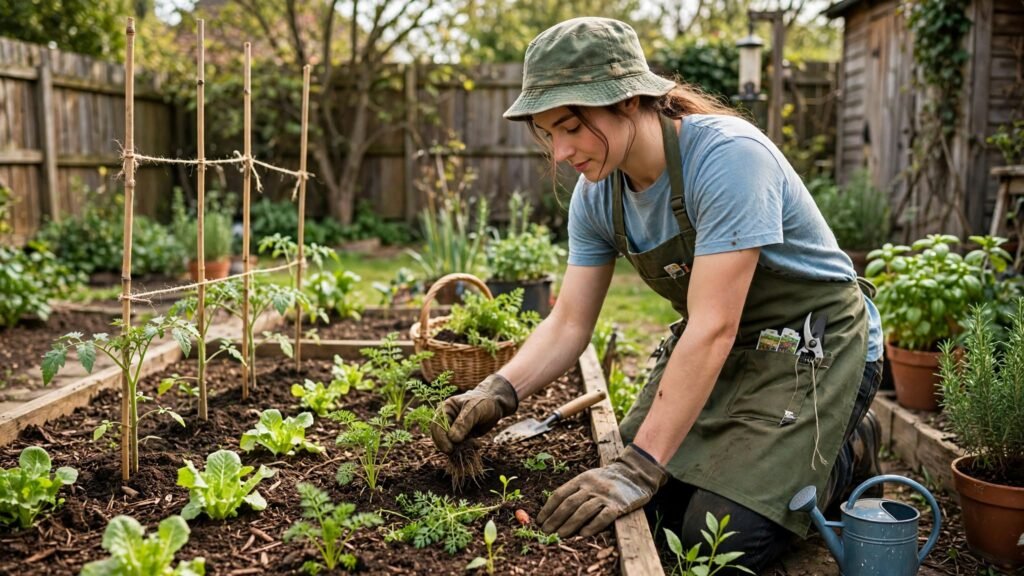
Try to identify weeds before removing everything automatically. Some plants that appear unexpectedly may be valuable wildflowers or beneficial species. Learning to recognize common weeds will make management easier. Avoid allowing weeds to become large and deeply rooted, especially around young plants. A few minutes of maintenance each week can prevent a much larger task later.
12. Learn Basic Pest Management
Seeing insects on your plants does not always mean your garden has a serious pest problem. Many insects are harmless, while others are beneficial predators or pollinators. Inspect leaves, stems, flowers, and the underside of foliage regularly. Look for chewing damage, distorted leaves, sticky residue, discoloration, webbing, or clusters of insects.
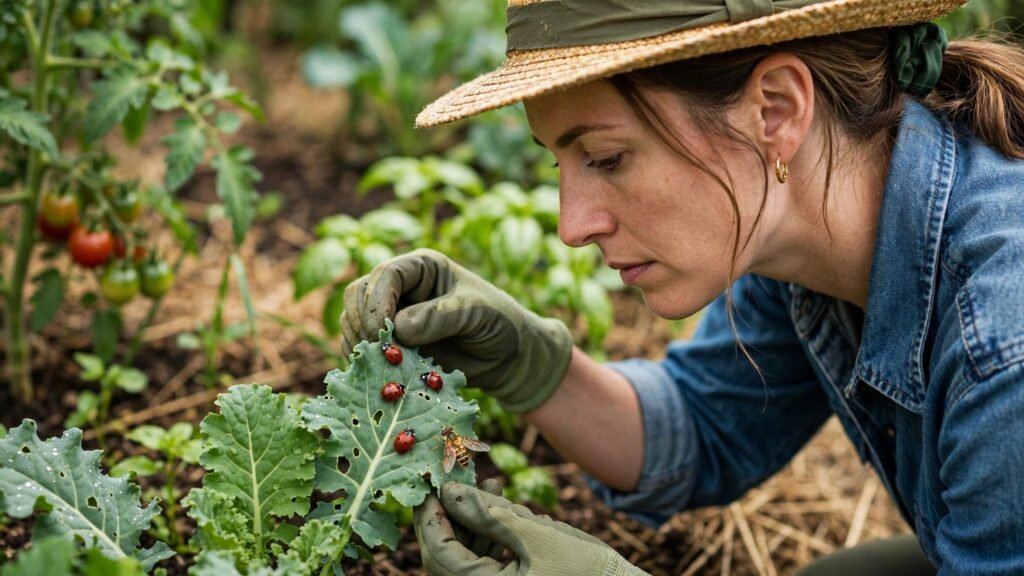
Start with the least disruptive management method. Remove larger pests by hand when practical, improve plant health, encourage beneficial insects, and maintain good garden hygiene. Physical barriers such as netting may also protect suitable crops. If a pest problem becomes serious, correctly identify the pest before choosing a treatment. Randomly spraying products can harm beneficial insects and may not solve the actual problem.
For your supporting content strategy, this section can naturally link to cluster articles about garden pests and natural pest-control methods.
13. Understand Plant Diseases
Plant diseases can be caused by fungi, bacteria, viruses, environmental stress, or other factors. Not every yellow leaf or brown spot is a disease; nutrient problems, overwatering, underwatering, temperature stress, and insect damage can create similar symptoms. When you notice unusual symptoms, first inspect the entire plant and consider recent weather and watering conditions. Check whether symptoms are appearing on older or newer leaves and whether multiple plants are affected.
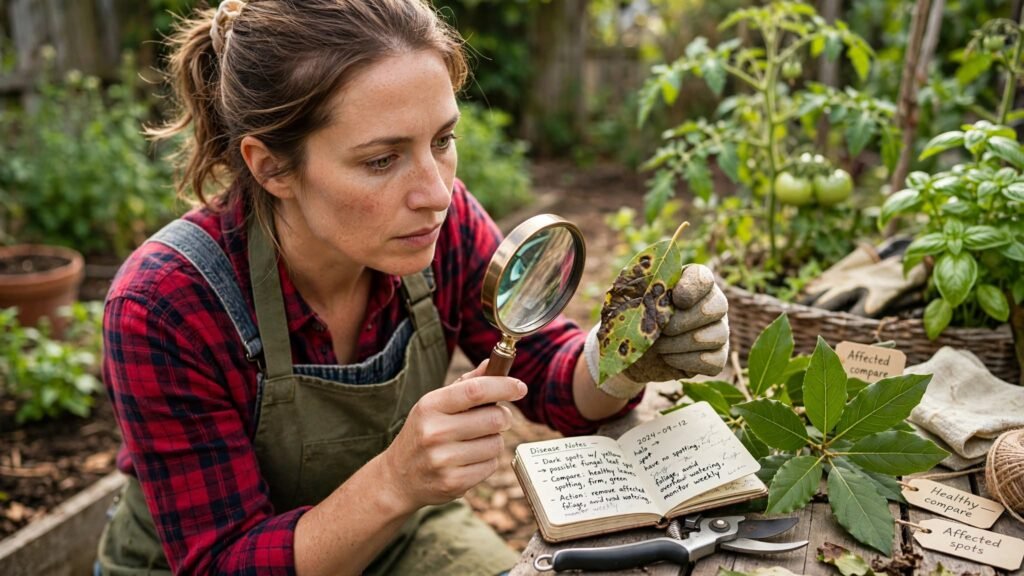
Good air circulation, appropriate spacing, healthy soil, clean tools, and proper watering can help reduce many garden problems. Remove severely affected plant material when appropriate and dispose of it responsibly. Avoid treating a problem before identifying it. Accurate diagnosis is one of the most valuable skills a gardener can develop.
14. Learn the Basics of Pruning
Pruning means selectively removing parts of a plant to improve its structure, appearance, health, or productivity. However, not every plant needs regular pruning.Before cutting, learn what type of plant you have and when it should be pruned. Some flowering plants bloom on old growth, while others flower on new growth. Incorrect timing can remove future flowers.
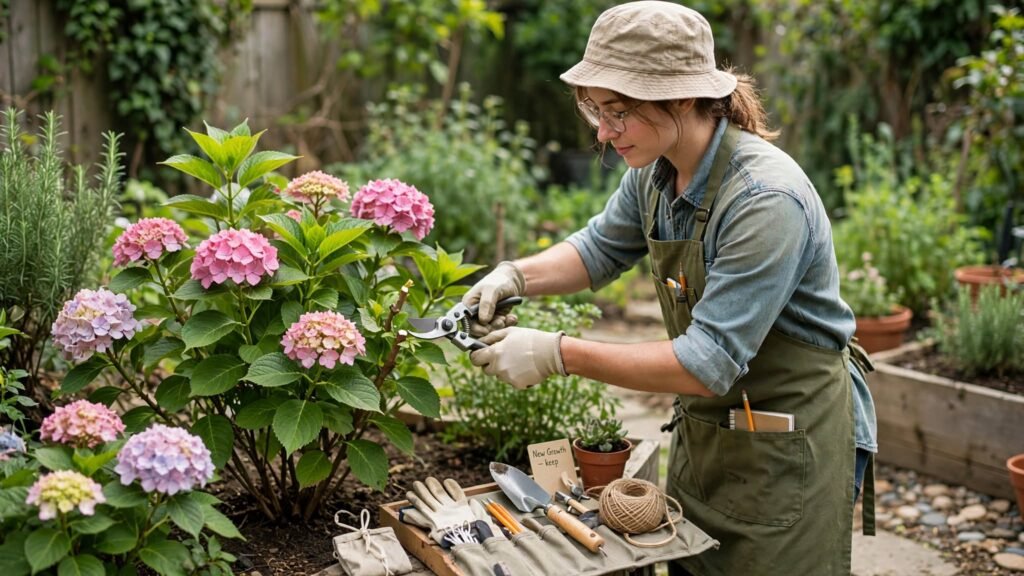
Use clean, sharp pruning tools and make deliberate cuts. Remove dead, damaged, diseased, or badly positioned growth when appropriate. Avoid cutting simply because a plant looks slightly untidy. Young gardeners often become too enthusiastic with pruning. Remember that plants need healthy foliage to produce energy, so excessive cutting can weaken them.
15. Explore Container Gardening
Container gardening is one of the easiest ways for beginners to start growing plants. It works particularly well for balconies, patios, small yards, rental homes, and areas where in-ground gardening is difficult. Choose containers with adequate drainage holes and a suitable growing medium. Match the container size to the plant’s mature root system. Small containers can dry out quickly, while very large containers may hold excessive moisture if drainage is poor.
Herbs, leafy greens, flowers, compact vegetables, and many ornamental plants can thrive in containers when their requirements are met. Container gardening also gives you flexibility. Pots can be moved to better light, rearranged for decoration, or protected from extreme weather when necessary.
16. Try Indoor Gardening
Indoor gardening allows beginners to grow plants throughout the year, even when outdoor conditions are unsuitable. Houseplants can also improve the visual character of living spaces and provide an enjoyable daily gardening routine. Before bringing a plant indoors, consider its light, humidity, temperature, watering, and space requirements. A sunny window may work for some herbs and plants, while others may need supplemental grow lighting.
Avoid overwatering indoor plants. Containers without proper drainage can hold excessive moisture and lead to root problems. Indoor gardening can begin with a few easy-care plants rather than a large collection. As you learn how different species respond to your home environment, you can gradually expand.
17. Discover Vertical Gardening
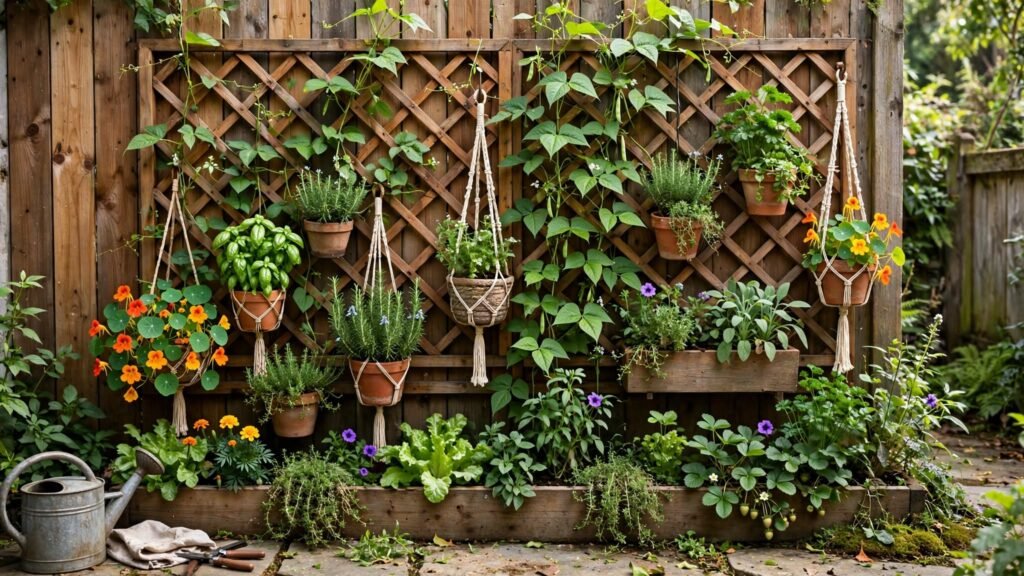
Vertical gardening makes better use of limited space by growing plants upward instead of allowing them to spread across the ground. It can be particularly useful for small gardens, balconies, patios, and narrow side areas. Trellises, wall planters, hanging containers, and vertical structures can support suitable vines and compact plants. Cucumbers, climbing beans, certain flowers, and ornamental vines can benefit from vertical support.
Make sure the structure is strong enough for mature plants and wet soil. Consider wind exposure when placing tall structures outdoors. Vertical gardening can also create privacy and visual interest while making harvesting easier for some crops.
18. Consider Organic Gardening
Organic gardening focuses on building healthy soil, encouraging biodiversity, reducing unnecessary chemical inputs, and using natural processes where practical. It is not simply a matter of replacing every product with an organic-labeled product. Healthy organic gardening begins with soil. Compost, plant diversity, mulch, crop rotation, beneficial insects, and responsible watering all contribute to a resilient garden.
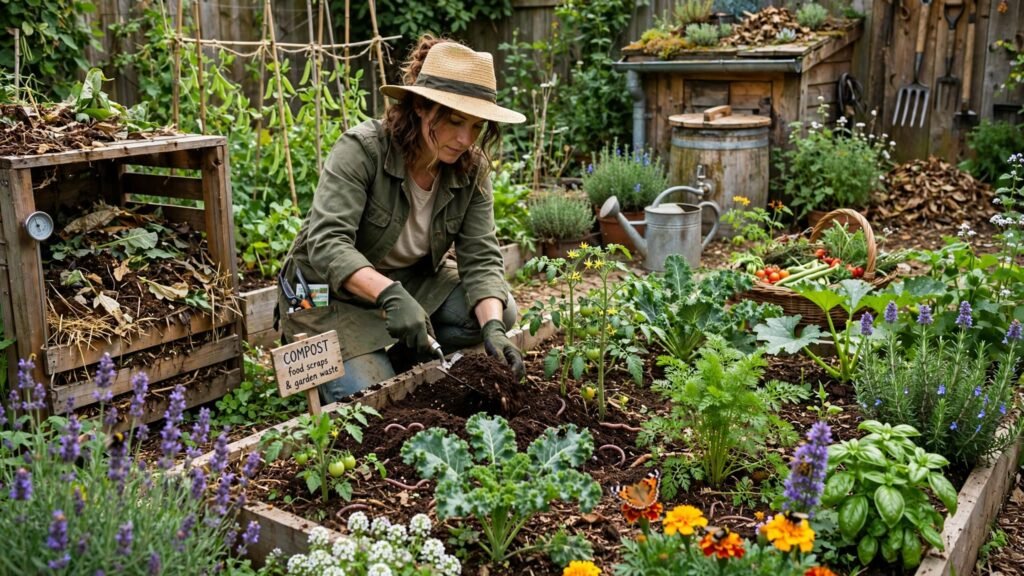
Avoid expecting instant results. Soil improvement and ecological balance take time. Observe which organisms visit your garden and learn which insects are helpful. For beginners, a practical approach is to focus on healthy soil and prevention rather than trying to eliminate every insect or imperfection.
19. Plan a Vegetable Garden
Growing vegetables can be especially rewarding because you can eventually harvest food that you grew yourself. Begin with vegetables that suit your climate and available space. Consider planting times, mature size, sunlight, watering needs, and harvesting periods. Fast-growing crops can provide early rewards, while longer-season vegetables require more patience.
Avoid planting the entire garden with one crop. A mixture of vegetables, herbs, and flowers can provide diversity and make the garden more attractive. Keep a simple planting record. Write down what you planted, where you planted it, when it germinated, and how it performed. These notes become increasingly valuable each growing season.
20. Add Flowers and Pollinator Plants
Flowers bring color, fragrance, texture, and wildlife into the garden. Many flowering plants also provide nectar and pollen for bees, butterflies, and other beneficial insects. Choose a variety of flowering plants with different blooming periods so your garden provides resources across more of the season. Native or locally adapted plants can be particularly valuable for supporting local wildlife.
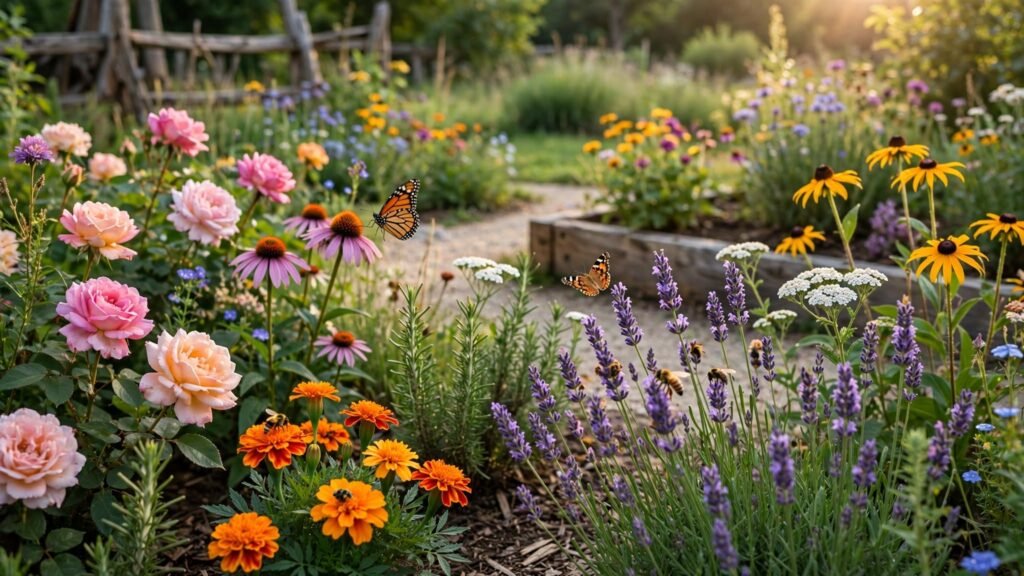
Avoid designing a garden entirely around appearance. Combining flowers with herbs, vegetables, shrubs, and foliage can create a more diverse and functional landscape. A pollinator-friendly garden can be beautiful while also contributing to local biodiversity.
21. Maintain Your Lawn and Landscape
If your garden includes a lawn, paths, trees, shrubs, or decorative areas, think of the entire property as one connected landscape. Mow grass at an appropriate height for its type rather than cutting it extremely short. Water deeply when needed, improve soil where appropriate, and address compacted or poorly drained areas.
Landscape beds should have clear boundaries and enough space for plants to mature. Avoid placing large plants where they will eventually block paths, windows, or smaller plants. Good landscaping is not about filling every empty space. It is about creating a balanced arrangement that remains attractive and manageable as plants mature.
22. Build a Simple Gardening Routine
A gardening routine prevents small problems from becoming major problems. You do not need to spend hours in the garden every day. A simple weekly inspection can include checking soil moisture, examining leaves, removing weeds, observing pests, harvesting vegetables, and checking plant supports.
Seasonally, you may need to prune, plant, mulch, divide perennials, prepare beds, clean tools, or protect plants from extreme weather. Keep your tools organized and clean. Sharp pruning tools make cleaner cuts, while clean tools can help reduce the spread of certain plant problems. The best routine is one you can maintain consistently.
23. Keep Learning From Your Garden
No beginner becomes an expert overnight. Gardening knowledge grows through observation and experience. Keep notes about planting dates, weather, successful varieties, pest problems, watering patterns, harvests, and mistakes. Take photographs throughout the season so you can compare growth over time.
When something fails, try to understand why rather than simply replacing it. Was the plant in the wrong location? Was the soil too wet? Was it planted at the wrong time? Did a pest or disease affect it? Every unsuccessful attempt can provide useful information for the next season. Gardening becomes easier when you stop viewing mistakes as failures and start treating them as lessons.
24. Common Gardening Mistakes Beginners Should Avoid
One of the biggest beginner mistakes is starting too large. A huge garden requires significant time, water, maintenance, and knowledge. Start with a manageable area and expand gradually. Another common mistake is ignoring sunlight. Beautiful plants will struggle if their light requirements do not match the location.
Overwatering is also common. Check soil moisture before watering and learn the needs of individual plants. Planting too closely together, using excessive fertilizer, neglecting weeds, and failing to inspect plants regularly can also create unnecessary problems. Finally, avoid comparing your garden to professionally photographed gardens online. Real gardens change with seasons, weather, pests, and imperfections. Focus on creating a healthy space that works for you.
25. Create a Beginner Gardening Plan
A simple gardening plan can turn all this information into practical action.
Week 1: Observe your garden. Record sunlight, shade, drainage, wind, and available space.
Week 2: Decide what you want to grow and research plants suited to your conditions.
Week 3: Prepare your soil, containers, raised beds, or growing structures.
Week 4: Purchase seeds or healthy young plants and begin planting according to local conditions.
Every week: Check moisture, inspect plants, remove weeds, watch for pests, harvest when appropriate, and record what you learn.
Do not attempt everything at once. Your first goal should be to establish healthy plants and develop confidence. In future seasons, you can experiment with new crops, landscape designs, propagation, composting, vertical gardening, or more advanced techniques.
How the Main Gardening Types Fit Together
Gardening has many forms, but the basic principles remain connected. Container gardening is useful when you have limited space. Indoor gardening allows you to grow plants inside your home. Outdoor gardening provides more room for vegetables, flowers, shrubs, and landscape plants. Vertical gardening uses vertical space. Hydroponic gardening grows plants without traditional soil using a nutrient solution. Organic gardening emphasizes healthy soil and natural ecological processes.
These approaches are not necessarily separate. A gardener can grow organic herbs in containers, combine vertical structures with a vegetable garden, or grow seedlings indoors before moving them outdoors. Understanding these space, budget, time, and goals.
Ready to create your first garden from scratch? Our step-by-step guide on how to start a Garden From Scratch will help you choose the right location, prepare your soil, select beginner-friendly plants, plan your garden layout, and get your new garden growing with confidence.
Conclusion
Starting a garden can feel overwhelming when you are surrounded by seed packets, tools, soil choices, plant labels, and conflicting advice. The good news is that gardening becomes much easier when you learn the basics in the right order. A successful garden does not begin with expensive equipment or a perfect landscape; it begins with understanding your space, choosing suitable plants, preparing healthy soil, and creating a simple routine. Whether you have a backyard, patio, balcony, or sunny windowsill, you can grow something rewarding. This complete gardening guide for beginners brings the essential steps together in one practical resource. You will learn how to choose a location, prepare soil, select plants, sow seeds, water correctly, feed plants, manage weeds and pests, and keep your garden healthy through the seasons. With patience and observation, even a first-time gardener can create a beautiful, productive growing space and your local climate.
The most important beginner gardening lesson is to start small and learn from your own garden. Every growing space has its own combination of sunlight, temperature, wind, drainage, soil, moisture, and seasonal conditions. Instead of trying to grow dozens of plants immediately, begin with a manageable selection of reliable flowers, herbs, vegetables, or foliage plants. Observe what happens each week, keep simple notes, and adjust your routine as plants respond. Gardening is not about achieving perfection; it is about building knowledge through repeated care. Some seeds will fail, leaves may develop spots, and an unexpected pest may appear. These experiences are part of becoming a better gardener. As you gain confidence, expand into container, indoor, vertical, organic, landscaping, lawn care, and specialized projects. The foundation is simple: understand your plants, care for the soil, provide suitable growing conditions, and pay attention to what your garden tells you daily.
Frequently Asked Questions
Beginners should start with plants that are well suited to their local climate and growing conditions. Easy herbs, leafy greens, some flowers, and reliable vegetables can be good starting choices. Choose only a few varieties initially so you can learn their requirements.
There is no single watering schedule for every garden. Check the soil moisture and consider temperature, rainfall, plant type, soil, and container size. Water thoroughly when plants need moisture rather than automatically watering every day.
Start by examining drainage, texture, and existing organic matter. A soil test can provide useful information about pH and nutrients. Mature compost can improve soil structure and organic matter in many garden situations.
Gardening is easier when you start small and choose plants suited to your conditions. Beginners may encounter pests, diseases, poor germination, or watering mistakes, but each problem offers a chance to learn.
Yes. Container gardening is an excellent starting point because it requires relatively little space and allows you to control the growing environment. Choose suitable containers, ensure drainage, and match plants to the available sunlight.
Build healthy soil, encourage beneficial insects, use appropriate mulch, maintain good spacing and air circulation, water correctly, remove weeds early, and identify pest or disease problems before treating them. Prevention is usually easier than correcting a serious problem later.
