Common Gardening Mistakes Beginners Should Avoid
Gardening is a wonderful way to connect with nature, grow fresh vegetables, enjoy colorful flowers, and create a beautiful outdoor space. However, beginners often make simple mistakes that can prevent plants from growing properly. Overwatering, choosing the wrong location, using poor-quality soil, and planting unsuitable varieties are common problems that can leave new gardeners feeling frustrated. The good news is that most gardening mistakes are easy to correct once you understand what your plants need. Whether you are growing flowers in containers, starting a vegetable garden in your backyard, or caring for indoor plants, learning what to avoid can save time, money, and effort. In this guide, we will explore the most common gardening mistakes beginners should avoid and share practical tips to help you grow healthier plants. With a little patience, careful observation, and the right approach, you can build confidence and enjoy a thriving garden throughout the growing season. If you are just starting your gardening journey, explore our Complete Gardening Guide for Beginners to learn the basics of creating and maintaining a healthy garden.
1. Overwatering Plants
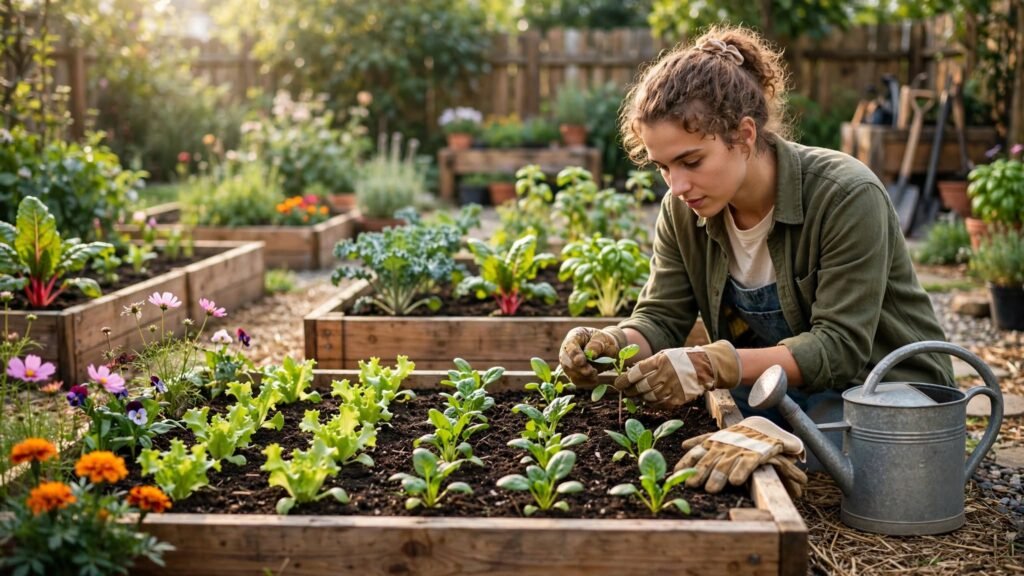
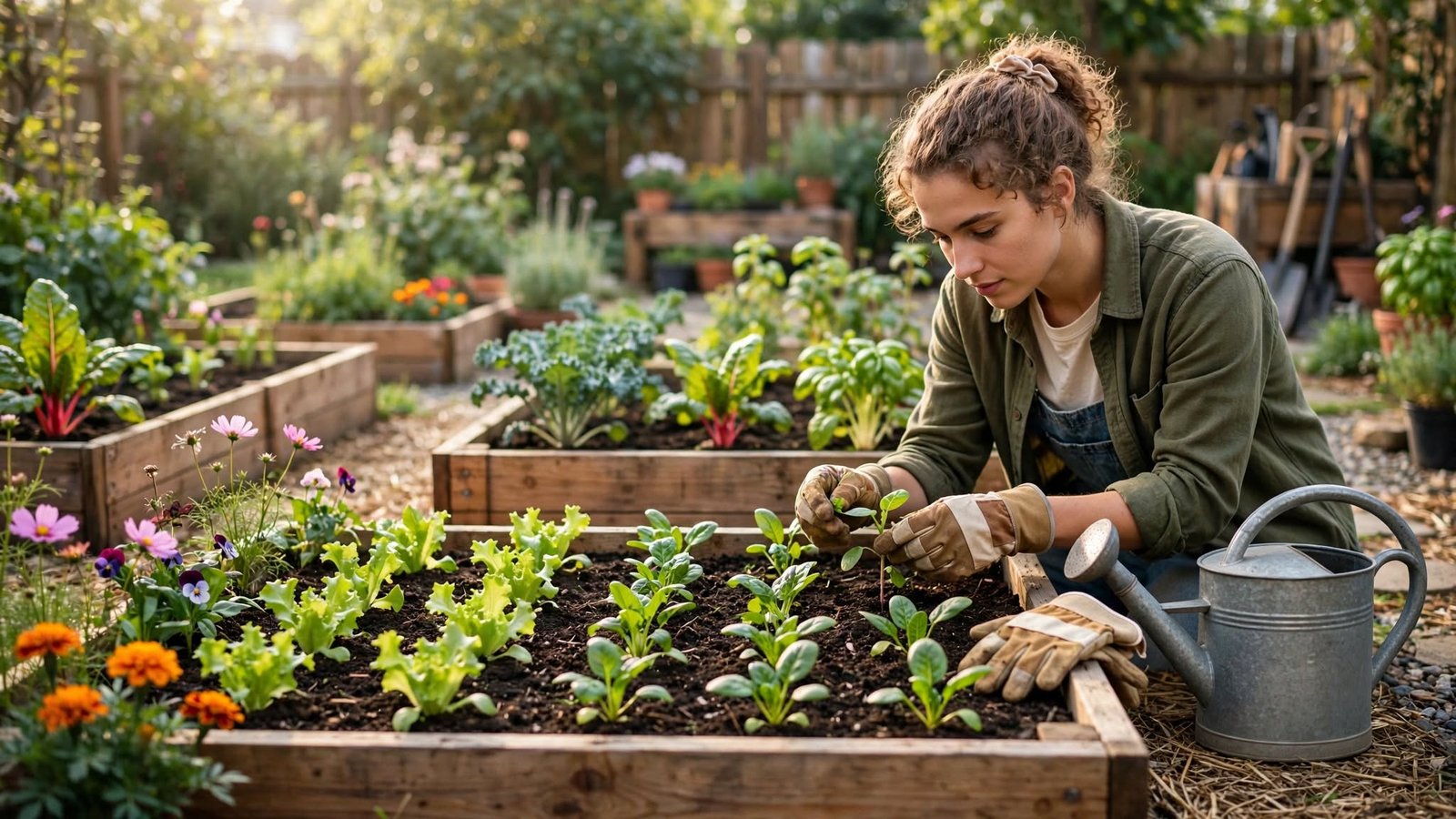
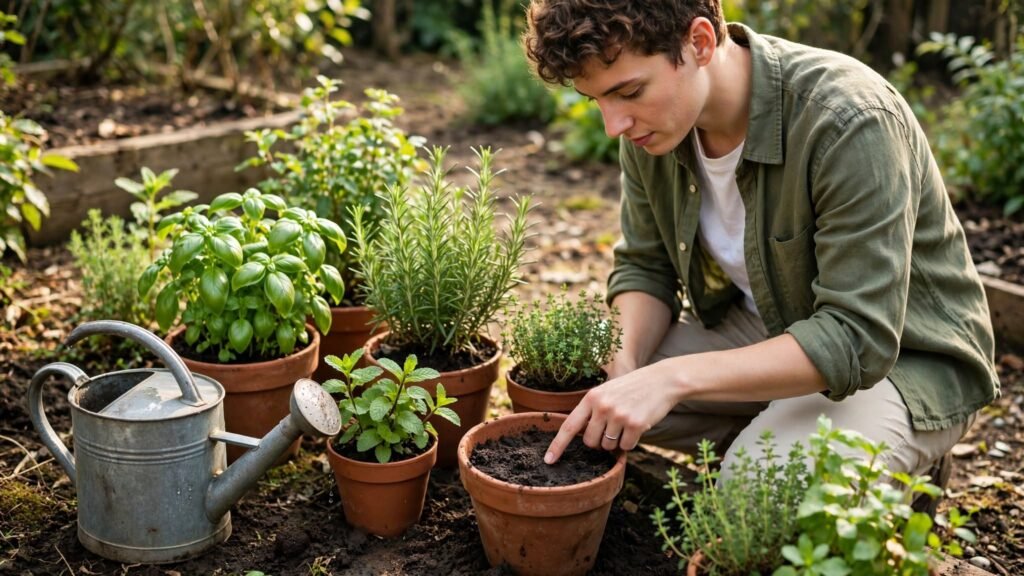
One of the most common gardening mistakes beginners should avoid is overwatering. Many new gardeners believe that plants need water every day to stay healthy, but excessive watering can damage roots and prevent them from absorbing the oxygen they need. When soil remains constantly wet, roots may become weak or develop root rot. Yellowing leaves, drooping stems, and a consistently soggy growing medium can indicate that a plant is receiving too much water.
Instead of following a rigid watering schedule, check the soil before reaching for your watering can. For many plants, allowing the upper layer of soil to dry slightly between waterings is helpful, although moisture requirements vary by species. Water deeply when needed, and make sure containers have drainage holes. Outdoor plants may need less watering after rainfall, while container plants can dry out quickly during hot weather. Morning is generally a good time to water because plants can absorb moisture before the hottest part of the day. Learning to recognize your plants’ individual needs will help you avoid unnecessary watering and encourage stronger root development.
2. Choosing the Wrong Location for Plants
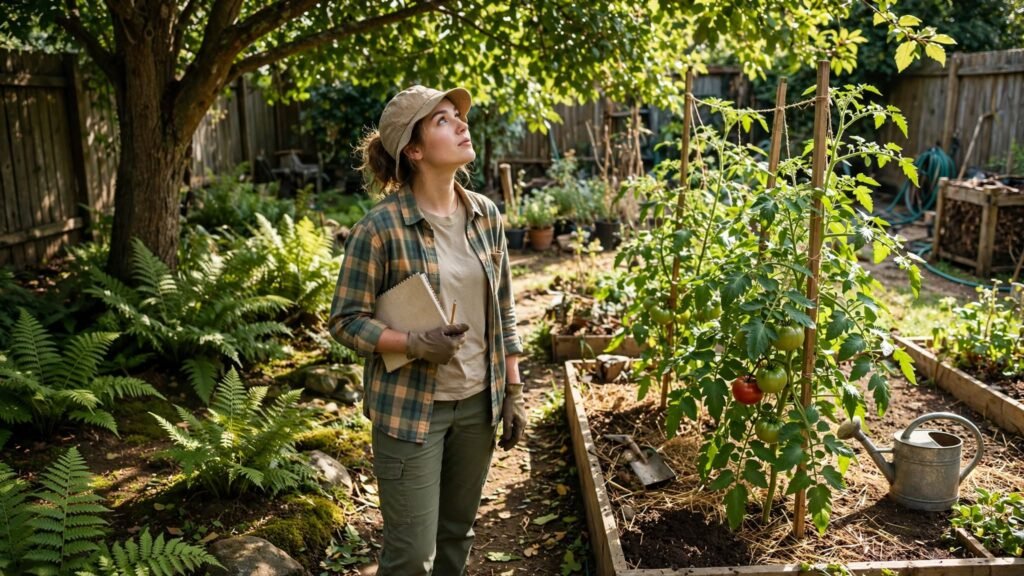
Plant placement plays an important role in garden success. Beginners sometimes choose a location because it looks attractive without considering how much sunlight the plants need. Some vegetables, including tomatoes and peppers, generally perform best with several hours of direct sunlight. Other plants, such as many ferns and shade-loving flowers, prefer protection from intense afternoon sunshine.
Before planting, observe your garden throughout the day. Notice which areas receive full sun, partial shade, or mostly indirect light. Remember that sunlight patterns change with the seasons, so a location that appears sunny in spring may become shaded when nearby trees develop fuller foliage. Also consider wind exposure, drainage, and accessibility when choosing a planting site. Before planting, read our guide on How to Start a Garden From Scratch for practical advice on selecting a location, preparing your space, and planning your first garden.
If you have limited outdoor space, containers can help you position plants where conditions are more suitable. You can move pots to improve light exposure or protect delicate plants during extreme weather. Matching each plant to the right location reduces stress, supports healthy growth, and often improves flowering and vegetable production. A few minutes of observation before planting can prevent weeks of struggling with unsuitable conditions.
3. Ignoring Soil Quality
Healthy soil is the foundation of a successful garden, yet beginners often focus on seeds and plants while overlooking the growing medium. Soil provides essential nutrients, holds moisture, and supports roots. If it is compacted, poorly drained, or lacking organic matter, plants may struggle even when watering and sunlight are adequate.
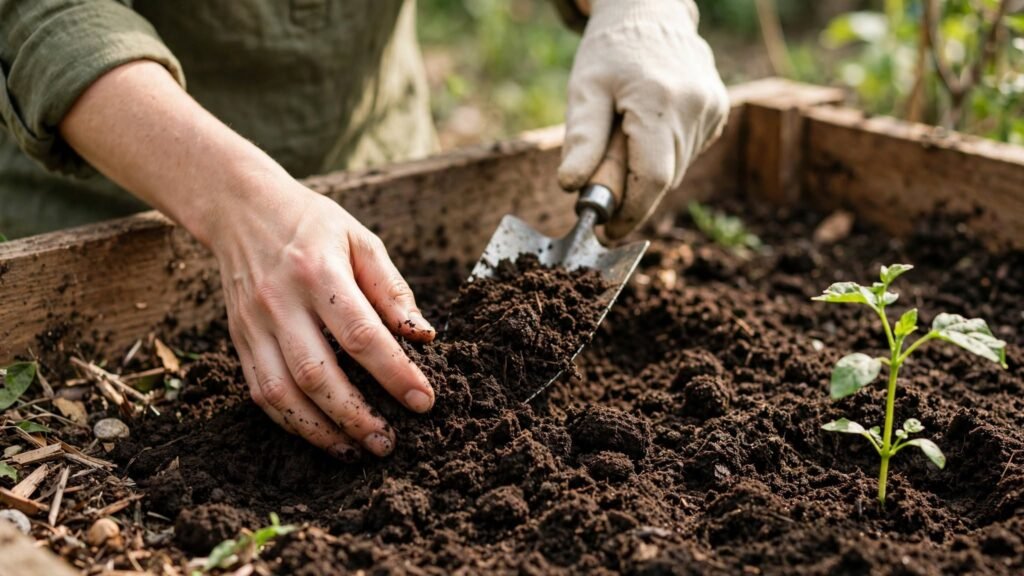
Before planting, examine your soil’s texture and drainage. Heavy clay soil may hold excessive water and become difficult to work with, while sandy soil often drains quickly and may struggle to retain moisture and nutrients. Adding suitable organic matter, such as finished compost, can improve soil structure and support beneficial soil organisms. However, avoid assuming that every garden needs the same amendments.
A soil test can help identify pH levels and nutrient deficiencies, allowing you to make informed decisions about fertilizers and amendments. For container gardening, use a suitable potting mix rather than ordinary garden soil, which may become compacted in pots. Avoid working with very wet soil because this can damage its structure. By preparing the soil before planting, you give your plants a stronger foundation and reduce many common growing problems.
4. Planting Too Many Plants Too Closely
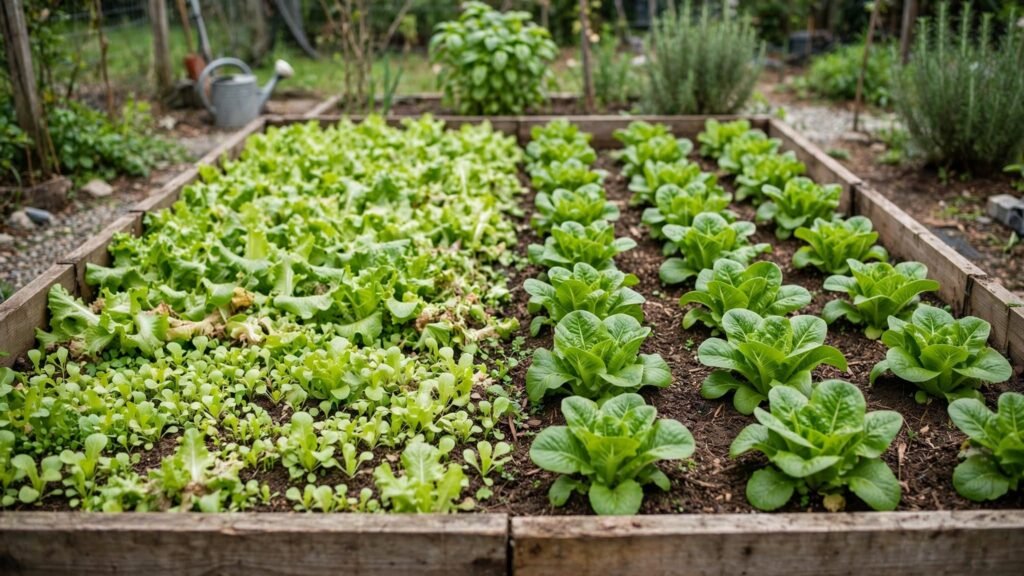
It is tempting to fill every available space with seeds, flowers, and vegetables, especially when starting a new garden. Unfortunately, overcrowding can create problems as plants mature. Closely spaced plants compete for sunlight, water, nutrients, and root space. Poor airflow between leaves can also encourage certain fungal diseases, particularly in humid conditions.
Always check the recommended spacing on seed packets or plant labels. Small seedlings may initially look far apart, but remember that many will grow considerably larger over time. Vegetables such as zucchini need more room than their young seedlings suggest, while climbing plants may require trellises or other supports. Proper spacing helps each plant develop a stronger root system and receive sufficient light.
If you sow seeds too thickly, thin the seedlings according to the instructions for that crop. Although removing healthy-looking seedlings can feel wasteful, it allows the remaining plants to grow more successfully. You can also use vertical gardening techniques for suitable climbing vegetables and compact varieties when space is limited. A well-organized garden with fewer, healthier plants is often more productive than a crowded garden that is difficult to maintain.
5. Planting at the Wrong Time
Another frequent mistake is planting seeds or seedlings before local weather conditions are suitable. Some plants thrive in cool spring weather, while others need warm soil and protection from frost. Planting too early can expose tender seedlings to cold temperatures, and planting heat-sensitive crops during extreme summer weather can slow growth or damage leaves.
Learn about your local growing season before buying seeds. Seed packets usually provide useful information about planting depth, germination temperature, spacing, and approximate maturity time. Check your area’s expected last spring frost and first autumn frost when these dates apply to your climate. In warmer regions, seasonal heat and rainfall patterns may be more important than frost dates alone.
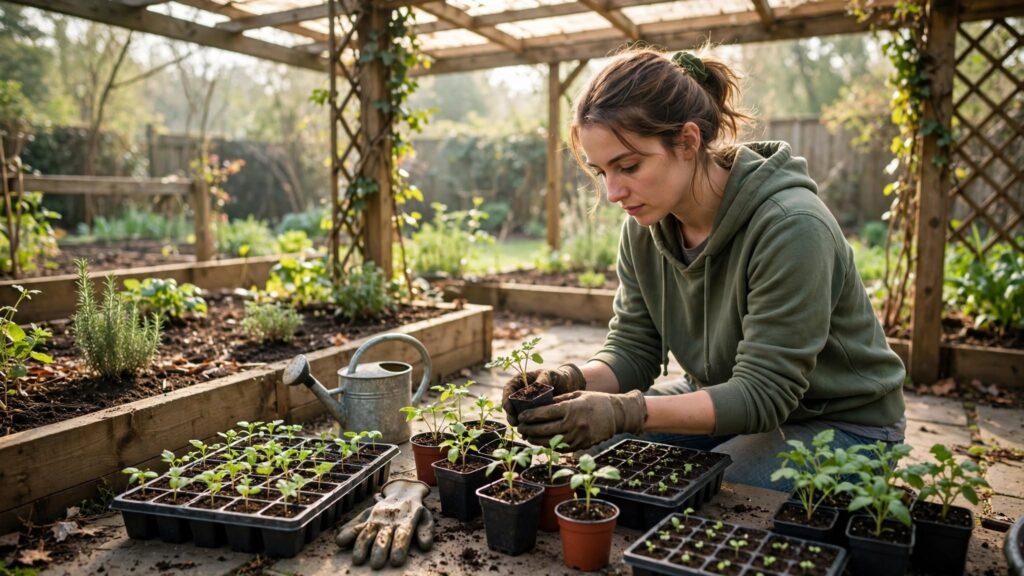
You can start suitable seeds indoors before the outdoor planting season, but seedlings usually need gradual acclimatization to outdoor conditions. This process, called hardening off, helps them adjust to sunlight, wind, and temperature changes. Avoid moving delicate seedlings directly from a sheltered indoor environment into harsh outdoor conditions. Choosing the right planting time gives plants a better chance to establish healthy roots and grow without unnecessary stress.
6. Using Too Much Fertilizer
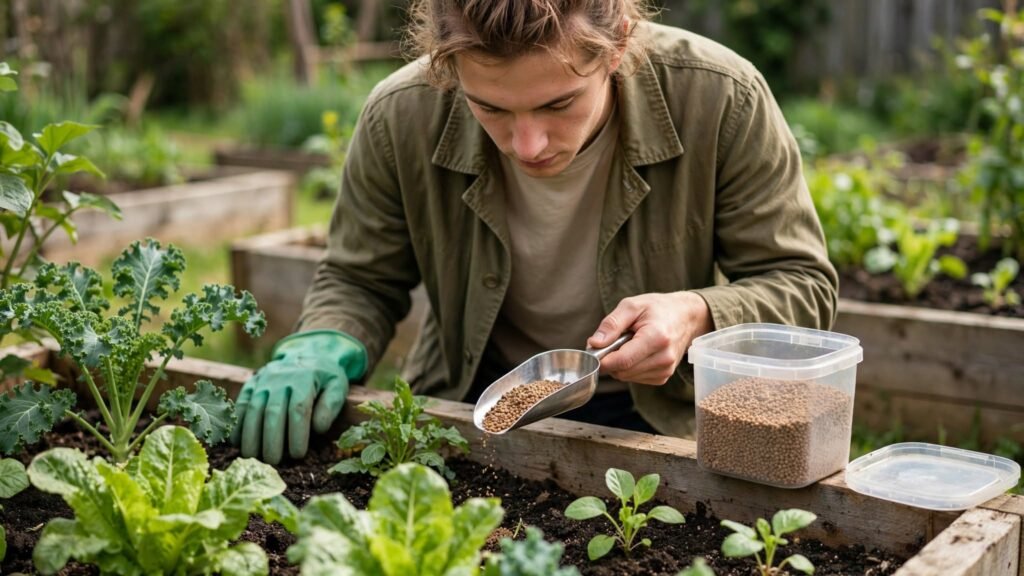
Fertilizer can support plant growth, but using too much can do more harm than good. Beginners sometimes assume that adding extra fertilizer will make plants grow faster, produce more flowers, or yield larger vegetables. In reality, excessive nutrients can damage roots, create nutrient imbalances, and encourage abundant leafy growth at the expense of flowers or fruit in some plants.
Different plants have different nutritional requirements. Leafy vegetables, flowering plants, and fruiting crops do not always need the same fertilizer formula or application schedule. Read the product label carefully and follow the recommended dosage. If possible, test your soil before applying fertilizer so you can address actual deficiencies instead of adding nutrients unnecessarily.
Organic options, including finished compost, can contribute nutrients and improve soil structure, but they should still be used appropriately. Never apply concentrated fertilizer directly to delicate roots unless the product instructions specifically allow it. If plants develop brown leaf edges or unusual growth after fertilizing, review your application practices and investigate other possible causes. A balanced approach to feeding plants is more reliable than using large quantities of fertilizer.
7. Neglecting Pruning and Plant Maintenance
A garden needs regular attention, but beginners sometimes leave plants unattended until problems become obvious. Dead flowers, damaged leaves, competing weeds, and overcrowded branches can affect the appearance and health of certain plants. However, pruning without understanding a plant’s growth habits can also cause damage.
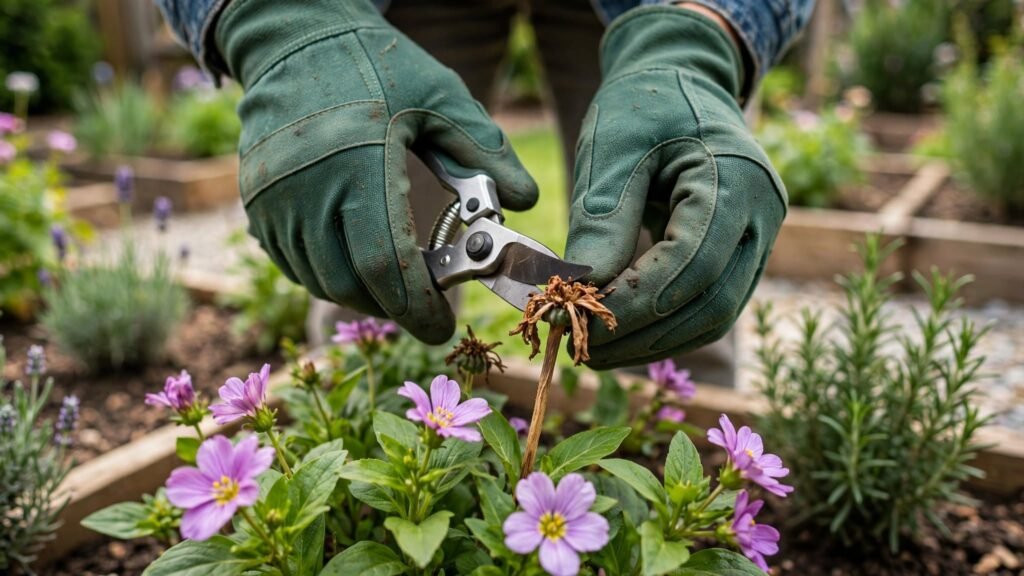
Start by learning which plants benefit from pruning and when the work should be done. Many flowering annuals produce additional blooms when spent flowers are removed, while some shrubs should be pruned after flowering rather than before it. Avoid cutting healthy growth unnecessarily or removing too much foliage at once. For more practical advice, explore our 17 Essential Gardening Tips for Beginners and discover simple ways to build your gardening skills.
Use clean, sharp pruning tools to make appropriate cuts and reduce avoidable plant injury. Remove diseased material when suitable, and clean tools between plants when disease transmission is a concern. Check your garden regularly for broken stems, yellowing leaves, weeds, and signs of pests. A short weekly maintenance routine can prevent small issues from becoming major problems. Remember that not every plant needs frequent pruning. The goal is to provide the care each species requires while allowing natural growth whenever possible.
8. Ignoring Weeds and Garden Pests
Weeds and pests can quickly become frustrating when they are left unchecked. Weeds compete with garden plants for water, nutrients, light, and growing space. Meanwhile, insects and other garden pests may damage leaves, stems, roots, and developing fruit. Ignoring these problems can make them more difficult to manage later.
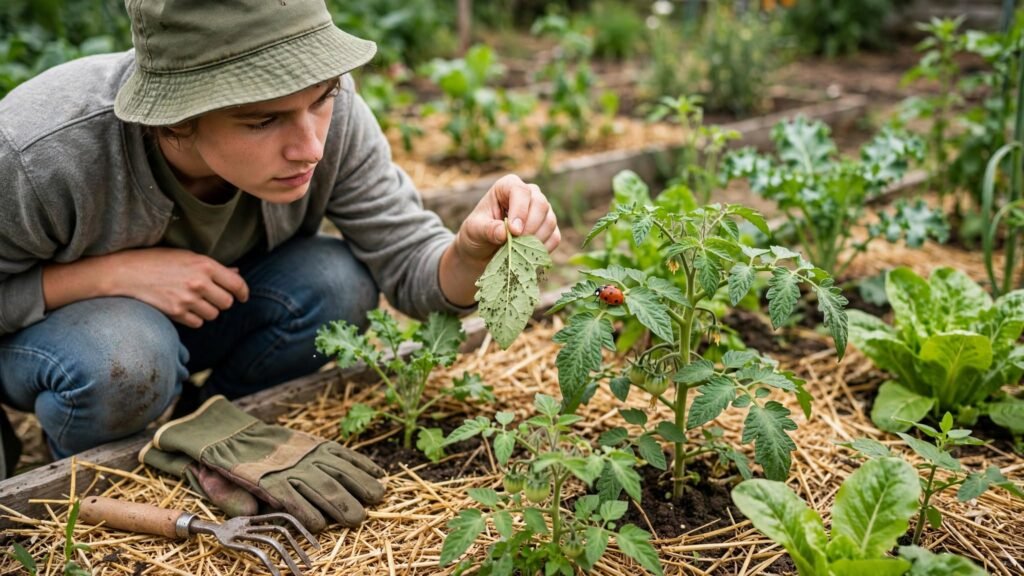
Inspect your garden regularly, especially the undersides of leaves and the tender growth where some pests gather. Learn to distinguish harmful insects from beneficial visitors such as ladybugs and pollinators. Not every insect in the garden is a threat, and unnecessary pesticide use can harm helpful organisms.
Remove young weeds before they produce seeds whenever practical. Applying an appropriate organic mulch can help suppress weed growth, conserve soil moisture, and moderate soil temperature. If pest problems appear, identify the organism first and choose a suitable response. Physical removal, protective netting, crop rotation, and other preventive methods can help with certain problems. Use pesticides only when necessary and always follow the label instructions. Consistent observation and early action make garden management easier and help maintain a healthier growing environment.
9. Choosing Plants Without Considering Your Climate
Beautiful plants in a nursery can be difficult to resist, but not every variety will thrive in every location. Beginners sometimes purchase plants based entirely on appearance without checking temperature tolerance, humidity requirements, water needs, or suitability for their region.
Before buying a plant, check its recommended growing conditions and suitability for your climate zone where relevant. Consider seasonal rainfall, summer heat, winter temperatures, and the amount of sunlight available. Native plants and locally adapted varieties can be useful choices because they may be better suited to regional conditions once established.
For edible gardens, choose vegetable varieties that can mature within your growing season. In containers, consider mature plant size as well as the space available for roots. If you love a plant that is sensitive to your climate, investigate whether it can be grown indoors or protected during difficult weather. Selecting suitable plants from the beginning saves money and reduces disappointment. A successful garden does not require the rarest or most expensive plants; it requires plants that match your environment and the time you can give them.
10. Giving Up Too Quickly
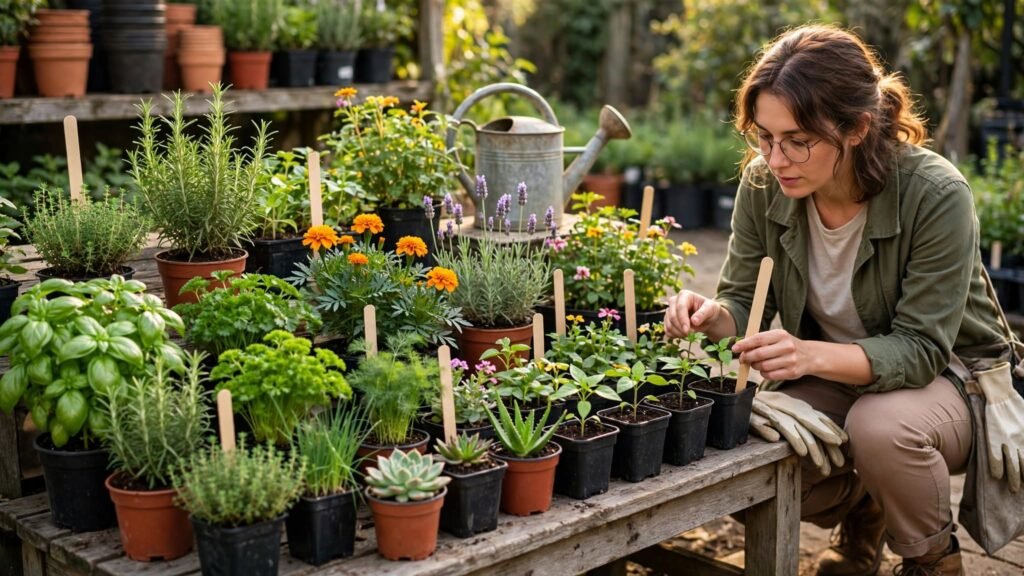
Perhaps the most overlooked gardening mistake is expecting immediate results. Seeds do not all germinate at the same speed, plants need time to establish roots, and weather conditions can influence growth. Beginners may become discouraged when a plant grows slowly or develops a few damaged leaves.
Gardening involves observation, experimentation, and learning from experience. Some plants may fail even when you follow good practices because of unsuitable weather, poor seed quality, disease, or other factors outside your control. Instead of abandoning the entire garden, investigate what happened. Check moisture, light, soil conditions, spacing, and pest activity before deciding what to change.
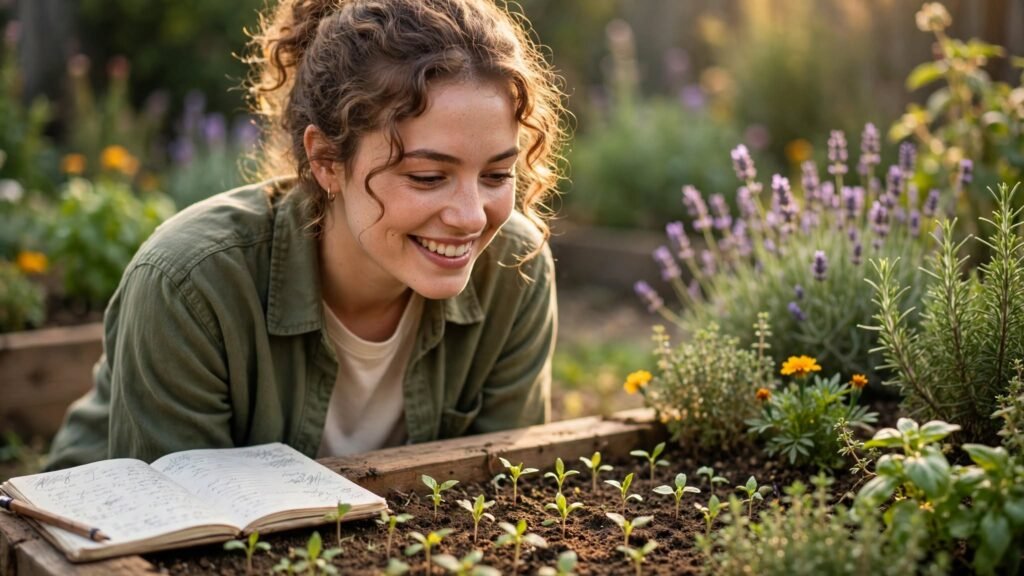
Keep simple notes about planting dates, watering, weather, and results. These records help you recognize patterns and make better decisions next season. Start with a manageable number of plants and expand as your confidence grows. Celebrate small successes, such as a new leaf, a blooming flower, or the first vegetable harvest. Patience is essential because healthy gardens develop gradually. Every growing season offers opportunities to improve your skills and discover what works best in your space.
Conclusion
Avoiding common gardening mistakes begins with understanding that healthy plants need the right balance of sunlight, water, nutrients, space, and care. Overwatering, neglecting soil quality, overcrowding plants, choosing unsuitable locations, and using excessive fertilizer can make gardening unnecessarily difficult. Fortunately, these problems are manageable when you take time to understand your plants and observe how they respond to their environment. Start with a small garden, choose varieties suited to your local climate, and follow reliable planting instructions. Check your plants regularly instead of waiting until something goes wrong. Small, consistent actions often make a bigger difference than expensive tools or complicated techniques. Remember that every gardener makes mistakes, including experienced growers. What matters most is learning from each experience and adjusting your approach. With patience and thoughtful planning, you can develop healthier plants, enjoy more rewarding harvests, and build a garden that becomes more beautiful and productive with every growing season.
Start Your Gardening Journey with Confidence
Gardening becomes easier when you focus on progress rather than perfection. You do not need to know everything before planting your first seed or creating your first flower bed. Begin with a few plants, prepare suitable soil, provide appropriate light, and water according to actual moisture needs. As your garden develops, pay attention to changing weather, emerging weeds, and signs of pests or nutrient problems. Use each challenge as an opportunity to improve your understanding of plant care. You can also expand your knowledge by exploring beginner gardening guides, learning about essential gardening tools, and discovering practical tips for maintaining healthy plants. Keep notes, celebrate small achievements, and give your garden time to grow. Most importantly, enjoy the process instead of worrying about every imperfect leaf. With consistent care and a willingness to learn, your gardening skills will improve naturally, helping you create a thriving green space that brings beauty, satisfaction, and a closer connection to nature.
Frequently Asked Questions (FAQ’s)
The most common gardening mistakes include overwatering, choosing unsuitable plants, ignoring soil quality, planting too closely, using too much fertilizer, and neglecting weeds and pests. Learning basic plant care helps prevent these problems.
Watering frequency depends on plant type, soil, weather, and growing conditions. Check the soil moisture before watering and provide water when needed. Avoid keeping the soil constantly soggy, and make sure containers have adequate drainage.
Yellow leaves can result from overwatering, underwatering, nutrient deficiencies, unsuitable light, pests, or natural leaf aging. Check soil moisture, drainage, growing conditions, and the affected leaves before choosing a solution.
A major mistake is planting vegetables without considering sunlight, soil conditions, spacing, and seasonal requirements. Choose suitable crops, prepare the soil, and follow recommended planting instructions for healthier growth.
Beginners can improve many garden soils by adding suitable finished compost, avoiding unnecessary soil compaction, and maintaining appropriate drainage. A soil test can help determine whether pH adjustments or additional nutrients are necessary.
Start small, select plants suited to your climate, provide appropriate sunlight and water, and inspect your garden regularly. Keep notes about plant growth and learn from challenges instead of expecting immediate perfection.