How to Start Gardening With No Experience
Starting a garden can feel intimidating when you have never planted anything before. You might wonder which plants to choose, how much sunlight they need, what kind of soil to use, or how often to water them. The good news is that gardening is a skill you can learn gradually, and you do not need a large yard, expensive tools, or years of experience to begin. A few containers, suitable soil, beginner-friendly plants, and a little patience are enough to get started. The most important thing is to begin small, observe what happens, and learn from each season. This guide explains the basic steps for starting a garden with no experience, from choosing a location and preparing soil to watering, feeding, and solving common beginner problems.
If you want to learn the gardening basics step by step, explore our Complete Gardening Guide for Beginners to discover how to plan, plant, and care for your first garden.
1. Start Small and Keep Your First Garden Simple
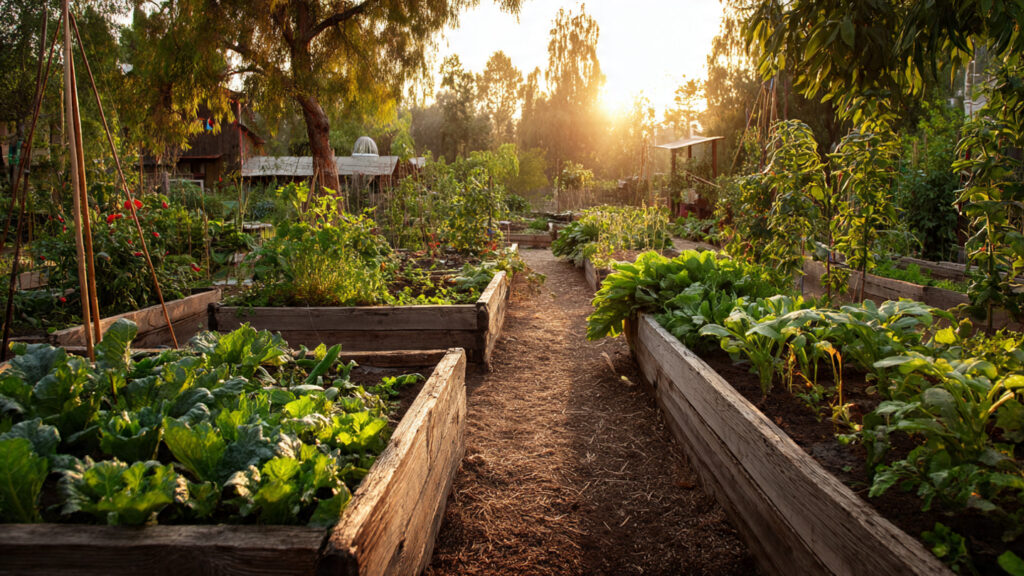
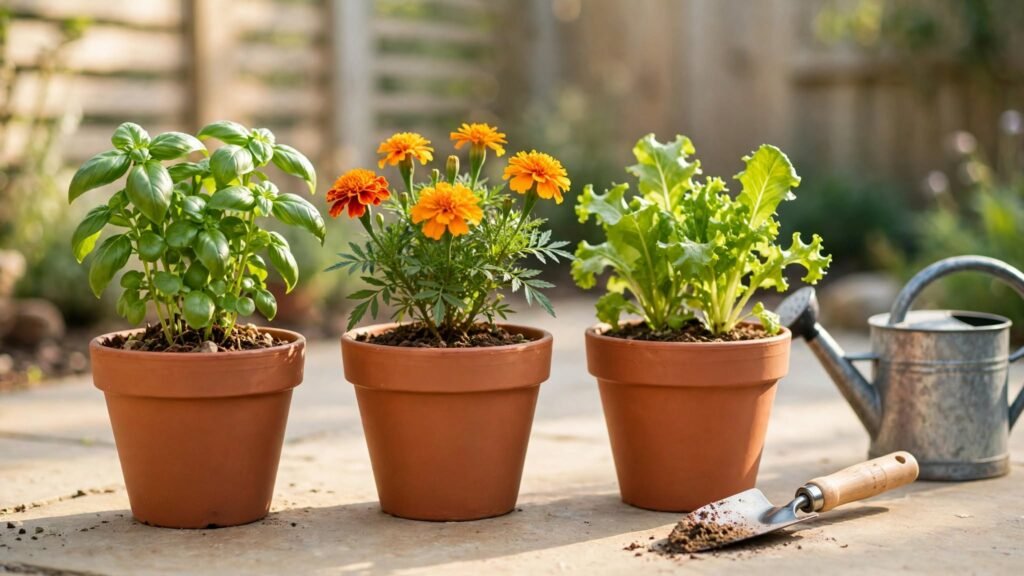
When you are new to gardening, it is tempting to grow many flowers, vegetables, and herbs at once. However, a large garden can quickly become difficult to manage. Start with two or three pots, a small raised bed, or one manageable patch of ground. Choose plants that suit your local climate and the amount of time you can give them. A small garden helps you learn how plants respond to sunlight, water, and soil without making daily care overwhelming. It also makes it easier to notice changes, such as new leaves or signs of stress. Once you feel comfortable with the basics, add more plants little by little.
Remember that your first garden is a learning space, not a test of your ability. A few healthy plants are a better start than a crowded garden you cannot maintain. If you’re unsure what to buy first, check our guide to Essential Gardening Tools for Beginners for a simple list of useful equipment.
2. Choose a Good Place for Your Garden
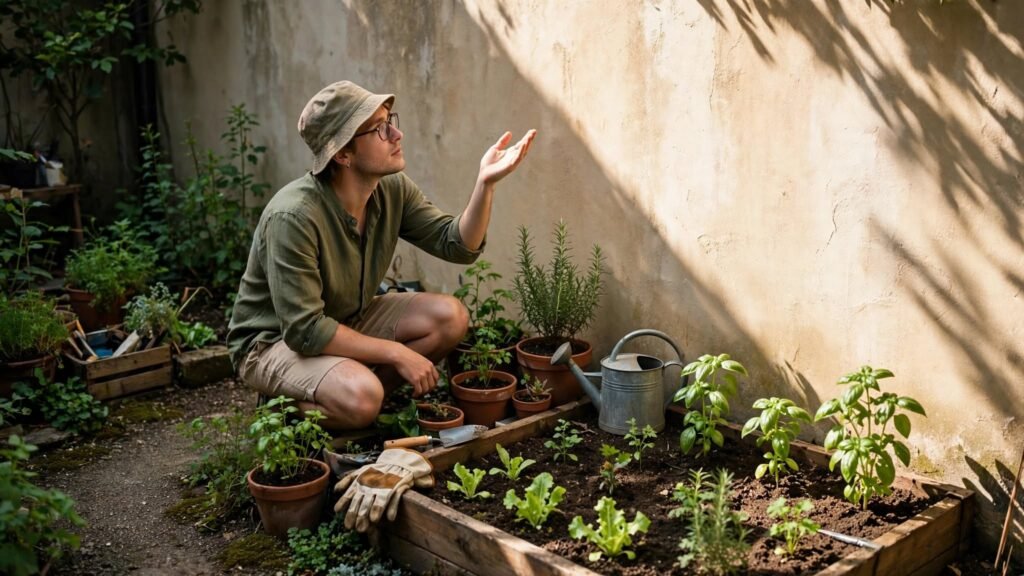
The right location can make gardening much easier. Most vegetables and many flowering plants need several hours of direct sunlight, while some leafy greens and shade-loving ornamentals tolerate less. Watch your proposed spot during the day and note when sunlight reaches it. If you only have a balcony, windowsill, doorstep, or paved patio, you can still grow plants in containers. Make sure the area is easy to reach with water and that pots have drainage holes. Avoid placing containers where strong winds can repeatedly knock them over, and check whether balconies or windowsills can safely support their weight. If you are growing in the ground, choose a place where water does not remain pooled after rain. Start with the conditions you already have instead of trying to change your whole space. Matching plants to your location is often easier than forcing plants to grow somewhere unsuitable.
3. Decide What You Want to Grow
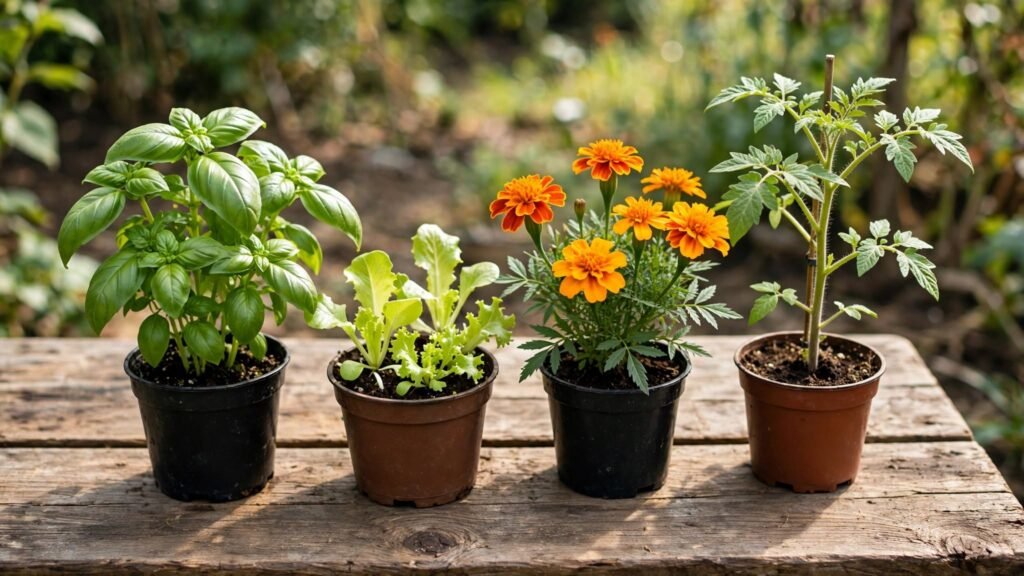
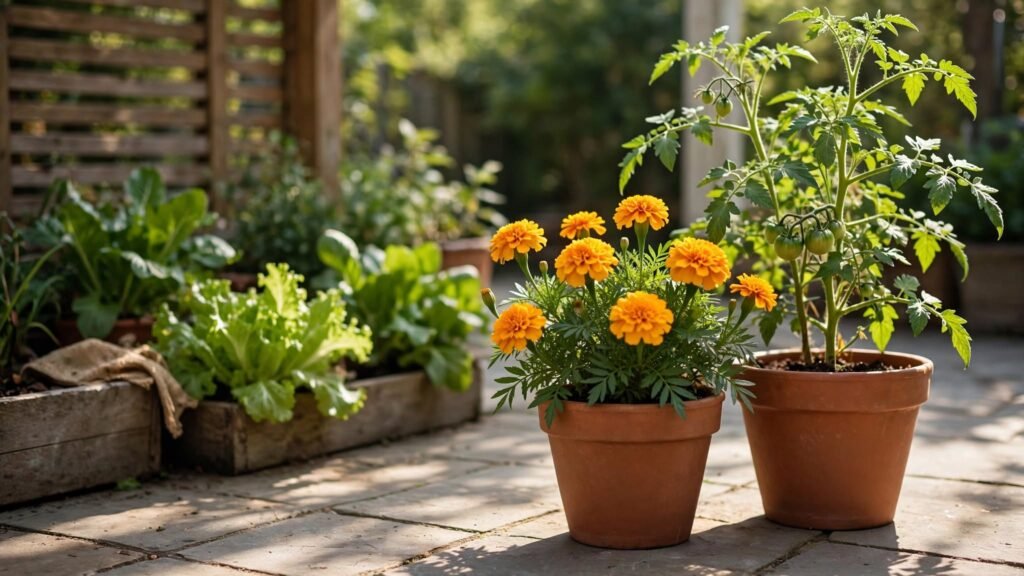
Choose plants based on your goals, climate, available space, and the season. Herbs such as basil, mint, and parsley can be rewarding in containers, though mint is best kept in its own pot because it spreads quickly. Radishes and leafy greens can be quick options in suitable weather. Marigolds and zinnias bring cheerful color, while hardy local flowers may need less attention once established. Tomatoes can be satisfying, but they need sufficient sunlight, steady moisture, and support as they grow.
Read the plant label or seed packet before buying anything. It usually explains the recommended planting time, sunlight, spacing, and watering needs. Avoid choosing a plant simply because it looks beautiful at the nursery; check that you can provide what it needs. For the easiest start, select two or three plants with similar light and water requirements so that caring for them is more straightforward.
4. Gather a Few Basic Gardening Tools
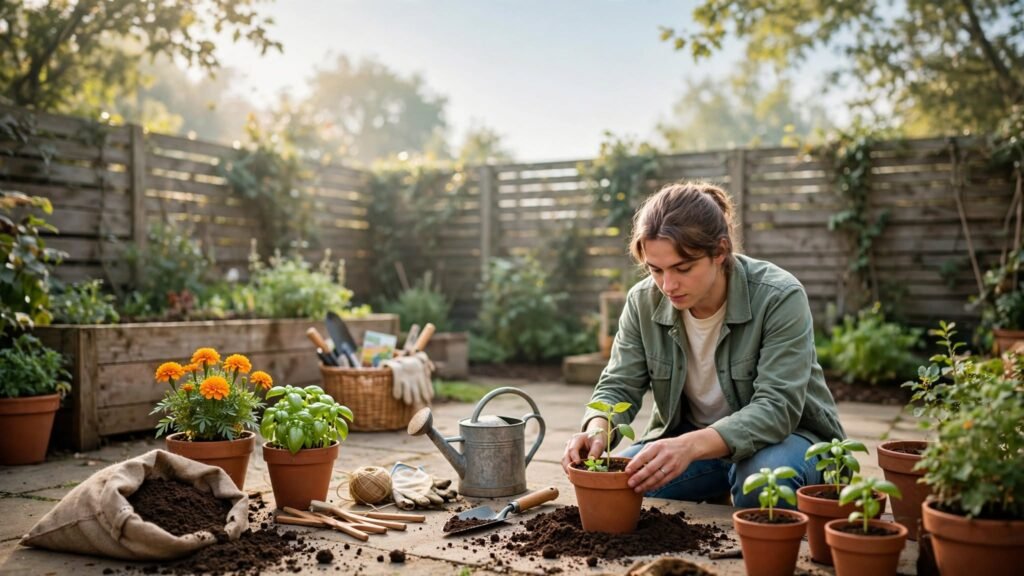
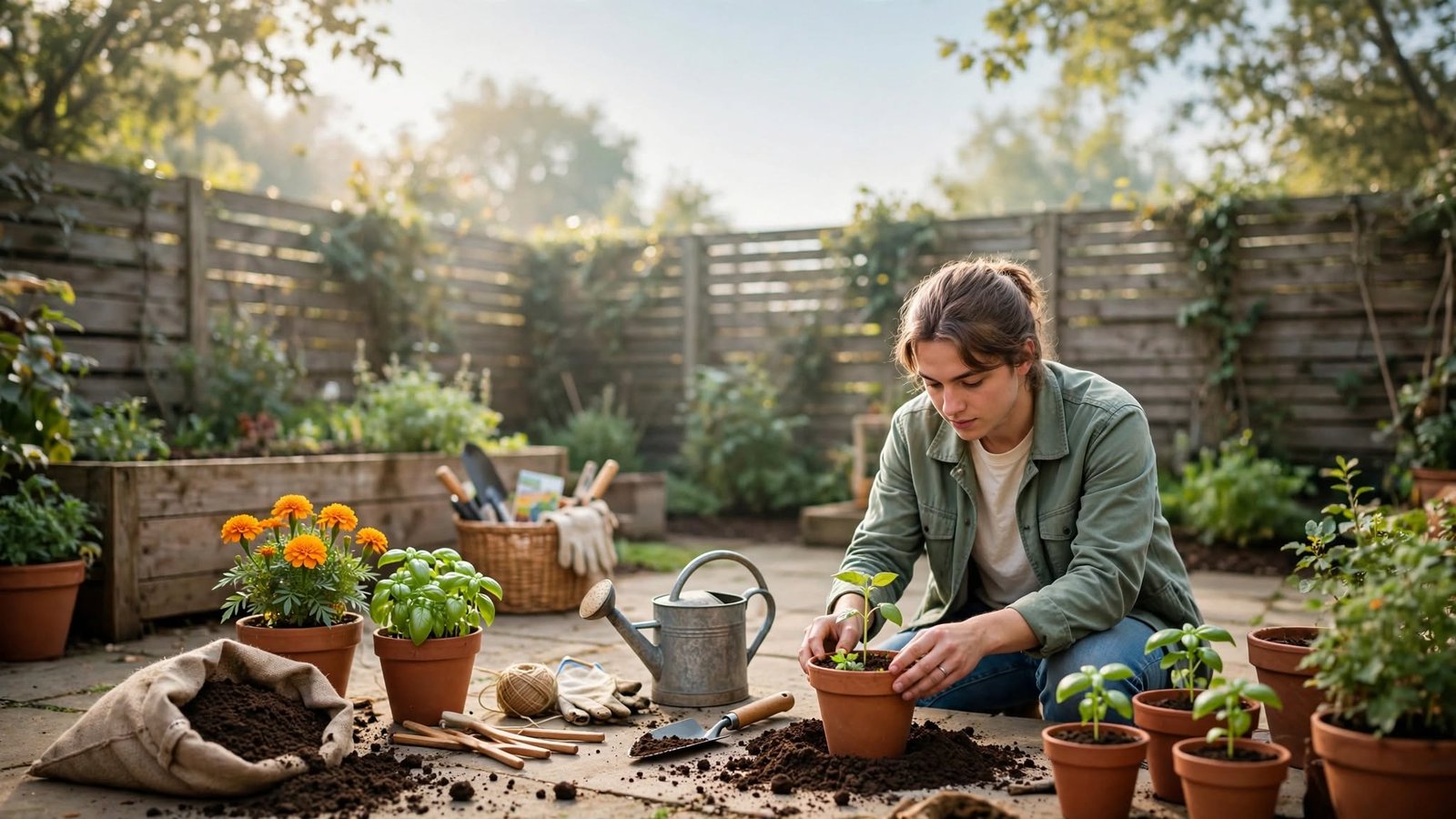
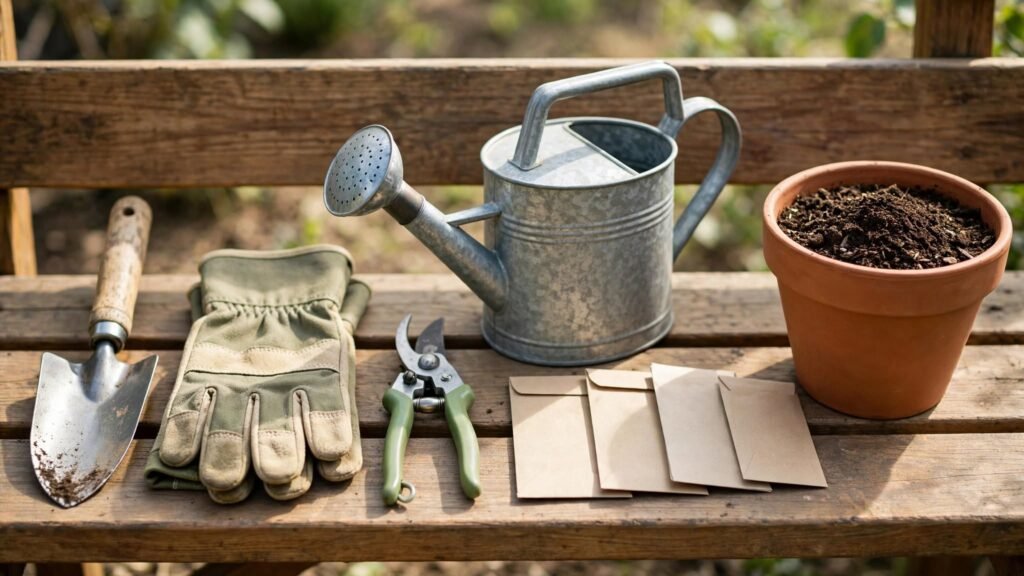
You do not need a shed full of equipment to begin. A small hand trowel helps you dig planting holes and move potting mix. Gardening gloves can protect your hands, while a watering can or gentle hose nozzle helps you water without washing soil away. A pair of clean pruning snips is useful for harvesting herbs and removing damaged stems, although you may not need one immediately. A bucket or small tub can help carry soil and compost.
If you are using containers, choose pots with drainage holes and saucers where appropriate. Buy tools as your needs become clear instead of purchasing every gadget at once. Clean tools after use and store them in a dry place. Simple, comfortable tools that fit your hands are more useful than expensive equipment that stays unused. Begin with the essentials and add specialized tools only when a real gardening task calls for them.
5. Understand Soil and Choose the Right Growing Mix
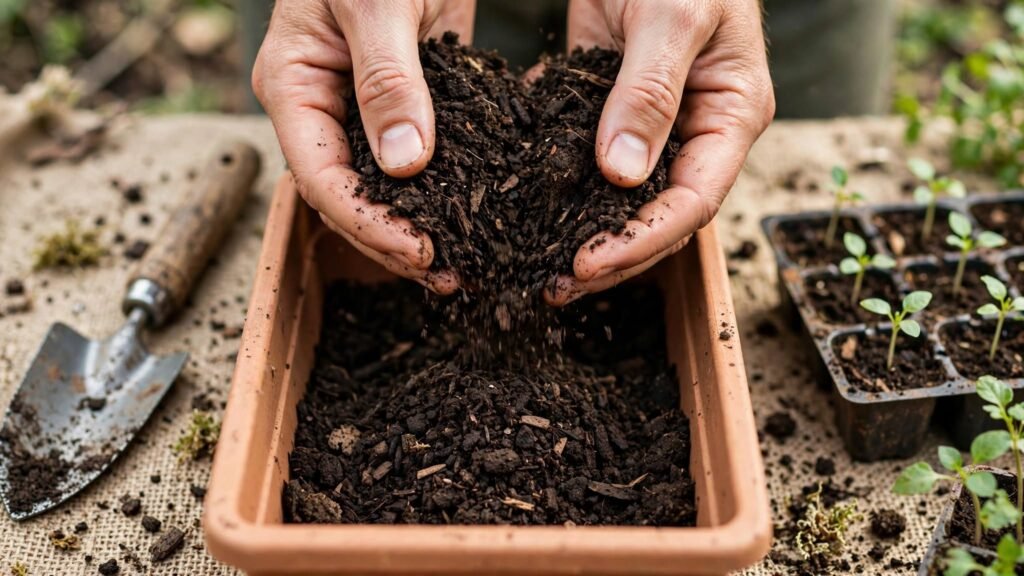
Healthy soil holds moisture while allowing extra water and air to move through it. In garden beds, soil quality varies, so observe whether it is compacted, sandy, or sticky when wet. Adding mature compost can improve many garden soils, but avoid adding large amounts of fertilizer without understanding what the soil needs. For pots, use a quality potting mix designed for containers rather than digging ordinary garden soil into a small pot; garden soil can compact and drain poorly in containers. Choose a container large enough for the plant’s roots and make sure excess water can escape.
Fill the pot without packing the mix tightly, leaving a little room at the top for watering. Different plants have different preferences, so check their labels. You do not need to master soil science before planting. Start with a suitable growing medium, watch how it holds moisture, and make adjustments as you learn.
6. Plant Seeds or Seedlings Correctly
Seeds are often inexpensive and offer many varieties, while seedlings give beginners a head start. Read seed-packet directions carefully because planting depth, spacing, and temperature requirements differ by plant. A common mistake is burying seeds too deeply; some tiny seeds need light or only a very thin covering of mix. Water gently after sowing so seeds stay in place. When transplanting a seedling, make a hole large enough for its root ball, ease the plant from its nursery container, and handle it by the leaves or root ball rather than squeezing the delicate stem.
Place it at the depth recommended for that plant, firm the soil lightly, and water it in. Leave enough space between plants for air circulation and mature growth. Label your pots if you are growing several varieties. Do not worry if every seed does not sprout; germination varies, and a few failures are a normal part of learning.

7. Learn How and When to Water
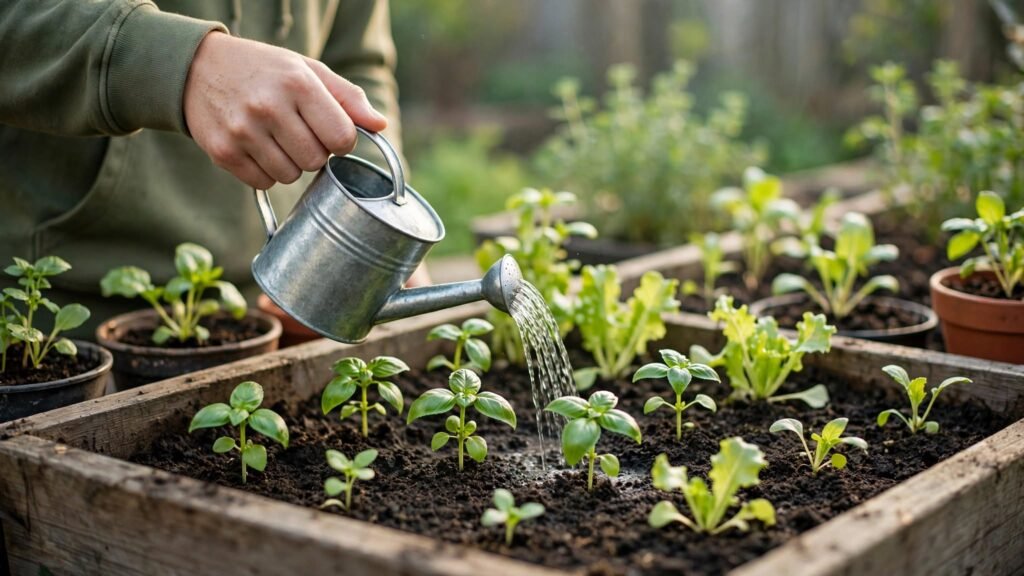
Watering is one of the most important beginner skills, and there is no single schedule that works for every garden. Temperature, wind, pot size, soil, plant type, and growth stage all affect how quickly plants dry out. Before watering, touch the soil near the surface; for many plants, watering is appropriate when the top layer has started to dry, but seedlings and moisture-loving plants may need more frequent checks. Water slowly around the base so moisture reaches the roots. Containers often dry out faster than garden beds, especially during hot or windy weather.
At the same time, constantly soggy soil can deprive roots of oxygen and encourage root problems. Check pots daily during hot weather, but let soil conditions guide your decision rather than following the calendar blindly. Water in the morning when practical, and adjust after rain. With practice, you will become better at recognizing when your plants need a drink. For more detailed advice, read How Often Should You Water a Garden? to learn how weather, soil moisture, and plant type affect your watering routine.
8. Give Plants the Right Amount of Sunlight
Sunlight supplies the energy plants use to grow, but different plants need different amounts. Many fruiting vegetables, including tomatoes and peppers, perform best with plenty of direct sun, while some leafy greens and ornamental plants tolerate partial shade. Check plant labels and observe your garden as the sun moves. A spot that looks bright in the morning may be shaded for much of the afternoon. If plants become tall and stretched with pale leaves, they may not be getting enough light, although other problems can cause similar symptoms.
Leaves that look scorched or wilted during intense heat may need protection from harsh afternoon sun, depending on the species and local conditions. Move portable pots gradually if you need to adjust their position. Do not assume every plant wants the sunniest place. Choose plants that match your light conditions and group plants with similar needs together. Not sure whether your garden gets enough sun? Read How Much Sunlight Does a Garden Need? to understand the light requirements of different plants.
9. Feed Plants Carefully and Watch for Weeds
Plants need nutrients, but more fertilizer does not automatically mean better growth. Start with a suitable potting mix or garden soil improved with mature compost, then follow the plant’s care instructions before adding fertilizer. Too much fertilizer can damage roots or encourage leafy growth at the expense of flowers or fruit. If you use a packaged product, follow its label and keep it away from children and pets. Weeds compete with garden plants for light, water, and nutrients, so remove small weeds while their roots are easy to lift.
In beds, a layer of suitable organic mulch can help reduce weeds and slow moisture loss; keep mulch from pressing directly against plant stems. Learn to distinguish weeds from seedlings before pulling unfamiliar growth. A quick weekly check is often enough for a small garden. Consistent, gentle maintenance usually works better than waiting until weeds or plant problems become difficult to manage.

10. Check Your Garden Regularly and Learn From Problems
Spend a few minutes several times a week looking closely at your plants. Notice new growth, leaf color, soil moisture, insect activity, and any changes in shape. A few insects are normal and may even be helpful, so identify a problem before treating it. If leaves develop spots, yellowing, or holes, consider several possible causes, including watering, sunlight, nutrients, weather, and pests. Remove badly damaged leaves when appropriate, improve airflow, and use the least disruptive solution that suits the identified problem. Avoid spraying products simply because you see an insect; some insects pollinate flowers or eat pests. Take photos or keep a small notebook to track planting dates, watering changes, and results. This helps you recognize patterns and avoid repeating mistakes. Gardening rarely goes perfectly, even for experienced growers. Each problem offers useful information about what your plants need and what you might change next time.

11. Make a Simple Weekly Gardening Routine
A routine helps you care for plants without feeling that gardening takes over your day. Check soil moisture, look for pests, remove weeds, and notice new growth on a regular schedule. Water whenever conditions and plant needs indicate it is necessary, rather than automatically watering every day. Harvest herbs and vegetables when they are ready, using clean tools and following the guidance for each crop. Remove fallen diseased leaves and clear away dead plant material when appropriate. Once a week, review whether plants have enough space, sunlight, and support.
Keep your routine flexible because rain, heat, and seasonal changes affect the garden. If you travel or have a busy week, choose plants suited to the amount of care you can realistically provide. A short, consistent check is often more useful than an occasional long session after problems have built up. The goal is to make gardening a pleasant habit that fits your life.

12. Be Patient and Celebrate Small Progress
Plants grow at their own pace, and weather can make progress faster or slower than expected. A seed may take days or weeks to germinate depending on the species and conditions, and some plants need time to recover after transplanting. Avoid digging up seeds repeatedly to check them or making several major changes at once. Give plants suitable conditions, then observe their response. Celebrate small wins: the first sprout, a new leaf, a flower opening, or your first handful of herbs. If a plant fails, think about what you can learn rather than treating it as proof that you are bad at gardening.
You may have planted at the wrong time, chosen a plant unsuited to the light, or watered too much or too little. Keep trying with one or two adjustments at a time. Confidence develops through observation and repetition. With each growing season, you will better understand your space and the plants that thrive there.

Conclusion
Starting gardening with no experience is easier when you keep your first steps small, choose plants suited to your space, and learn the basics one at a time. You do not need a large yard or expensive equipment; a few containers, good potting mix, simple tools, and beginner-friendly plants can be enough to begin. Pay attention to sunlight, check soil moisture before watering, and follow the planting instructions for each seed or seedling. Regular observation helps you notice problems early and understand what your plants need. Most importantly, give yourself permission to learn gradually. Every garden develops differently because climate, soil, weather, and plant varieties all influence the results. Instead of aiming for perfection, focus on creating a routine you can maintain and enjoying the process of caring for living things. Even a tiny garden can become a rewarding part of your home throughout your first growing season.
As your confidence grows, expand your garden slowly and try one new plant or technique at a time. Keep notes about what you plant, where you place it, and how it responds to watering and sunlight. These simple records can help you make better choices in the next season and avoid repeating the same mistakes. If a plant struggles, look for the cause before giving up; it may need a different location, better drainage, more suitable timing, or a change in care. Choose plants that fit your local growing conditions rather than expecting every variety to thrive everywhere. Remember that gardening is not only about harvesting vegetables or seeing flowers bloom. It also gives you an opportunity to spend time outdoors, notice seasonal changes, and build patience through small daily gardening actions. Start with what you have, stay curious, and let your garden grow along with your experience.
Frequently Asked Questions (FAQ’s)
Yes. Begin with a few easy plants, learn their light and watering needs, and add more as you gain confidence.
Basil, mint in a separate pot, marigolds, and suitable leafy greens can be approachable choices. The best option depends on your climate, season, and sunlight.
No. You can grow many herbs, flowers, and compact vegetables in containers on a balcony, patio, doorstep, or suitable sunny windowsill.
There is no universal schedule. Check soil moisture, weather, container size, and plant needs, then water thoroughly when appropriate without keeping the soil constantly soggy.
Start with a hand trowel, watering can, gloves if you prefer them, containers with drainage holes, and suitable potting mix. Add tools only when needed.
Common causes include too much or too little water, unsuitable sunlight, poor drainage, planting at the wrong time, or pest problems. Check conditions before changing several things at once.