How to Choose the Right Plants for Your Garden
Choosing the right plants for your garden is one of the most important steps toward creating a beautiful, healthy, and easy-to-maintain outdoor space. Whether you dream of colorful flower beds, a productive vegetable garden, a peaceful backyard, or a collection of plants in containers, selecting suitable plants can make your gardening journey much more enjoyable. However, with so many flowers, shrubs, herbs, vegetables, and ornamental plants available, beginners may find it difficult to decide which varieties will thrive. The secret is to choose plants according to your garden’s sunlight, soil, climate, available space, and maintenance requirements rather than simply buying the most attractive options.
When you understand your garden’s conditions and the needs of different plants, you can create a thriving space that looks beautiful throughout the seasons. In this guide, you will learn how to evaluate your garden, choose suitable plants, combine different varieties, and avoid common mistakes so you can grow a garden that suits your lifestyle and gardening goals. If you are new to gardening, start by learning how to start a garden from scratch before selecting plants for your outdoor space.
1. Understand Your Garden’s Sunlight Conditions
Sunlight is one of the first things to consider when choosing plants. Every plant has different light requirements, and placing a sun-loving variety in deep shade or a shade-loving plant in intense sunlight can lead to weak growth, fewer flowers, or damaged leaves. Before purchasing plants, observe how sunlight moves across your garden during the day. Notice which areas receive direct morning sunlight, strong afternoon sunshine, filtered light, or almost no direct sunlight.
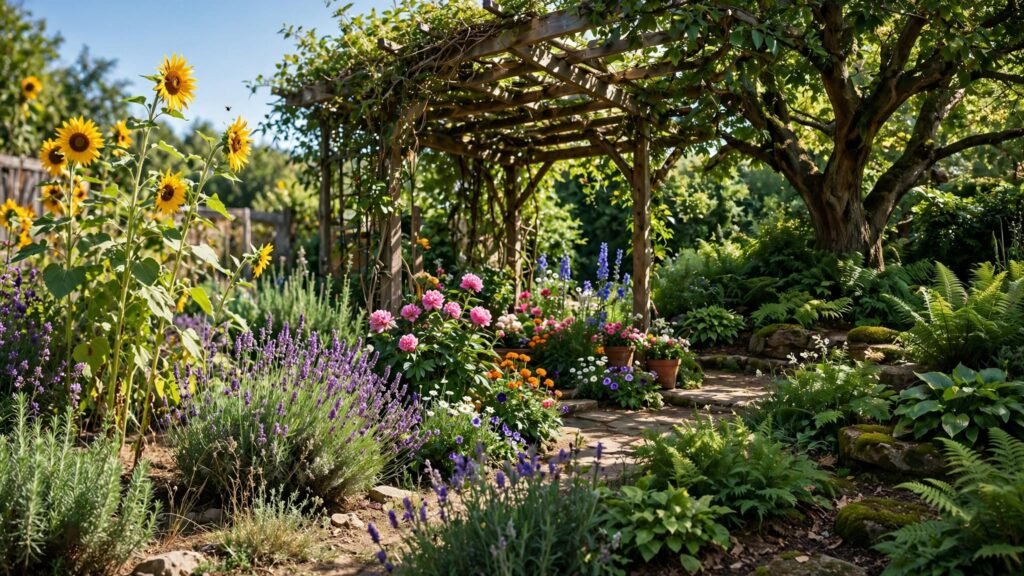
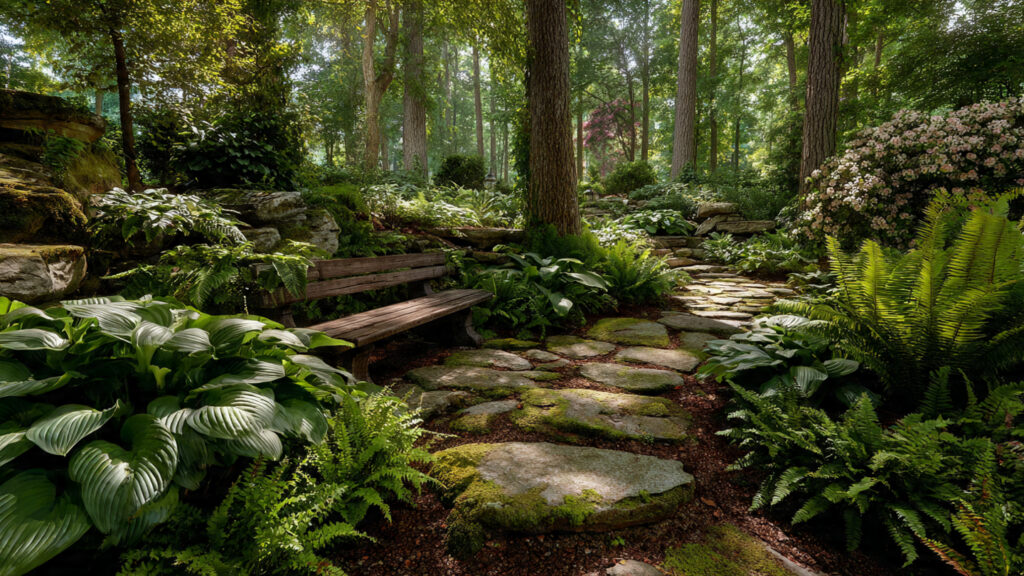
Full-sun plants generally need around six or more hours of direct sunlight daily, although exact requirements vary by species and climate. Tomatoes, sunflowers, lavender, and many flowering annuals perform well in sunny locations. Partial-shade plants usually benefit from a combination of sunlight and shade, while shade-tolerant plants such as many ferns and hostas are better suited to areas with limited direct sunlight. Remember that intense afternoon sunshine in hot climates can be more stressful than gentle morning light. Matching each plant to the light available in your garden will give it a much better chance of thriving.
2. Check Your Soil Type and Quality
Healthy soil provides the foundation for strong roots, healthy leaves, and abundant flowers or vegetables. Before selecting plants, learn what kind of soil you have. Sandy soil drains quickly but may struggle to retain water and nutrients. Clay soil holds moisture and nutrients but can become compacted and drain poorly. Loamy soil contains a useful balance of sand, silt, and clay, making it suitable for many garden plants. Having the right equipment makes preparing soil and planting seedlings easier, so explore these essential gardening tools for beginners before starting your garden.
You do not need perfect soil to create a successful garden. Instead, select plants that tolerate your existing conditions and improve the soil where necessary. Adding suitable organic matter, such as mature compost, can improve the structure of many soils. However, avoid adding amendments without understanding your soil’s needs. A soil test can help you identify its pH and nutrient levels, especially when planning a vegetable garden or growing plants with particular requirements.
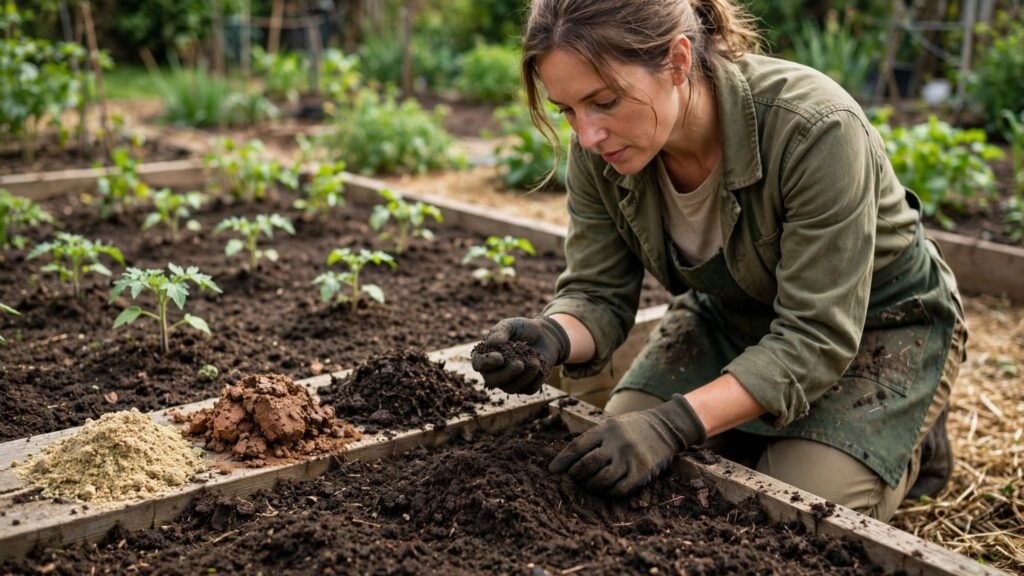
Soil pH also matters because it affects how easily plants absorb nutrients. Some plants prefer slightly acidic soil, while others tolerate neutral or alkaline conditions. Research the needs of your chosen varieties before planting. By understanding soil texture, drainage, fertility, and pH, you can avoid unnecessary problems and choose plants that are naturally suited to your garden.
3. Choose Plants Suitable for Your Local Climate
Your local climate influences which plants can survive, grow, and flower successfully. Temperature, rainfall, humidity, seasonal changes, and extreme weather all affect plant health. A variety that thrives in a cool climate may struggle during a hot summer, while a tropical plant may suffer in a region with cold winters.
Before buying plants, research varieties suited to your region. Check their temperature tolerance, preferred growing season, and water requirements. If you live in an area with hot summers, consider heat-tolerant flowers, herbs, and vegetables. In regions with heavy rainfall, look for plants that tolerate moisture and ensure the garden has adequate drainage. Where water is limited, drought-tolerant plants can help reduce irrigation needs after they become established.
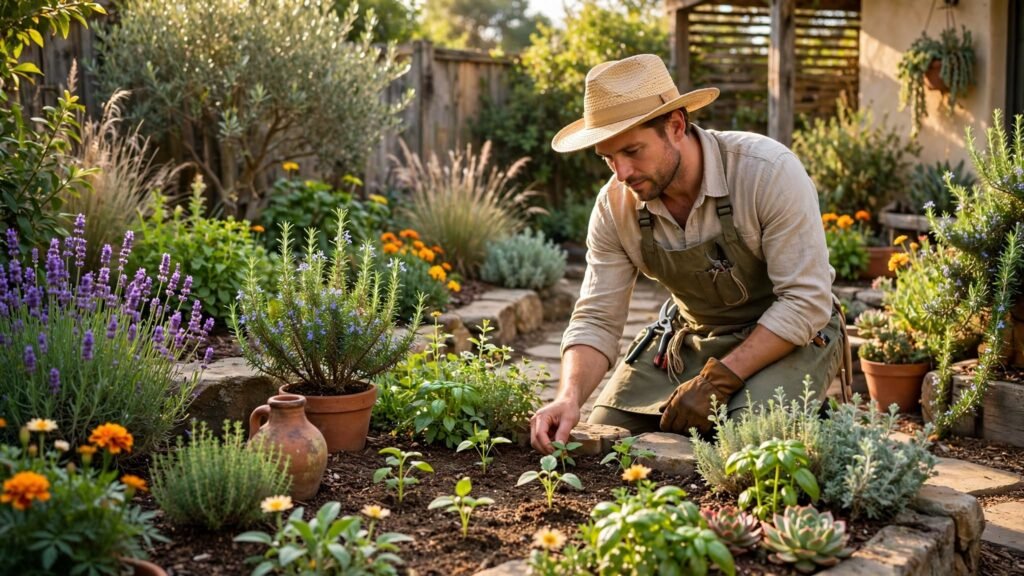
Pay attention to the difference between annuals, perennials, and plants that remain evergreen in your climate. Annuals typically complete their life cycle in one growing season, while perennials can return for several years under suitable conditions. Some plants that are perennial in warm regions may behave as annuals in colder areas. Local nurseries and experienced gardeners can offer valuable advice about varieties that perform well nearby.
4. Decide What You Want From Your Garden
Before choosing plants, think about the purpose of your garden. Your goals will help narrow the options and prevent you from buying plants that do not fit your needs. Some gardeners want colorful flowers and attractive landscaping, while others prefer fresh vegetables, fragrant herbs, privacy, wildlife-friendly planting, or a relaxing outdoor retreat.
If you want a vegetable garden, consider tomatoes, peppers, leafy greens, beans, or other crops suited to your climate and available growing season. For a fragrant herb garden, basil, mint, rosemary, and thyme may be useful options, provided their light, soil, and temperature requirements are met. Flower gardeners can combine annuals for seasonal color with perennials and shrubs for longer-term structure.
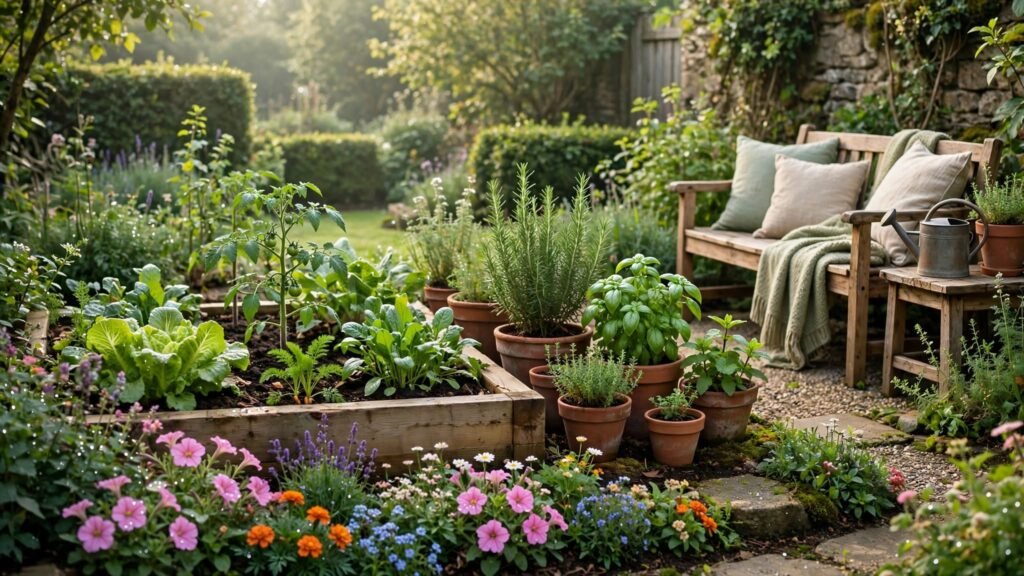
You can also combine different purposes in one garden. For example, a backyard border might include flowering plants, edible herbs, compact shrubs, and plants that attract pollinators. Decide which features matter most before visiting a garden center. A clear plan helps you spend your budget wisely and build a garden that is both attractive and practical.
5. Consider the Space Available for Each Plant
A plant may look small in a nursery pot but grow much larger after a few seasons. That is why it is important to check the mature height and width of every variety before planting. Large shrubs and trees need sufficient room for their roots, branches, and surrounding plants. Crowded planting can reduce airflow, increase competition for water and nutrients, and make maintenance more difficult.
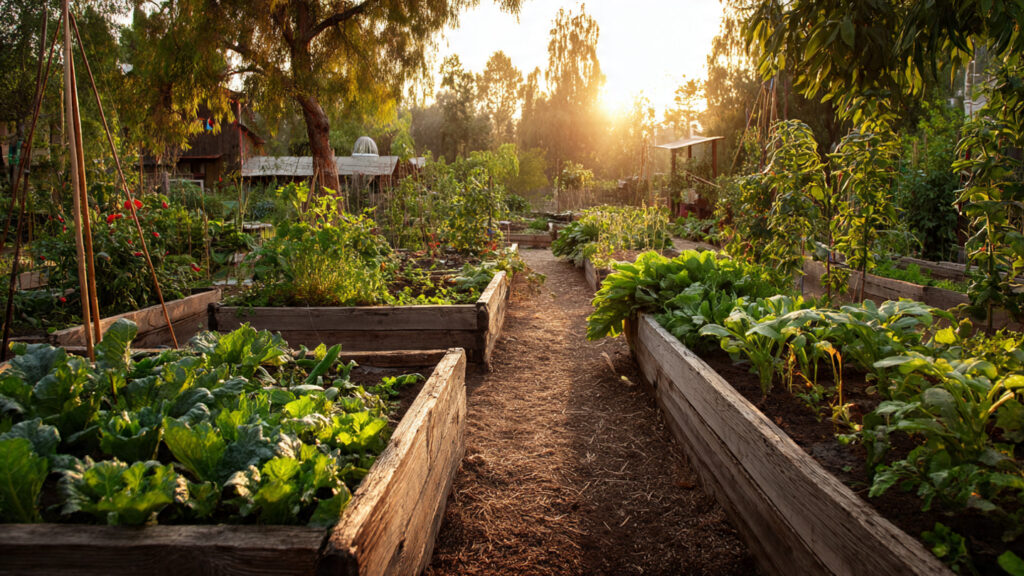
If you have a small backyard, balcony, or patio, choose compact varieties, dwarf shrubs, container-friendly flowers, or plants that grow vertically. Trellises can support climbing plants such as beans and certain flowering vines, while hanging baskets and wall planters help use vertical space. Raised beds can also make planting easier and help you organize a small vegetable garden.
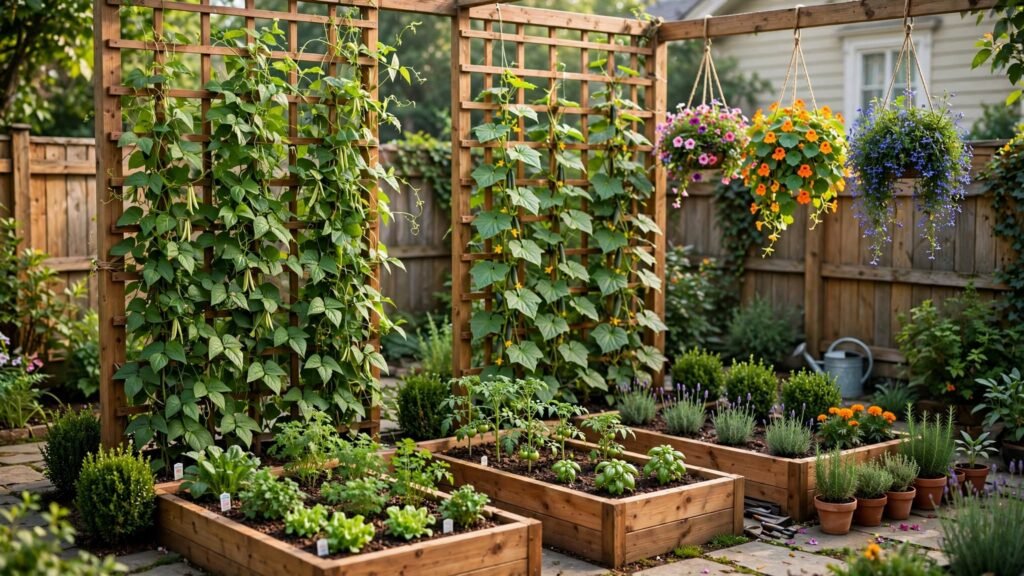
Think about the mature shape of each plant as well as its size. Place taller plants where they will not block sunlight from shorter varieties, and leave enough space to water, prune, and harvest comfortably. Reading plant labels and spacing recommendations before planting can save time and money. Proper spacing creates a more attractive garden and gives each plant a better opportunity to develop strong, healthy growth.
6. Select Plants According to Your Gardening Experience
Your experience level should influence your plant choices. Beginners often benefit from starting with hardy, adaptable plants that tolerate minor mistakes and do not require complicated care. Choosing easy-to-grow varieties can help you build confidence while learning about watering, soil preparation, pruning, and pest management.
Depending on your local climate, suitable starter plants may include marigolds, zinnias, basil, mint, leafy greens, or certain types of beans. However, no plant is completely effortless, and even beginner-friendly varieties need the right light, moisture, and growing conditions. Check individual care requirements before planting.
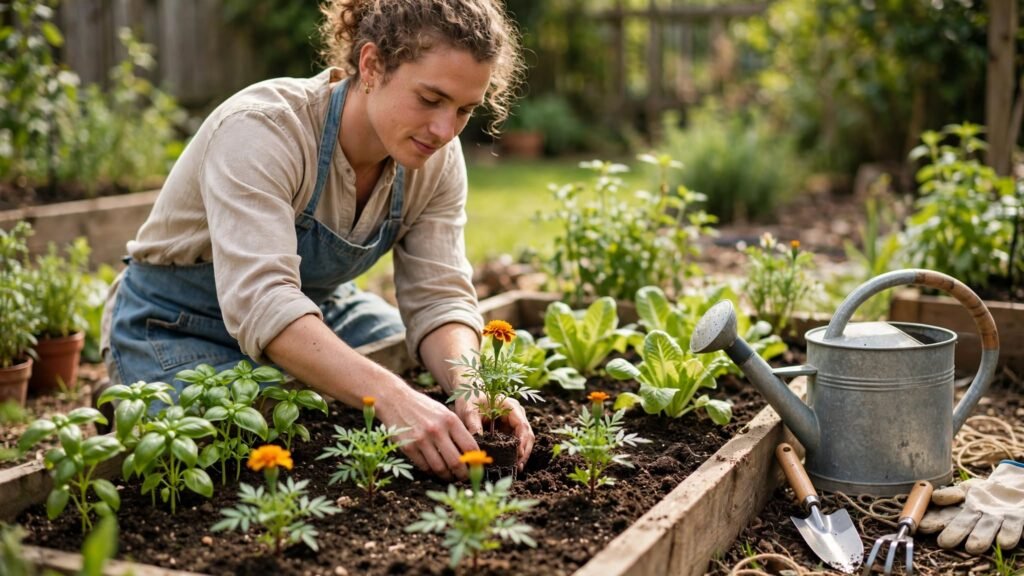
If you have more gardening experience, you might enjoy growing plants that need specific pruning techniques, careful feeding, or more precise environmental conditions. You can gradually introduce these varieties as your skills develop. Start with a manageable number of plants instead of filling every available space at once. A small, healthy garden is often more rewarding than a large garden that becomes difficult to maintain. Keep notes about what grows well, which problems occur, and what you would like to try next season.
7. Understand Watering and Maintenance Requirements
Different plants need different amounts of water and attention. Some thrive in consistently moist soil, while others prefer the soil to dry slightly between waterings. Choosing plants with similar water requirements for the same garden bed makes maintenance easier and helps prevent overwatering or underwatering. Once you have selected the right plants, follow these 17 essential gardening tips for beginners to help keep your garden healthy and thriving.
Before selecting a variety, learn how often it generally needs watering, whether it benefits from regular pruning, and how much feeding it requires. Consider how much time you can realistically spend caring for your garden. If you have a busy schedule, prioritize adaptable plants, suitable native species, and established drought-tolerant varieties where appropriate. Remember that even drought-tolerant plants generally need watering while their roots establish.
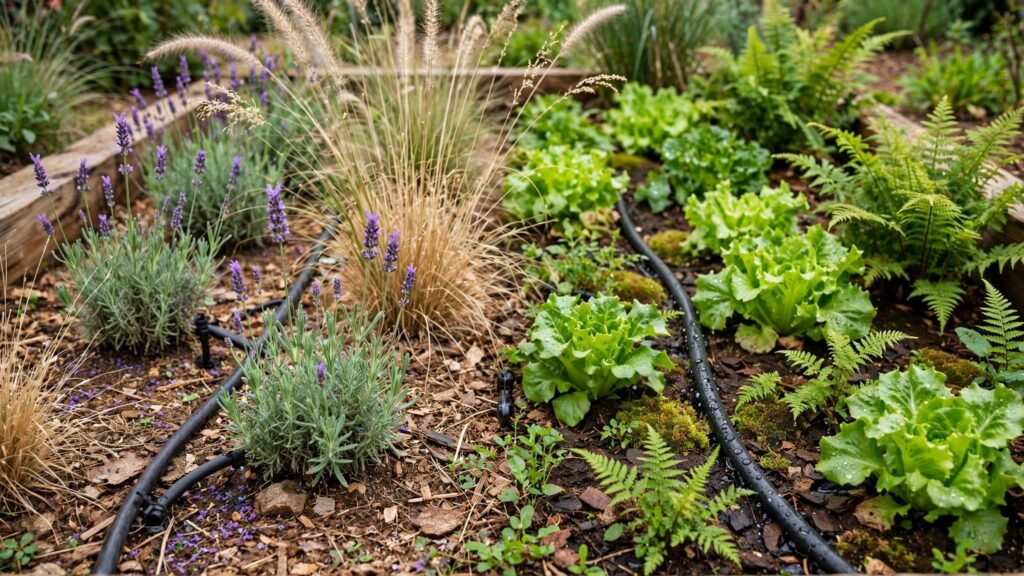
Grouping plants according to their water needs is a practical strategy. Moisture-loving plants can grow together in a suitable location, while plants that prefer drier soil can occupy a separate bed with better drainage. Mulch can help reduce moisture loss and suppress weeds when applied appropriately. Drip irrigation or a simple watering system may also make garden care more convenient. The goal is to choose plants that fit the time, water, and effort you can consistently provide.
8. Combine Colors, Textures, and Plant Heights
A successful garden should support plant health while creating a visually pleasing arrangement. You can achieve this by combining flowers, foliage, shrubs, grasses, and ground covers with different colors, textures, and heights. Instead of choosing every plant individually without a plan, think about how each variety will look beside the others.
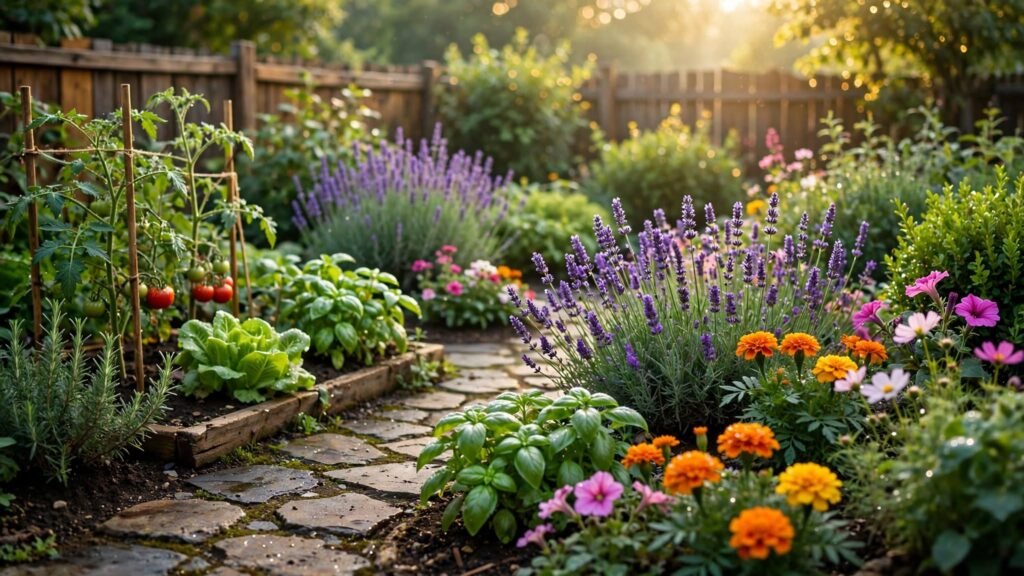
For example, purple lavender can complement yellow or white flowers, while ornamental grasses add movement and texture. Plants with broad leaves can contrast beautifully with delicate foliage. Taller plants can create a backdrop, medium-height plants can fill the center, and low-growing varieties can soften the edges of beds and pathways.
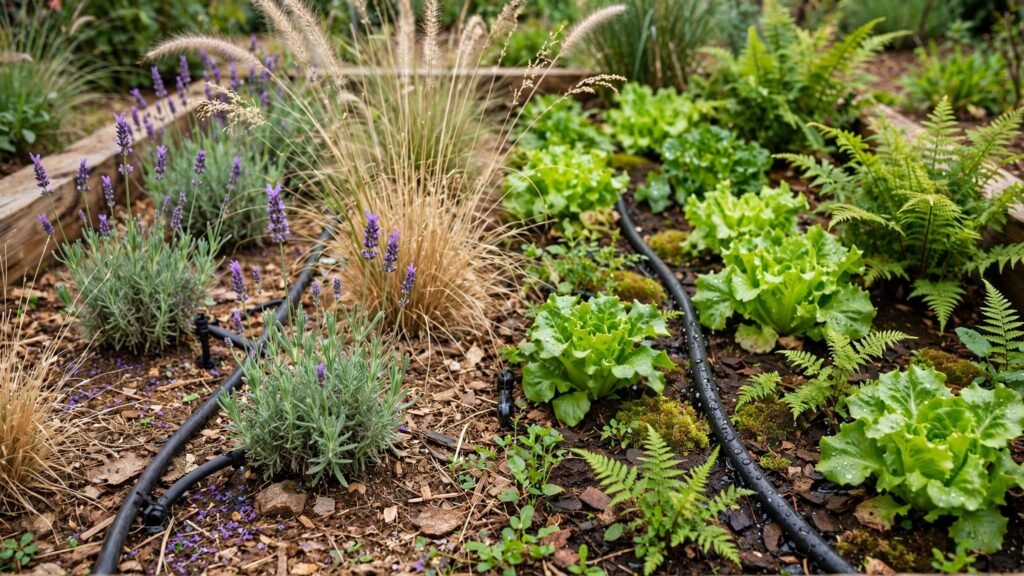
Consider the flowering seasons of your chosen plants. Combining early-, mid-, and late-season bloomers can provide color for longer periods. Evergreen shrubs and attractive foliage can maintain structure when flowers are not blooming. Avoid overcrowding the garden with too many competing colors or plant shapes. Repeating a few varieties throughout the space often creates a more cohesive appearance. A simple planting plan that balances height, color, texture, and seasonal interest can make even a small garden feel professionally designed.
9. Choose Native and Pollinator-Friendly Plants
Native plants are adapted to the natural conditions of their region and can be valuable choices for gardens when matched to the site. Depending on the species and location, they may support local pollinators and other wildlife, tolerate regional weather, and require less intervention once established. However, native plants still need suitable soil, light, and watering during establishment.
To create a pollinator-friendly garden, look for locally appropriate flowering plants that provide nectar and pollen at different times of the year. Choose a mixture of flower shapes and sizes to support different pollinators. Avoid treating every insect as a pest; many insects contribute to pollination or help control harmful species.
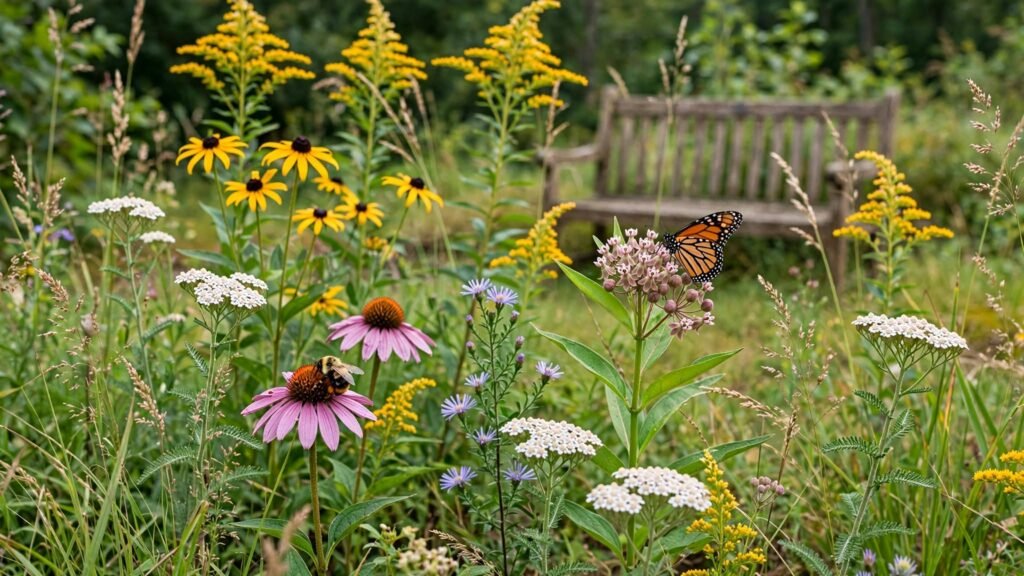
You can also include plants that provide shelter or food for birds and beneficial insects. Reduce unnecessary pesticide use and follow label instructions whenever a treatment is required. Because native species differ by region, consult a local nursery, botanical garden, or agricultural extension service for recommendations. Invasive plants should be avoided because they can spread beyond the garden and harm local ecosystems. Thoughtful plant selection can make your garden more lively while contributing to a healthier environment.
10. Read Plant Labels Before Buying
Plant labels provide important information that can help you make informed choices. They commonly describe sunlight requirements, mature size, watering preferences, flowering periods, hardiness, and recommended spacing. Some labels also mention soil pH, pruning needs, or whether the plant is suitable for containers.
Read the label carefully rather than relying only on the appearance of a plant at the garden center. A flowering plant may look healthy in a nursery but still be unsuitable for your garden’s conditions. Check whether the plant is an annual or perennial in your climate and whether it may become too large for the intended location.
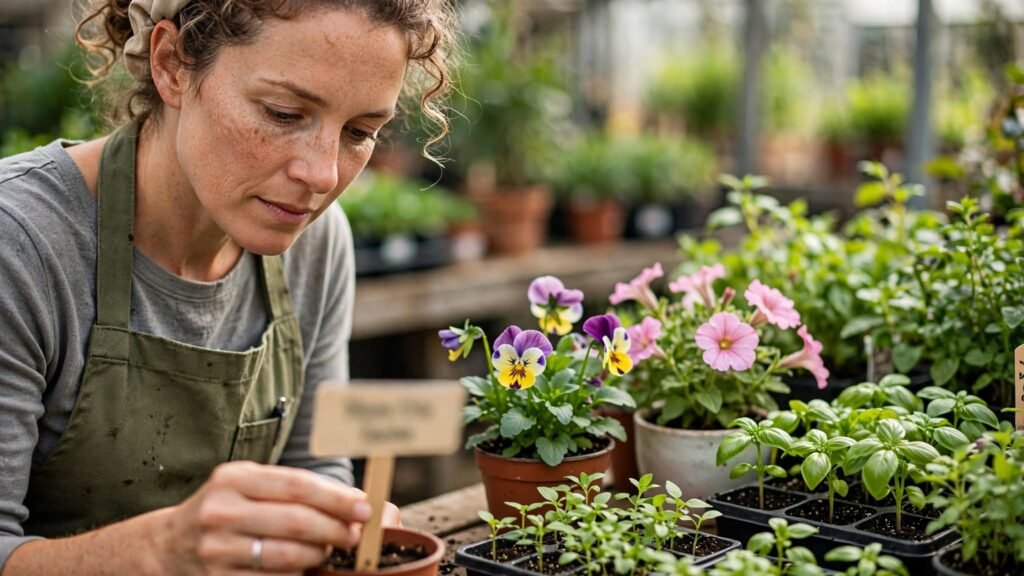
Inspect the plant itself before purchasing it. Choose specimens with healthy-looking leaves, sturdy stems, and no obvious signs of pests, rot, or severe damage. Check the undersides of leaves and avoid plants with widespread discoloration or sticky residue. Roots should not be severely damaged or excessively congested. Ask nursery staff about local performance and care requirements when information is unclear. Taking a few minutes to check labels and plant health can prevent disappointment later.
11. Plan for Seasonal Changes and Long-Term Growth
A garden changes throughout the year, so choose plants with their full life cycle in mind. Some flowers bloom for only a few weeks, while others provide color for months. Trees and shrubs may take years to reach their mature size, and some vegetables need a particular season to produce well.
Create a simple seasonal planting calendar for your region. Note when to sow seeds, transplant seedlings, prune shrubs, and expect flowering or harvesting. This is especially important in climates with extreme summer heat, monsoon rainfall, or cool winters. Local growing calendars are generally more useful than following a schedule designed for a different region.
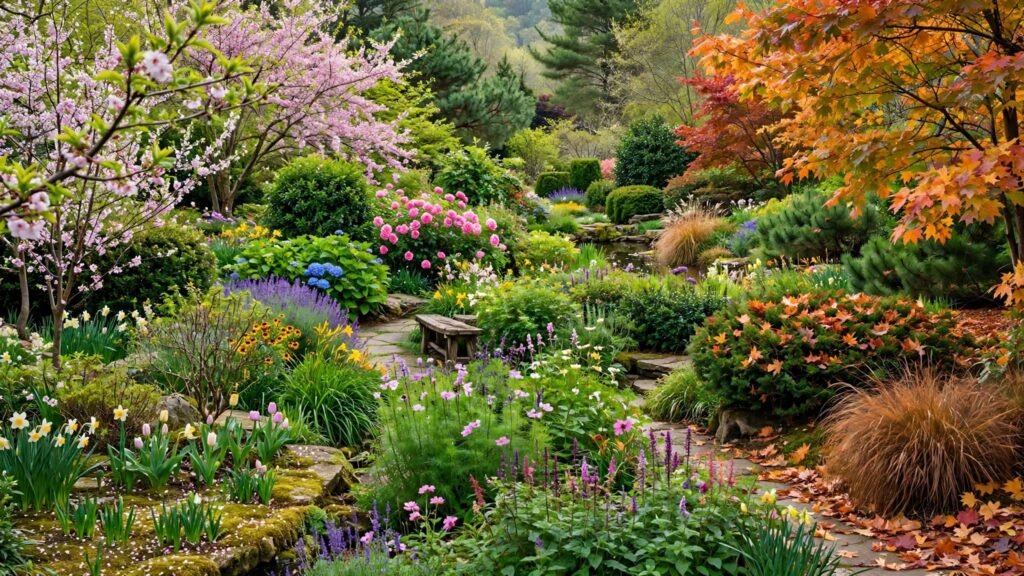
Combine plants that provide interest at different times. Spring flowers, summer blooms, autumn foliage, seed heads, evergreen shrubs, and attractive bark can each contribute to the garden’s appearance. Think beyond the first few weeks after planting. Consider whether a tree will shade nearby plants, whether a shrub will outgrow a pathway, and whether perennials will spread over time. Planning for future growth helps maintain a balanced garden and reduces the need for expensive replacements.
12. Avoid Common Plant Selection Mistakes
One common mistake is choosing plants simply because they look attractive without checking their requirements. Another is purchasing too many varieties at once, leaving little room for plants to mature. Gardeners may also overlook drainage, ignore the amount of sunlight available, or choose plants that require more maintenance than they can provide.
Avoid placing water-loving plants in dry soil or moisture-sensitive plants in locations that remain waterlogged. Do not assume that every plant marketed as easy-care will thrive in every garden. Similarly, avoid selecting potentially invasive species or planting large trees too close to buildings, paths, and underground services.
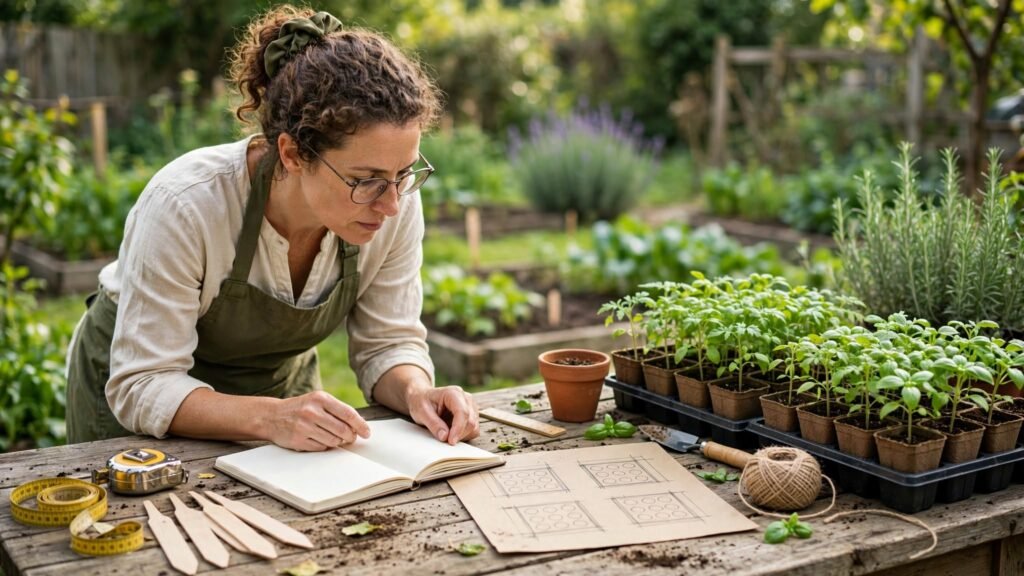
A practical way to prevent these mistakes is to make a short checklist before shopping. Record the sunlight, soil conditions, available space, water supply, climate, and purpose of each planting area. Then compare those conditions with the requirements of potential plants. Buy a manageable number of healthy specimens and leave adequate space between them. Observe how they respond after planting and adjust your care routine when needed. Learning from small experiments is part of gardening, and a thoughtful selection process will make future decisions easier. For more practical advice on planning, planting, and caring for your garden, explore our Complete Gardening Guide for Beginners.
Conclusion
Choosing the right plants for your garden becomes much easier when you understand the conditions you can provide and the results you want to achieve. Start by observing sunlight, examining your soil, and considering your local climate before selecting flowers, vegetables, herbs, shrubs, or trees. Think carefully about available space, mature plant size, watering needs, maintenance requirements, and your gardening experience. When you match plants to their growing conditions, they are more likely to establish healthy roots, produce attractive foliage, and flower or fruit successfully. You do not need an expensive garden or a large collection of plants to create a beautiful outdoor space. A few well-chosen varieties can make a meaningful difference. Take time to research plants before purchasing them, read their labels, and seek local advice whenever necessary. These simple steps can help you avoid common gardening problems and make better decisions from the beginning. If you want to build your gardening knowledge step by step, read our Gardening for Beginners: Complete Beginner’s Guide for more helpful advice.
Remember that a thriving garden develops gradually, so allow yourself time to learn, experiment, and discover which plants perform best in your space. Combine varieties with complementary colors, textures, heights, and flowering seasons to create a balanced design that remains interesting throughout the year. Consider native and pollinator-friendly plants where appropriate, and group plants with similar watering requirements to simplify routine care. Keep notes about planting dates, growth patterns, and any problems you encounter, using your observations to improve future planting choices. Most importantly, choose plants that fit your lifestyle rather than creating a garden that feels difficult to manage. Whether you grow fresh herbs in containers or develop a colorful backyard border, thoughtful plant selection will help you enjoy the process. Start small, care for your plants consistently, and let your garden grow into a healthy, welcoming space that reflects your personal taste.
Frequently Asked Questions (FAQ’s)
Start by assessing sunlight, soil type, drainage, local climate, and available space. Then choose plants whose growing requirements match those conditions and your preferred level of maintenance.
Depending on your climate, marigolds, zinnias, basil, beans, and some leafy greens can be approachable choices. Select varieties suited to your location and follow their specific growing instructions.
Observe the garden at different times of day and record how many hours of direct sunlight each area receives. Compare your observations with the sunlight requirements listed on plant labels.
A soil test is helpful, especially for vegetable gardens or plants with specific nutrient and pH requirements. Also check drainage and soil texture before deciding which plants to grow.
Choose compact varieties, dwarf shrubs, container-friendly plants, and suitable climbing varieties. Check mature plant sizes and spacing requirements to avoid overcrowding.
Locally native plants can support regional wildlife and may adapt well to local conditions. Choose species suited to your specific site, and avoid invasive plants that could spread into surrounding habitats.