How to Read a Plant Care Label: A Beginner’s Guide
Buying a new plant is exciting, whether you are decorating your home with beautiful houseplants, growing colorful flowers, or starting a vegetable garden in your backyard. However, bringing a plant home is only the beginning. To help it grow successfully, you need to understand its basic needs, including sunlight, watering, soil, temperature, and humidity. Fortunately, most plants sold at nurseries and garden centers come with a care label that provides useful information about how to look after them.
For beginners, these labels can sometimes be confusing. You might see terms such as “bright indirect light,” “water when the soil dries,” or “partial shade” without knowing exactly what they mean. Learning how to read a plant care label makes gardening easier and helps you avoid common mistakes. In this guide, you will discover how to understand plant labels, interpret common gardening symbols, identify a plant’s growing requirements, and use the information to create a healthy environment for your plants.
1. Start by Identifying the Plant Name
The first thing to look for on a plant care label is the plant’s name. Many labels include both a common name and a botanical name. The common name is the everyday name people use, such as peace lily, snake plant, marigold, or tomato. The botanical name is the scientific name, which usually consists of two parts: the genus and the species.
For example, a snake plant may be labeled Dracaena trifasciata, while a peace lily may be identified as Spathiphyllum wallisii. Botanical names are useful because common names can vary between regions and sometimes refer to several different plants. Knowing the correct name helps you find more accurate growing instructions and identify the plant’s specific requirements. If you are new to gardening, explore our Complete Gardening Guide for Beginners to learn the basics of choosing plants, preparing soil, watering, and maintaining a healthy garden.
Some labels also mention a cultivar, which is a cultivated variety selected for particular characteristics, such as flower color, leaf pattern, or compact growth. If you see additional words after the botanical name, they may identify this variety. Before leaving the nursery, read the entire plant name and take a photograph of the label. You can use that information later when researching the plant or checking its care requirements.

2. Understand Sunlight Requirements
Sunlight is one of the most important details on a plant care label. Plants need light to produce energy, but different species require different amounts and intensities. A label may say full sun, partial sun, partial shade, or full shade. Understanding these terms helps you choose the right location in your garden or home.
Full sun generally means at least six hours of direct sunlight per day. Many vegetables, including tomatoes and peppers, grow best with plenty of sunshine. Flowering plants such as marigolds also tend to produce more blooms when they receive sufficient light.
Partial sun often means approximately four to six hours of sunlight daily, although the exact definition varies by plant and region. Partial shade commonly refers to around two to four hours of direct sunlight or filtered light during part of the day. Plants in these categories may benefit from protection against intense afternoon heat.
Full shade usually means little or no direct sunlight, although shade plants still need some ambient or filtered light to grow. Ferns and some other foliage plants tolerate shaded locations better than sun-loving vegetables.
Houseplant labels may use different terms. “Bright indirect light” means a well-lit location where the sun does not shine strongly and directly onto the leaves. “Low light” means the plant can tolerate less light, not that it can survive in complete darkness. Observe your garden throughout the day before choosing a location. Remember that sunlight intensity changes with the season and climate. Before choosing a location for your plants, read our guide on How to Choose the Right Plants for Your Garden to find varieties that suit your available sunlight and growing conditions.

3. Learn What the Watering Instructions Mean
Watering instructions are among the most useful parts of a plant care label, but they do not always provide a precise schedule. A label may recommend keeping the soil moist, allowing the soil to dry between waterings, or watering regularly during the growing season.
Keep soil moist means maintaining some moisture in the growing medium without leaving the roots constantly waterlogged. Many leafy plants prefer evenly moist soil, but they still need suitable drainage and oxygen around their roots.
Allow the soil to dry between waterings means letting some of the growing medium dry before watering again. Plants such as snake plants and many succulents are vulnerable to root problems when their soil stays wet for too long.
Water regularly means providing water consistently according to the plant’s needs and growing conditions. It does not necessarily mean watering every day.
Check the soil before reaching for your watering can. For many plants, you can gently insert a finger into the top layer of soil to assess moisture. Some plants need the upper few centimeters to dry, while others prefer more consistent moisture. Use the plant’s specific needs as your guide. Container size, drainage holes, temperature, humidity, and sunlight all affect how quickly soil dries. To understand watering needs more clearly, read our guide on How Often Should You Water a Garden? and learn how soil moisture, weather, and plant type influence watering frequency.
A small pot in a warm, sunny location may need water more frequently than a large pot in a cool, shaded area. Instead of following a rigid calendar, learn to recognise when your plant needs water. Always make sure excess water can drain away unless the plant has specialized growing requirements.
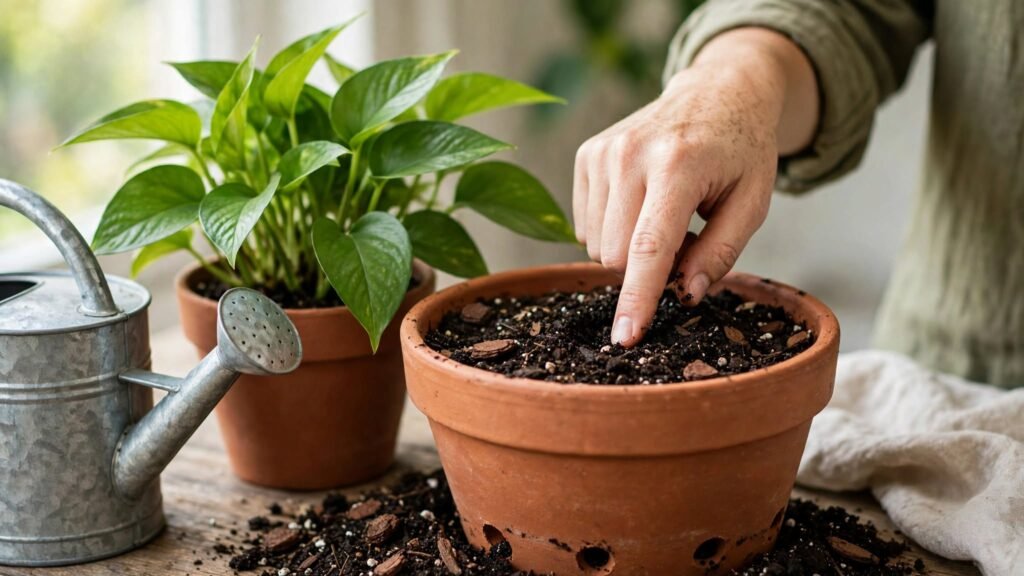
4. Check the Soil and Drainage Information
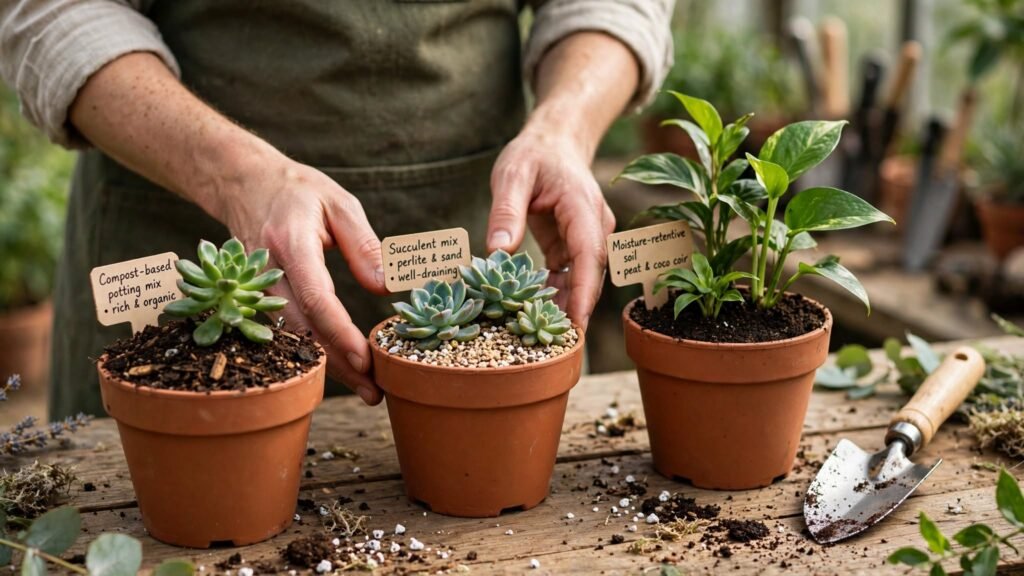
Plant labels sometimes mention well-draining soil, rich soil, sandy soil, moist soil, or a specific potting mix. These descriptions tell you what type of growing medium is most suitable for the plant.
Well-draining soil allows excess water to move through the growing medium instead of remaining around the roots. This is especially important for many succulents, herbs, and plants that dislike prolonged wetness. A suitable container with drainage holes also helps prevent water from accumulating at the bottom.
Moisture-retentive soil holds water for longer. Some moisture-loving plants benefit from this characteristic, although the soil must still provide sufficient air for healthy roots.
Rich, fertile soil contains nutrients and organic matter that support plant growth. Garden compost and other suitable soil amendments can improve many garden beds when used appropriately.
The label may also recommend a particular potting mix. For example, many cacti and succulents benefit from a fast-draining mix, while some tropical houseplants grow well in an airy mixture that balances moisture retention and drainage.
Do not assume that every plant grows best in ordinary garden soil. Container plants often need a purpose-made potting medium because garden soil can become compacted in pots. Similarly, soil preferences differ between plants, so check the label before adding sand, compost, or other amendments.
If the label mentions a preferred soil pH, it is referring to how acidic or alkaline the growing medium is. Some plants tolerate a broad range, while others perform better within a narrower range.
5. Understand Plant Size and Spacing
A plant care label often includes information about the plant’s expected height and width at maturity. This information helps you decide where to place it, how much room to leave around it, and whether it is suitable for a container, border, or small garden. For example, a compact flower may fit comfortably in a window box, while a larger shrub needs enough room for its branches and roots to develop. A plant that looks small in a nursery pot may eventually grow much taller or wider.
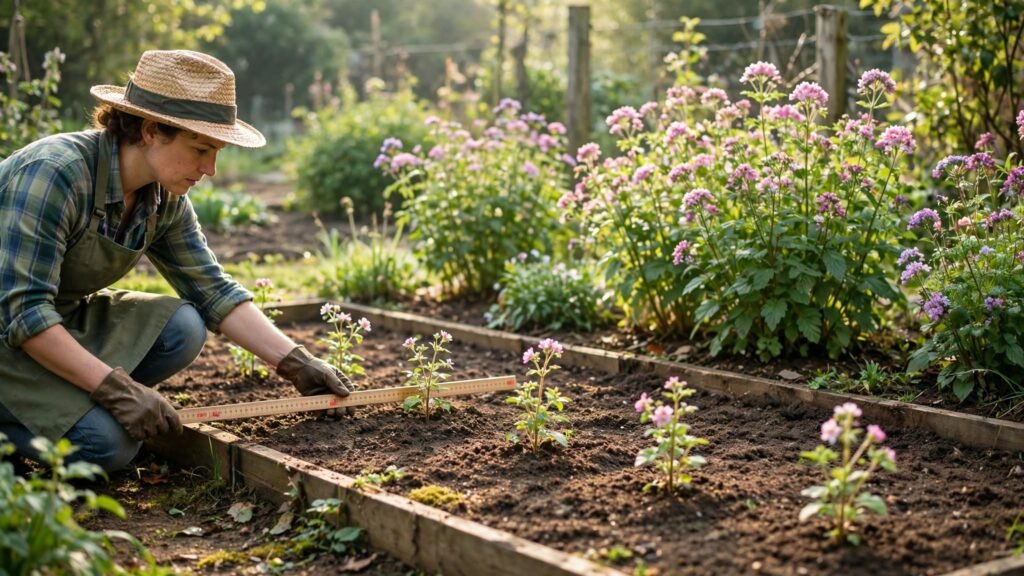
Garden plant labels may also recommend spacing between plants. Proper spacing allows leaves to receive adequate sunlight and gives roots room to access water and nutrients. It can also improve air circulation, helping reduce conditions that encourage certain fungal diseases. If a label recommends spacing plants 12 inches apart, measure the distance between planting positions rather than placing the seedlings close together for an immediately full appearance. Mature size and spacing recommendations are useful starting points, but actual growth depends on climate, soil, variety, and growing conditions.
Pay attention to whether the label describes height at maturity, spread, or both. Height tells you how tall the plant may become, while spread indicates how much horizontal space it may occupy. For indoor plants, mature size is equally important. A small houseplant can eventually outgrow a narrow shelf or crowded windowsill. Choose a location that accommodates future growth instead of focusing only on the plant’s current size.
6. Read the Temperature and Climate Guidance
Temperature affects how quickly plants grow, how much water they use, and whether they can survive outdoors throughout the year. Some plant labels provide a preferred temperature range or identify the plant as frost-sensitive, heat-tolerant, or suitable for particular growing zones.
A frost-sensitive plant can suffer damage when temperatures drop to freezing or near-freezing levels. Tropical houseplants and many warm-season vegetables should be protected from cold conditions. Depending on the plant, protection may involve bringing containers indoors, using suitable covers, or waiting until the danger of frost has passed before planting outdoors.
A heat-tolerant plant can handle relatively warm conditions, but this does not mean it can withstand unlimited heat or dry soil. Even heat-loving plants may require additional water or temporary protection during extreme weather.
If the label lists a hardiness zone, it usually refers to a regional classification based on average annual extreme minimum winter temperatures. In the United States, USDA hardiness zones help gardeners evaluate whether perennial plants can typically survive local winters. They do not guarantee success because rainfall, humidity, soil, summer heat, and local microclimates also matter. For more practical advice on choosing the right growing location, check out How Much Sunlight Does a Garden Need? to understand how different light conditions affect plant growth.
If you live in a region with very hot summers or mild winters, consider the plant’s seasonal requirements rather than relying on a zone number alone. Check local growing guidance and protect sensitive plants from conditions outside their tolerance.

7. Look for Humidity and Indoor Growing Instructions
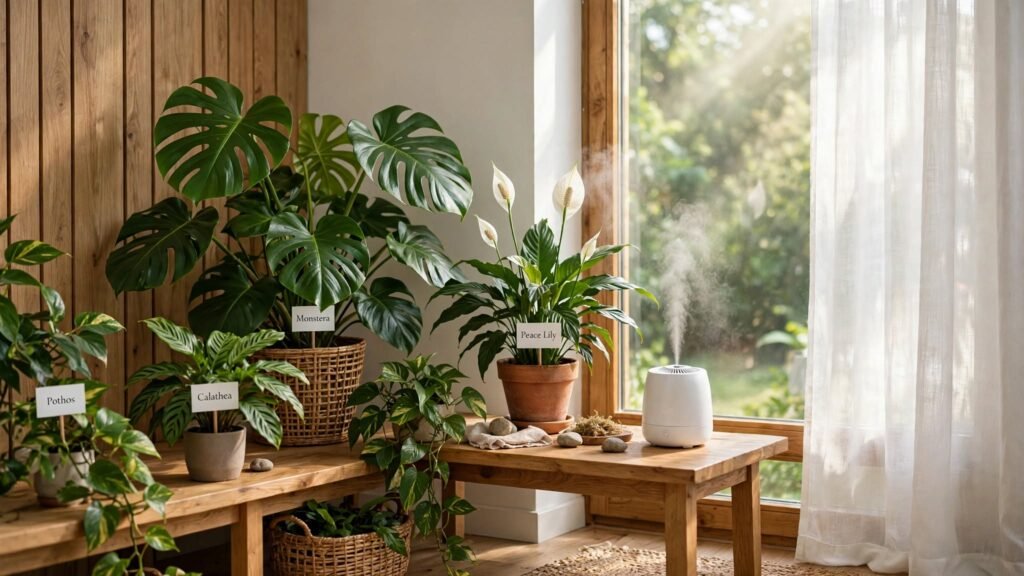
Some plant labels include humidity requirements, especially for tropical houseplants. Humidity describes the amount of moisture present in the air. Plants native to humid environments may develop leaf problems when indoor air becomes very dry, although the response varies by species.
A label that recommends high humidity indicates that the plant may grow better when the surrounding air contains more moisture. Some tropical foliage plants benefit from a naturally humid room or a suitable humidifier. Grouping compatible plants can also create a slightly more humid area around their leaves, although the effect may be limited.
A moderate humidity recommendation generally indicates that ordinary indoor conditions may be suitable, depending on the plant and your home environment. If your houseplant develops brown leaf tips, do not automatically assume humidity is the cause. Water quality, inconsistent watering, fertilizer buildup, and root problems can produce similar symptoms.
Avoid placing plants in locations where sudden temperature changes or strong drafts can stress them. Bathrooms with suitable light may work well for certain humidity-loving plants, while bright living rooms may suit others.
Misting leaves is not a reliable long-term way to raise room humidity because its effect is usually brief. If a plant genuinely needs higher humidity, use a more consistent approach and maintain good air circulation to reduce the risk of leaf disease.
8. Understand Fertilizer and Feeding Instructions
Plant care labels may explain whether a plant needs regular feeding, occasional fertilizer, or little additional nutrition. Fertilizer supplies nutrients that support healthy growth, flowering, and fruit production, but the right amount depends on the plant and its growing medium. A label might recommend feeding during the growing season, applying a balanced fertilizer, or using a product formulated for a specific plant type. These instructions help you understand when feeding may be useful.
Balanced fertilizer generally refers to a product containing the three primary plant nutrients: nitrogen, phosphorus, and potassium. They are represented on fertilizer packaging by the N-P-K numbers. Nitrogen supports leafy growth, phosphorus plays several roles in plant energy processes and root development, and potassium contributes to overall plant function.
Do not assume that more fertilizer will produce a healthier plant. Excess fertilizer can damage roots, contribute to salt buildup, and encourage unbalanced growth. Follow the product label and the plant’s care instructions, especially for young plants and recently repotted specimens.
Some potting mixes already contain fertilizer, so additional feeding may not be needed immediately. Certain plants also require less fertilizer during cooler months or periods of slower growth. Read the label for feeding frequency, dilution instructions, and seasonal recommendations. When the instructions are unclear, use a suitable fertilizer product’s directions rather than guessing.

9. Learn What Common Plant Care Symbols Mean
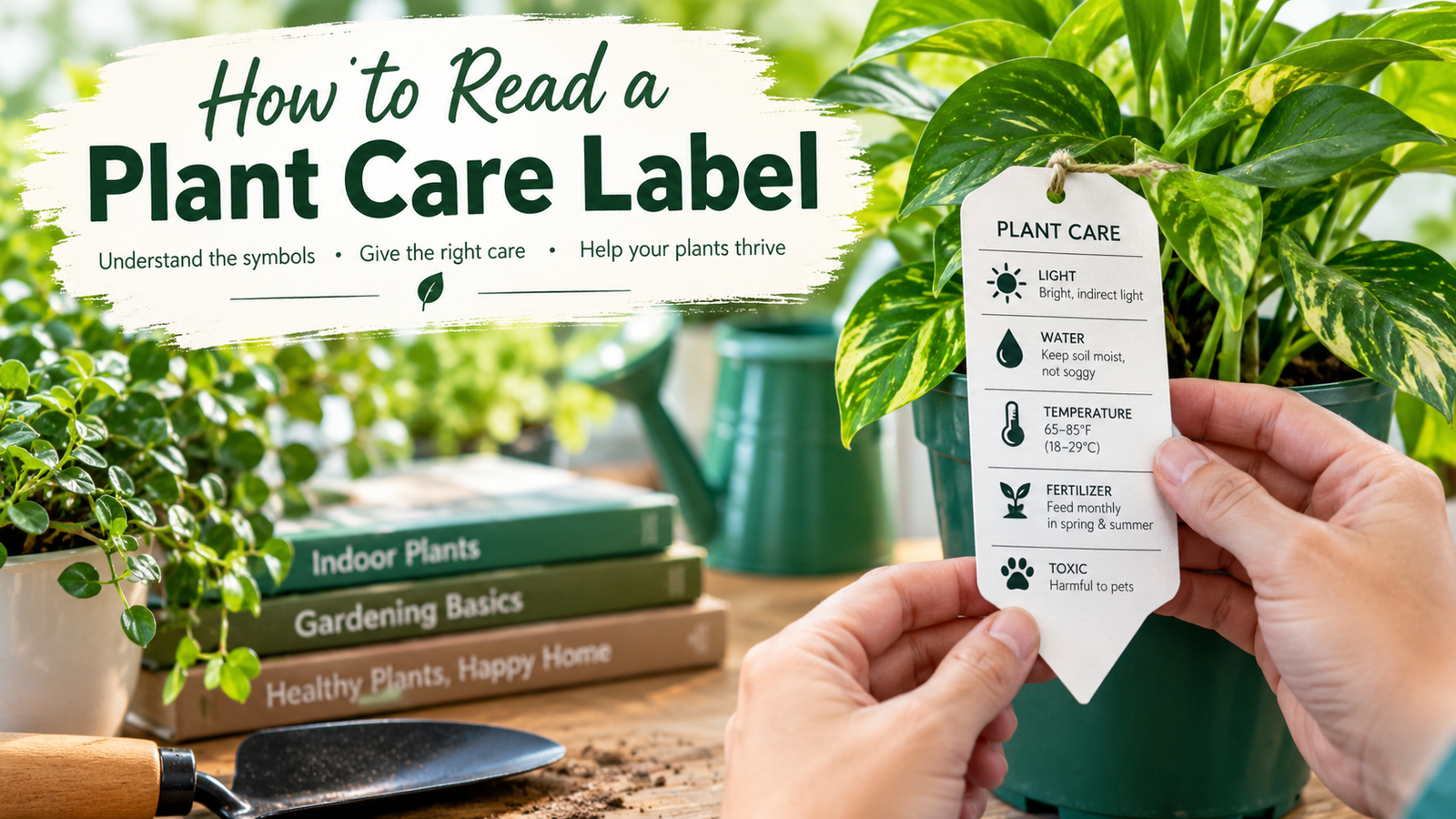
Many nursery labels use simple icons to communicate care instructions quickly. A sun symbol may represent high light requirements, while a half-shaded sun can indicate partial sunlight. A water droplet may indicate watering needs, and a thermometer may represent temperature guidance.
Some labels show a flower, leaf, or calendar to communicate blooming season, foliage characteristics, or the recommended planting period. Vegetable seed packets may include symbols or diagrams showing planting depth, row spacing, germination time, and harvest timing.
However, symbols are not completely standardized across every nursery or plant supplier. A watering-can icon, for instance, might indicate regular watering without explaining exactly how frequently the plant needs it. Always read the accompanying words and look for a legend if the label uses unfamiliar symbols.
If you are unsure about an icon, take a picture and compare it with the written instructions on the label or a reliable gardening reference. Do not base important decisions solely on a symbol that you cannot identify.
A useful habit is to save plant-label photographs in your phone’s photo library. You can organize them into folders such as houseplants, flowers, vegetables, and herbs. This creates a simple reference collection you can check whenever you need to water, feed, prune, or relocate a plant.

10. Check Blooming Seasons, Harvest Times, and Special Instructions
Some plant labels provide seasonal information that helps you understand when a plant flowers, produces fruit, or reaches maturity. Flower labels may list the blooming season, while vegetable labels can include approximate days to maturity or harvest.
A flowering plant described as a spring bloomer may produce most of its flowers during spring under suitable conditions. Another variety may bloom through summer or continue flowering under favorable conditions. These descriptions are helpful, but actual timing can change with climate, planting date, sunlight, and local weather.
Vegetable labels sometimes state the number of days to maturity. This figure is an estimate, and the counting method can vary. For some crops, the period begins after transplanting; for others, it begins when seeds are sown. Read the packet carefully before using the number to plan your harvest.
Look for additional instructions about pruning, deadheading, transplanting, or winter protection. Deadheading means removing spent flowers from certain plants, which can improve their appearance and may encourage additional blooms. Pruning recommendations vary by species, so avoid cutting a plant simply because another plant benefits from the same treatment.
If a label identifies a plant as annual, biennial, or perennial, that description also matters. Annuals generally complete their life cycle in one growing season, biennials typically take two growing seasons, and perennials can live for multiple years under suitable conditions.
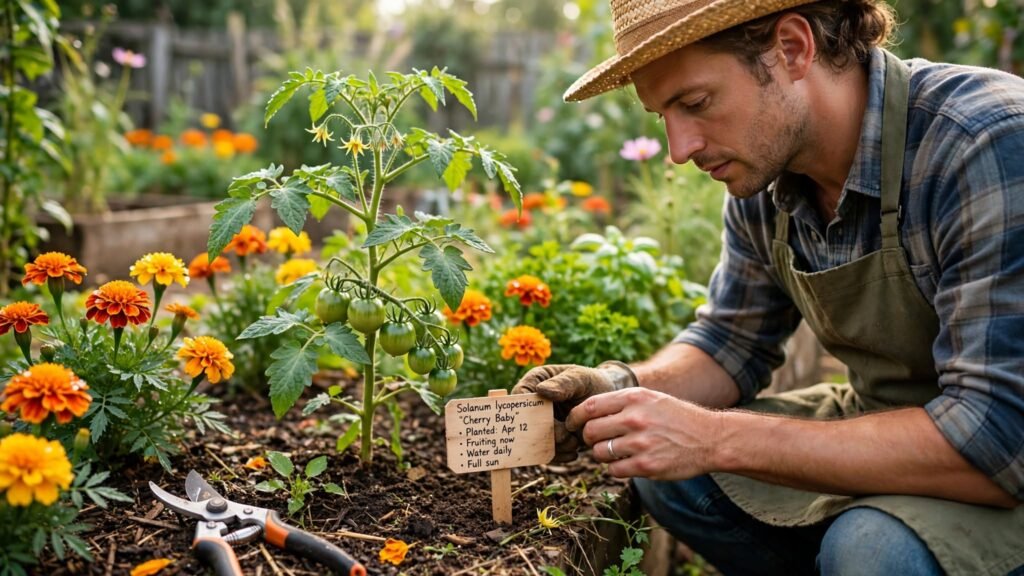
11. Avoid Common Mistakes When Reading Plant Labels
One common mistake is treating plant care instructions as exact rules that never change. A label gives you general guidance, but your plant’s needs also depend on its location, pot size, soil, and weather. A watering recommendation that works during cool weather may not be sufficient during a hot, dry period.
Another mistake is choosing a plant based only on its appearance without checking its mature size or light requirements. A beautiful shade-loving plant may struggle in a hot, sunny spot, while a large shrub may quickly outgrow a small container.
Gardeners sometimes confuse moisture-loving plants with plants that tolerate waterlogged soil. These are not necessarily the same thing. A plant can need consistently moist soil while still requiring oxygen around its roots and adequate drainage.
Ignoring fertilizer instructions is another avoidable problem. Feeding too frequently or using an unsuitable fertilizer may damage plants rather than help them. Similarly, planting a frost-sensitive species outdoors too early can expose it to temperatures it cannot tolerate.
Finally, remember that a care label cannot predict every problem. Inspect your plants regularly for yellowing leaves, pests, unusual spots, and changes in growth. Use the label as your starting point, then adjust care based on what you observe and what the plant’s specific needs indicate.
12. Create a Simple Plant Care Routine
Once you understand a plant care label, turn the information into a practical routine. Start by recording the plant’s name, light requirements, watering preferences, mature size, and any important temperature or feeding instructions. This makes it easier to care for several plants without confusing their needs.
Choose a suitable location before watering or repotting your new plant. Check whether it needs direct sunlight, filtered light, or shade. Make sure the container has appropriate drainage and that the growing medium suits the plant.
Observe your plant regularly rather than waiting for obvious signs of stress. Check soil moisture, inspect leaves, and note whether new growth appears healthy. Keep in mind that some plants grow quickly during warm months and slowly during cooler periods.
A simple notebook, spreadsheet, or phone reminder can help you keep track of seasonal tasks. However, reminders should prompt you to check the plant rather than automatically water it. Different weather conditions can change how quickly soil dries.
If you notice a problem, review the care label before making several changes at once. Correcting one issue at a time makes it easier to understand what helps. With regular observation and a little patience, plant labels become practical tools for building confidence and maintaining a thriving garden.
Conclusion
Learning how to read a plant care label is a valuable skill for every gardener, especially beginners. These small tags provide essential information about a plant’s identity, sunlight requirements, watering preferences, soil conditions, mature size, and temperature tolerance. By understanding the instructions, you can make better decisions about where to place your plants and how to care for them throughout the growing season. Paying attention to fertilizer recommendations, humidity needs, seasonal information, and common care symbols can also help prevent avoidable gardening mistakes.
Although labels offer useful guidance, remember that every growing environment is different. Weather, soil, containers, and available light can influence how a plant responds to its surroundings. Use the label as your starting point, then observe your plant regularly and adjust your care routine when necessary. With practice, you will become more confident in understanding plant needs and creating suitable growing conditions for a healthier, more beautiful garden.
Reading a plant care label does not need to be complicated. Begin with the plant’s name, identify the amount of light it needs, and understand how its soil should be watered and maintained. Next, consider its mature size, preferred temperature, feeding requirements, and any special seasonal instructions. Keep a photograph of each label or write down the most important details so you can refer to them later. Avoid assuming that every plant follows the same schedule, particularly when it comes to watering and fertilizer.
Instead, check soil moisture, monitor leaf health, and pay attention to changes in growth. Small habits like these can make a meaningful difference over time. By combining label instructions with careful observation, you can make informed choices, reduce unnecessary plant stress, and enjoy a more successful gardening experience season after season.