17 Essential Gardening Tips for Beginners
Starting a garden can feel overwhelming when you are surrounded by unfamiliar plants, gardening tools, soil choices, watering schedules, and seasonal tasks. The good news is that successful gardening does not require years of experience. Beginners can create a healthy and beautiful garden by starting small, understanding their growing conditions, and learning a few basic gardening principles. Whether you want to grow flowers, vegetables, herbs, or a mixture of plants, simple habits can make a major difference. In this guide, you will discover 17 essential gardening tips for beginners that can help you choose the right location, prepare healthy soil, water correctly, select suitable plants, control weeds, protect your garden from pests, and keep your plants growing throughout the season.
Use these practical tips as a foundation, experiment patiently, and remember that every gardening mistake is an opportunity to learn. If you are completely new to gardening, start by learning how to start a garden from scratch before choosing plants and preparing your growing space.
1. Start With a Small Garden
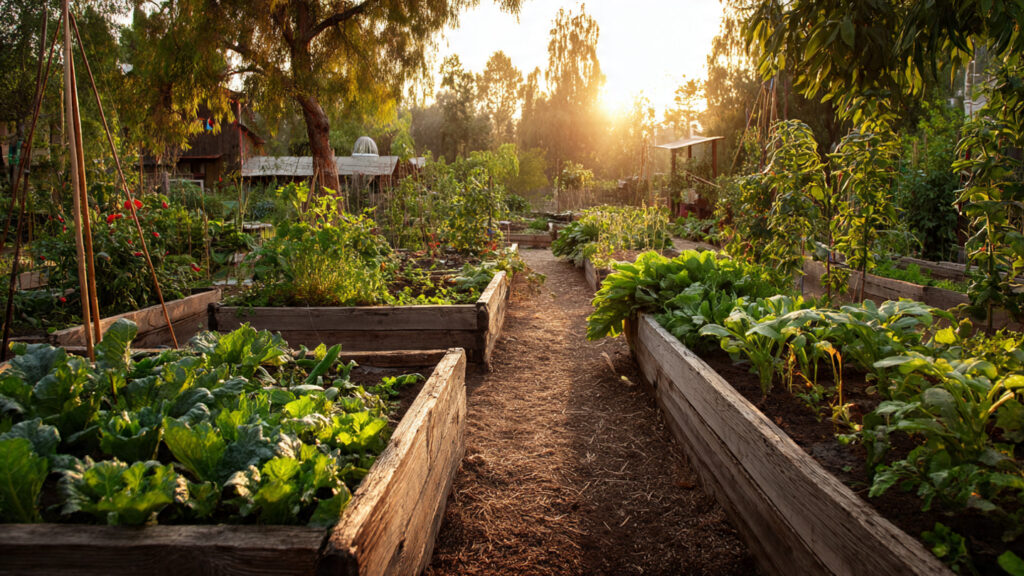
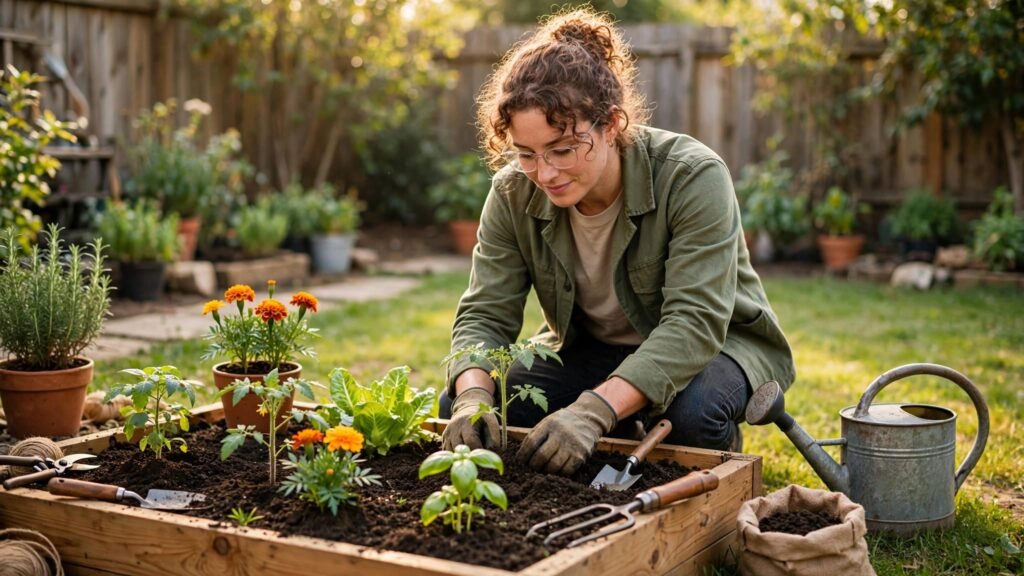
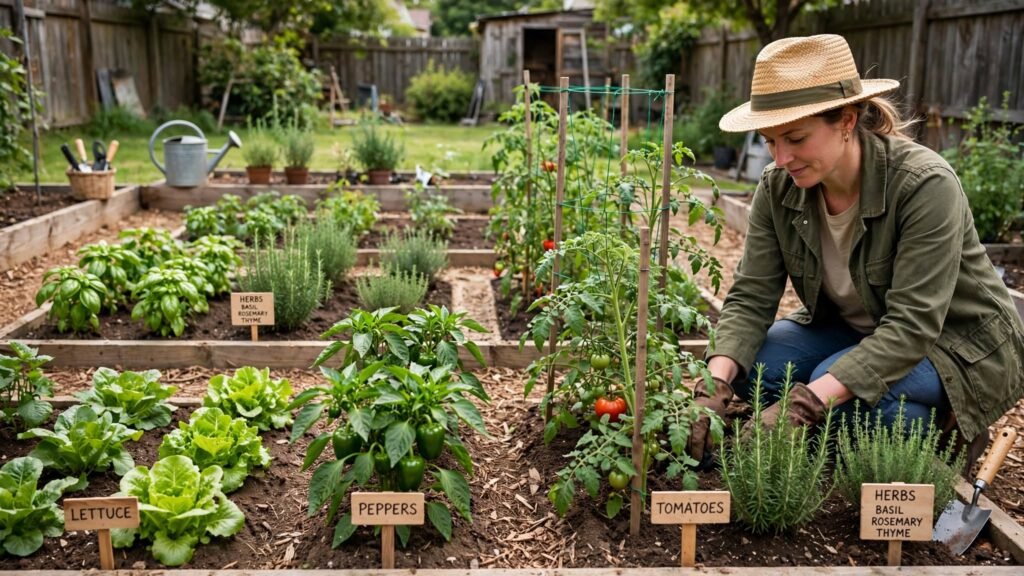
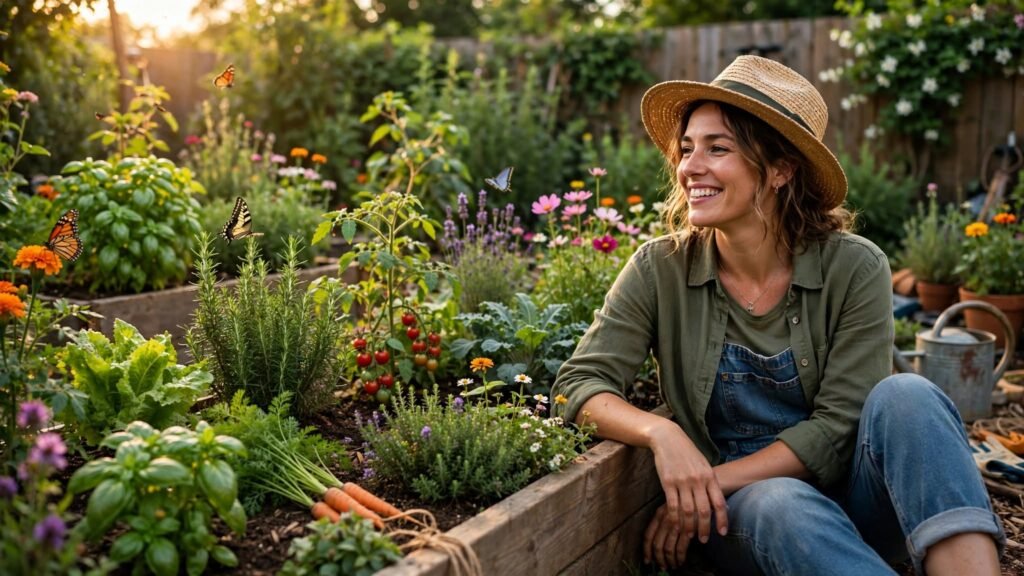
One of the best gardening tips for beginners is to start small. It is tempting to transform an entire backyard immediately, but a large garden can quickly become difficult to maintain. Begin with a few containers, a small raised bed, or one manageable section of your yard. Choose only a few plants that genuinely interest you and learn how they grow. A smaller garden makes watering, weeding, pruning, and pest inspection much easier. As your confidence increases, you can gradually expand your growing space. Starting small also allows you to understand your soil, sunlight, local climate, and personal gardening routine without feeling overwhelmed.
2. Choose the Right Gardening Location
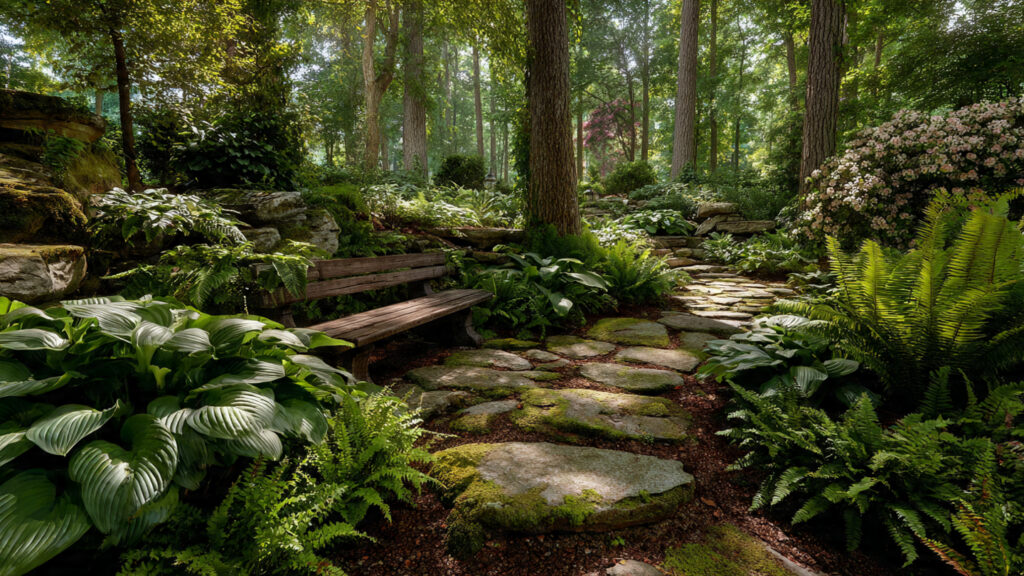
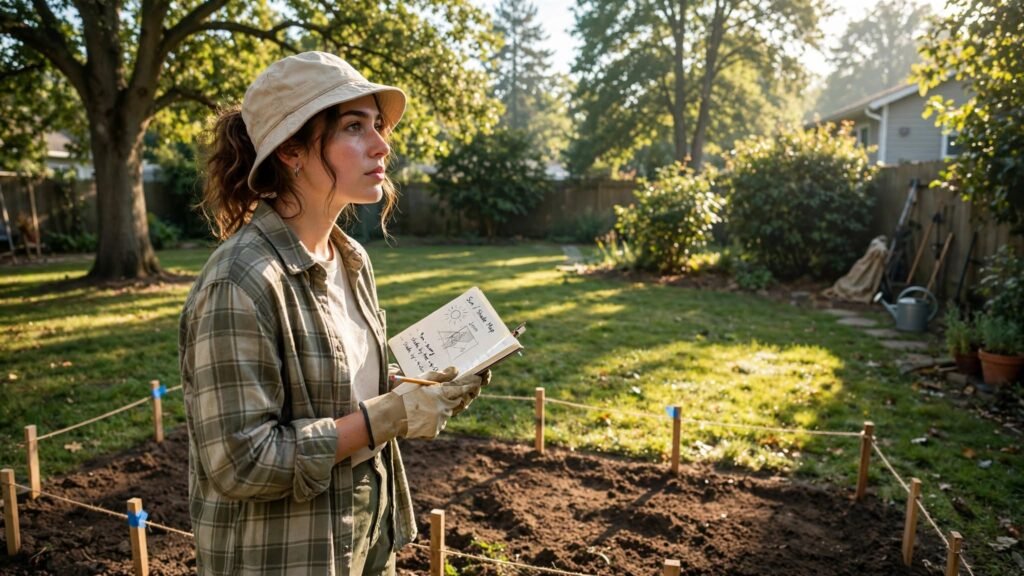
Location plays an important role in whether plants thrive or struggle. Before planting, observe your yard throughout the day and identify areas receiving full sun, partial shade, or mostly shade. Many vegetables and flowering plants need around six or more hours of sunlight, while shade-loving plants prefer less direct sun. Also consider access to water, drainage, wind exposure, and how convenient the area is to reach. A garden that is easy to access is more likely to receive regular care. Choosing the right location from the beginning can prevent many problems later and gives your plants a much better opportunity to grow successfully.
3. Learn About Your Soil
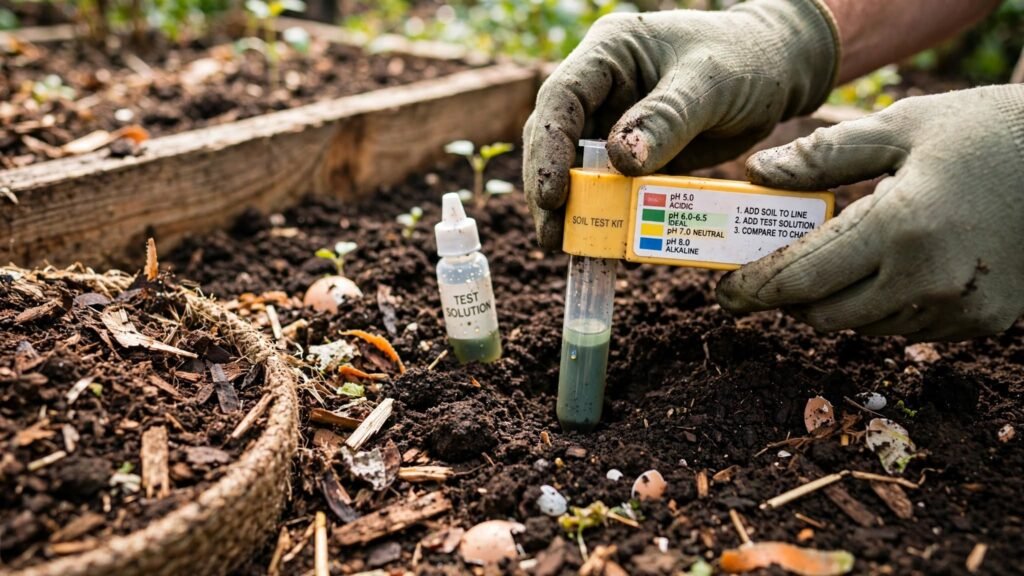
Healthy soil is the foundation of a productive garden. Before adding plants, take time to understand the soil in your garden. Good soil should provide nutrients, hold enough moisture, and still drain excess water. Sandy soil drains quickly, while heavy clay soil can hold too much water. Organic matter such as compost can improve many soil types by supporting structure, moisture retention, and beneficial soil organisms. A basic soil test can also provide useful information about pH and nutrient levels. Instead of guessing what your garden needs, learn about your soil first and make gradual improvements based on its condition.
4. Choose Plants That Suit Your Climate
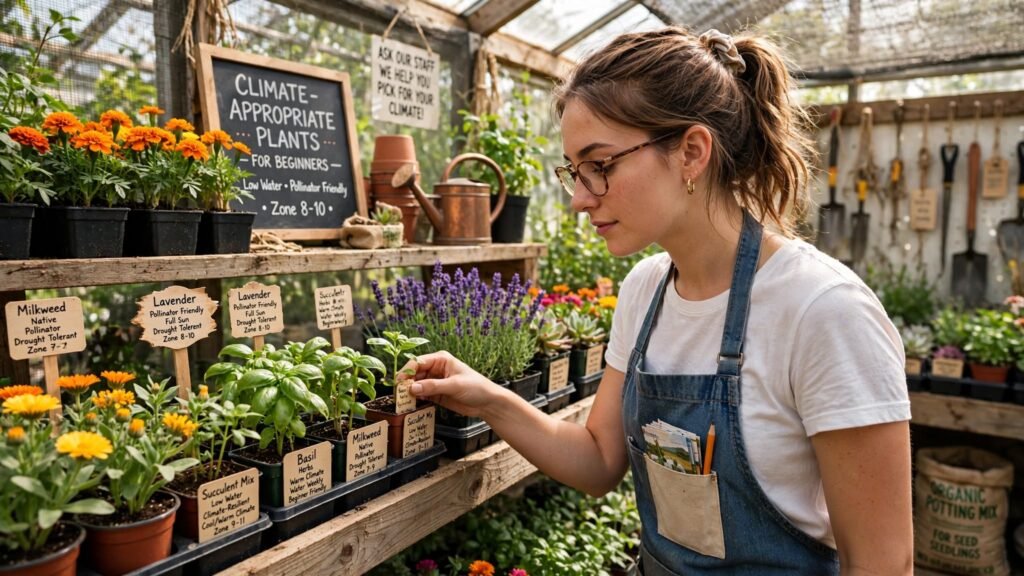
Beginners often make the mistake of choosing plants simply because they look beautiful. However, a plant that performs well in one climate may struggle in another. Before purchasing seeds or seedlings, check whether they are suitable for your growing zone, temperatures, rainfall, and seasonal conditions. Local nurseries and garden centers can often recommend plants that perform well in your area. Native and locally adapted plants are especially useful because they are generally better suited to local environmental conditions. Selecting appropriate plants reduces unnecessary problems and helps you create a garden that is healthier and easier to maintain.
5. Understand How Much Sun Your Plants Need
Sunlight is one of the most important requirements for plant growth. Different plants have different light preferences, so avoid placing every plant in the same location. Sun-loving vegetables such as tomatoes and peppers generally need plenty of direct sunlight, while many leafy greens and shade plants can tolerate less. Watch your garden throughout the day to understand where sunlight falls and changes. Read plant labels before planting and group plants with similar light requirements together. Providing the correct amount of sunlight helps plants produce stronger growth, healthier foliage, and better flowers or harvests.
6. Water Deeply Instead of Constantly
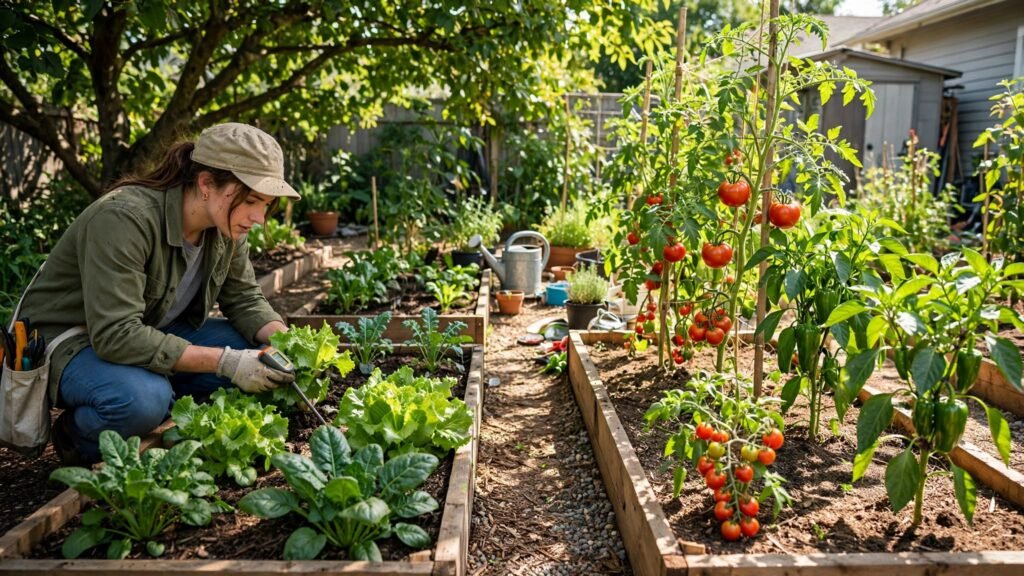
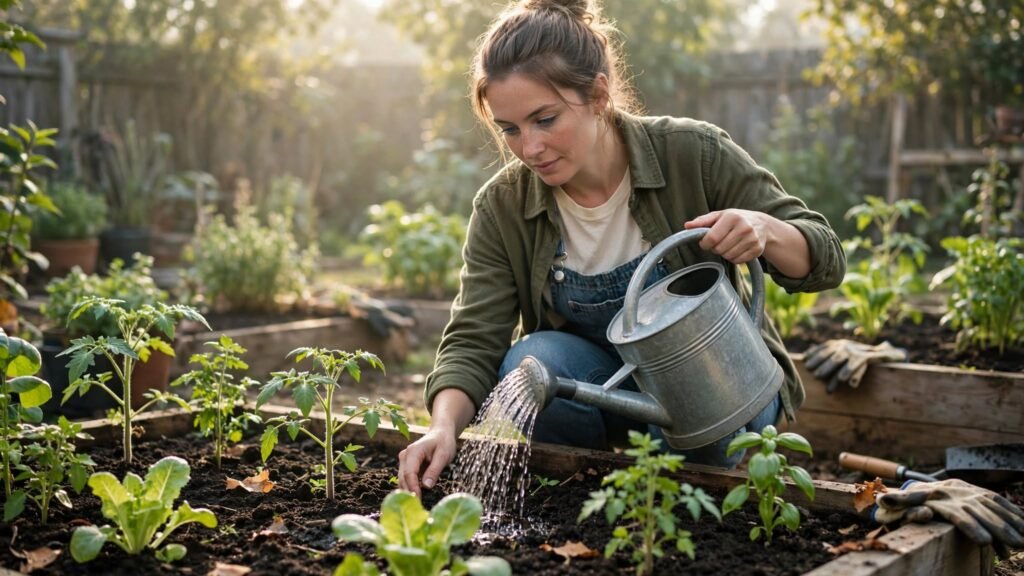
Watering correctly is more important than simply watering frequently. Many beginners give plants small amounts of water every day, which may encourage shallow roots. When appropriate for the plant and soil, deeper watering can encourage roots to grow farther into the soil. Water around the base of plants rather than constantly wetting the leaves, especially in humid conditions. Early morning is often a good time to water because plants can use the moisture during the day and foliage has time to dry. Always consider rainfall, soil moisture, temperature, and the specific needs of your plants before watering.
7. Add Mulch Around Plants
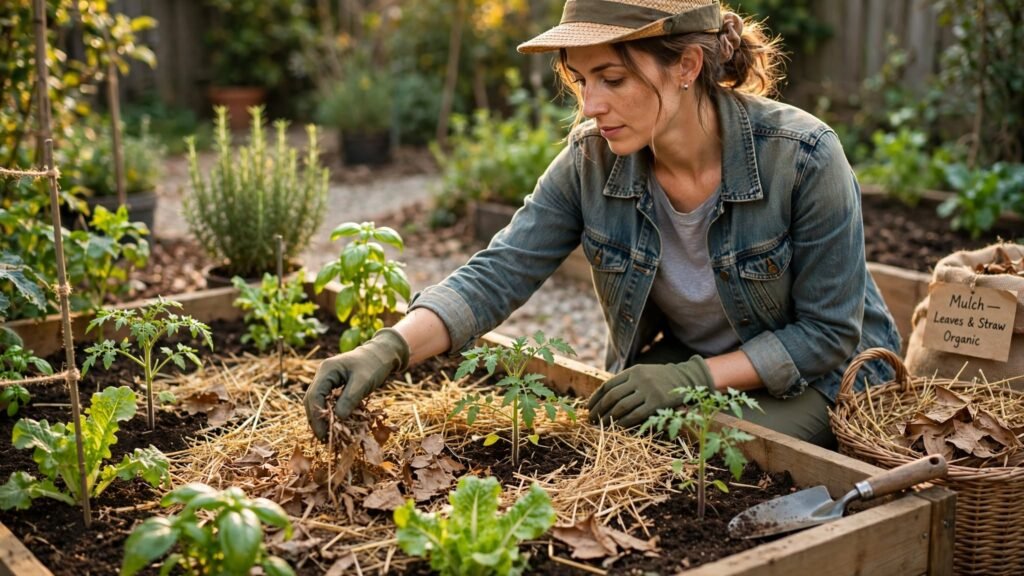
Mulching is one of the simplest ways to make garden maintenance easier. A layer of suitable organic mulch around plants can help conserve soil moisture, reduce weed growth, moderate soil temperature, and gradually add organic material as it breaks down. Materials such as shredded leaves, straw, or compost can be useful depending on the garden. Keep mulch slightly away from plant stems to reduce the risk of excessive moisture around the base. Do not pile it directly against trunks or stems. A properly applied mulch layer can help your garden stay cleaner and reduce the amount of watering and weeding required.
8. Feed Your Plants Carefully
Plants need nutrients for healthy growth, but more fertilizer is not always better. Excessive fertilizer can damage roots, encourage weak growth, or create nutrient imbalances. Start by improving soil with mature compost or organic matter and learn what individual plants require. If you use fertilizer, follow the product instructions carefully and avoid applying more than recommended. Slow-release fertilizers can be convenient for beginners when appropriate. Watch your plants for signs of nutrient problems, but remember that yellowing leaves or poor growth can also result from watering, light, pests, or disease. Healthy soil and balanced feeding are more valuable than excessive fertilization.
9. Give Plants Enough Space
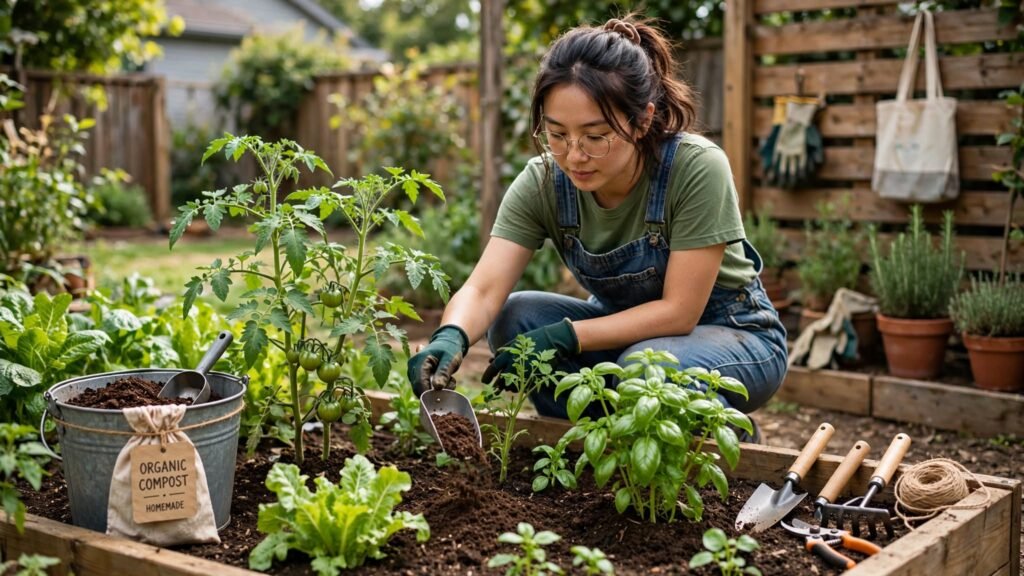
Crowding plants together may make a garden look full at first, but it can create problems as plants mature. Overcrowded plants compete for sunlight, water, nutrients, and air circulation. Limited airflow can also create conditions that encourage certain fungal diseases. Always check the mature size and recommended spacing before planting. Give vegetables enough room to develop and leave adequate space between flowering plants. Although a young garden may initially look sparse, plants often fill the available space as they grow. Proper spacing creates healthier plants and makes routine tasks such as harvesting, watering, pruning, and inspecting leaves much easier.
10. Learn to Identify and Remove Weeds
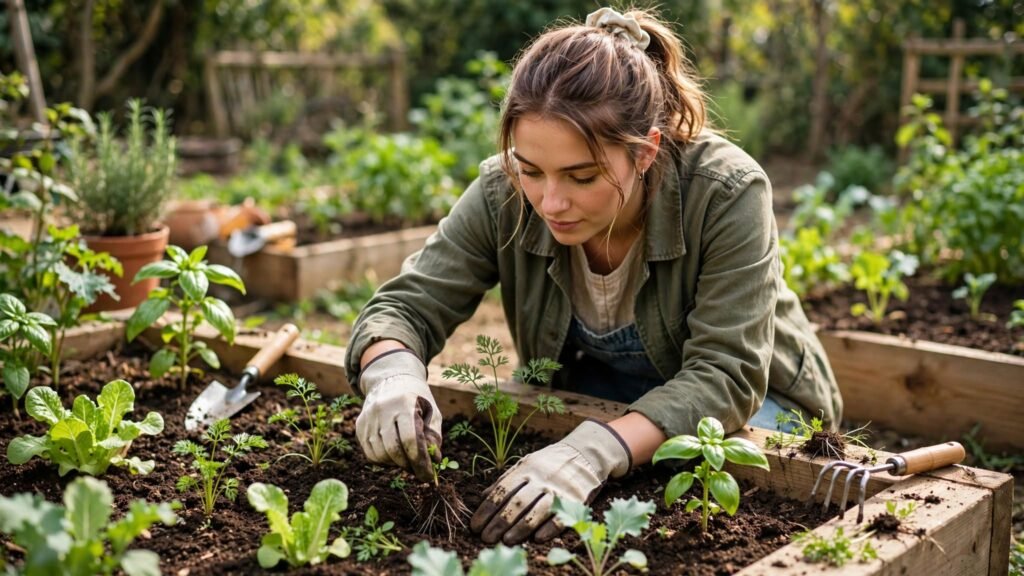
Weeds compete with garden plants for sunlight, water, nutrients, and space. Beginners should develop the habit of checking garden beds regularly instead of allowing weeds to become established. Young weeds are usually easier to remove than large mature plants with deep roots. Pull or dig weeds carefully and try to remove their roots when practical. Mulching can also reduce new weed growth. Learn to recognize common weeds in your area so you do not accidentally remove desirable seedlings. Regular short sessions of weeding are usually much easier than waiting until the garden becomes heavily overgrown.
11. Watch for Garden Pests
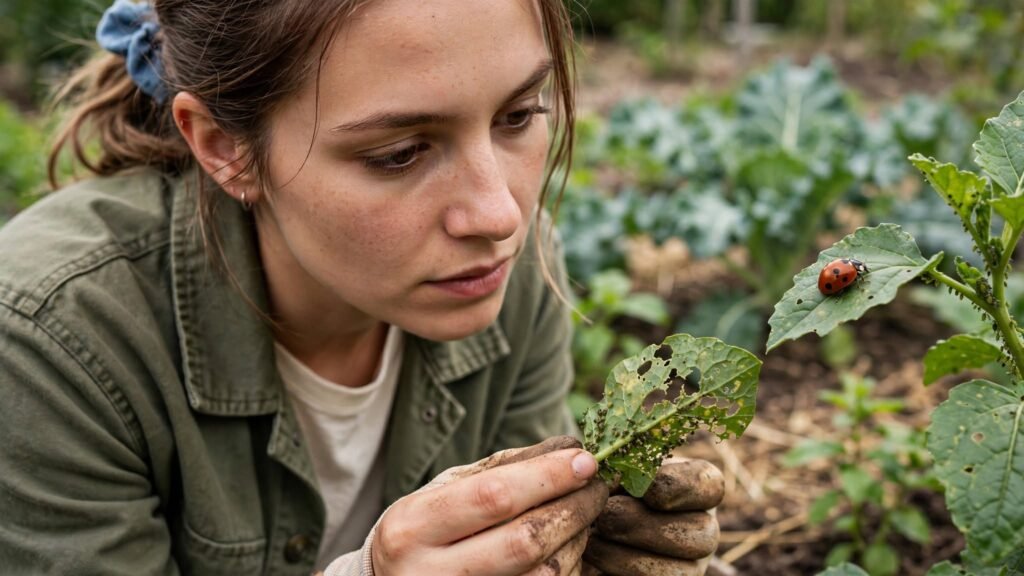
Garden pests are a normal part of gardening, but early detection can prevent small problems from becoming major infestations. Check the undersides of leaves, stems, flowers, and new growth regularly. Look for holes, discoloration, sticky residue, webbing, or visible insects. Whenever possible, identify the pest before deciding how to manage it. Encourage beneficial insects such as ladybugs and pollinators, and use physical methods such as hand-picking pests or protective barriers when suitable. Avoid automatically reaching for harsh chemicals. A healthy garden with good plant spacing, proper watering, and beneficial insects can often better tolerate occasional pest activity.
12. Keep Gardening Tools Clean
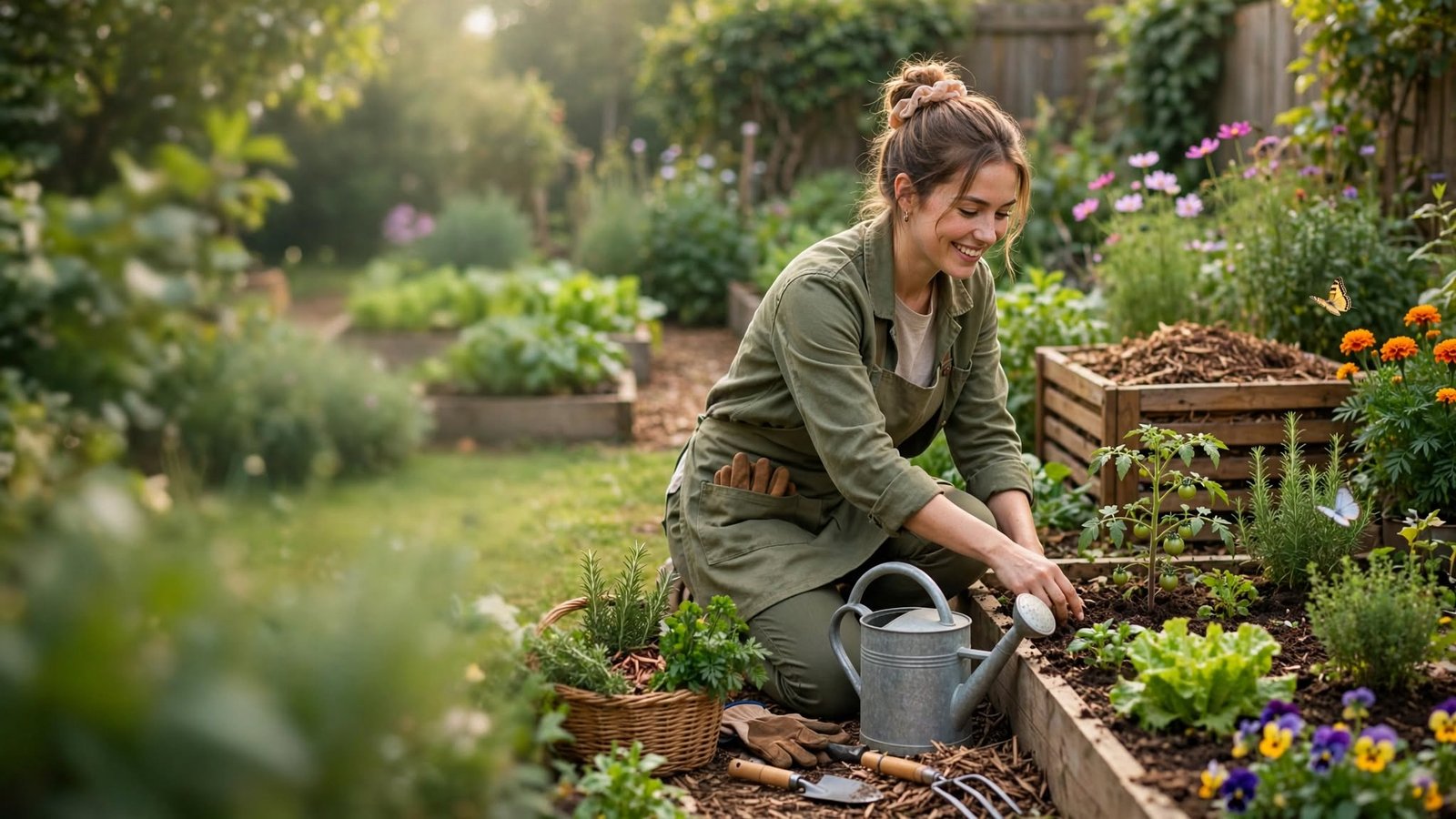
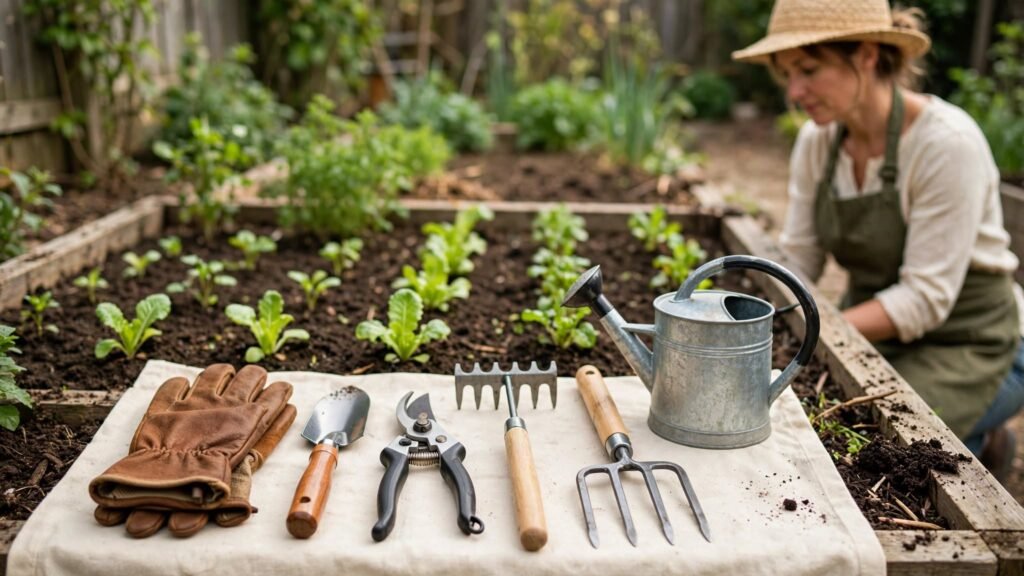
Clean gardening tools are easy to overlook, but they are important for maintaining a healthy garden. Soil, plant residue, and moisture can collect on pruning shears, trowels, and other equipment. Clean tools after use and allow them to dry before storing them. Sharp pruning tools also make cleaner cuts than dull ones. Keep frequently used tools together in a convenient location so gardening tasks remain simple. You do not need a huge collection of equipment when starting. A quality pair of gloves, hand trowel, pruners, watering can, garden fork, and basic digging tool can handle many beginner gardening jobs.
13. Use Compost to Improve Your Garden
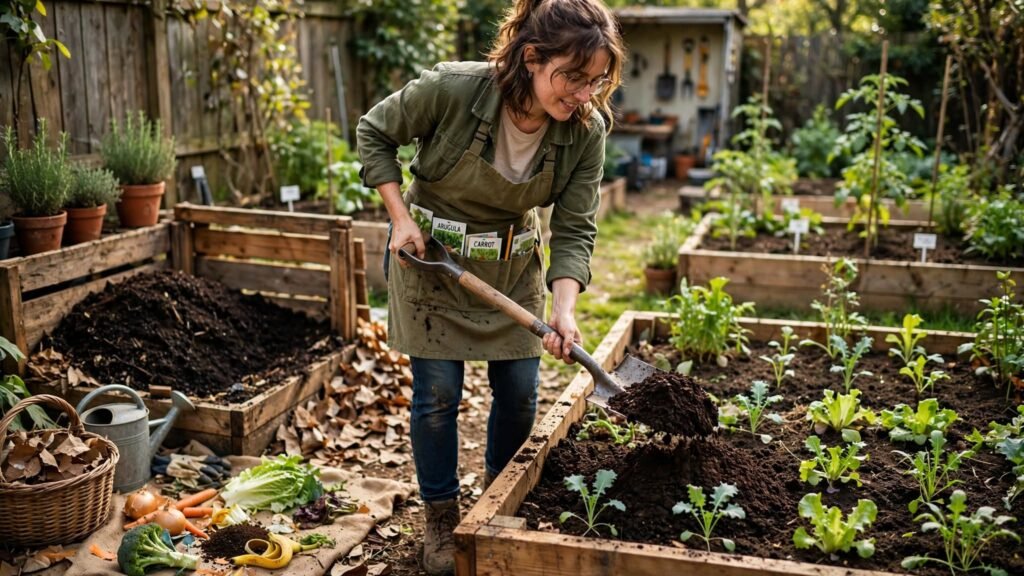
Compost is a valuable source of organic matter and can help improve soil structure while supporting beneficial organisms. Homemade compost can be created from suitable plant-based kitchen and garden materials, while finished commercial compost is another convenient option. Compost should be mature and properly decomposed before being added to garden beds. Mix it into soil before planting or use a suitable amount as a top dressing around established plants. Compost is not a magic solution for every gardening problem, but incorporating organic matter regularly can contribute to healthier soil and a more productive growing environment.
14. Learn Basic Pruning
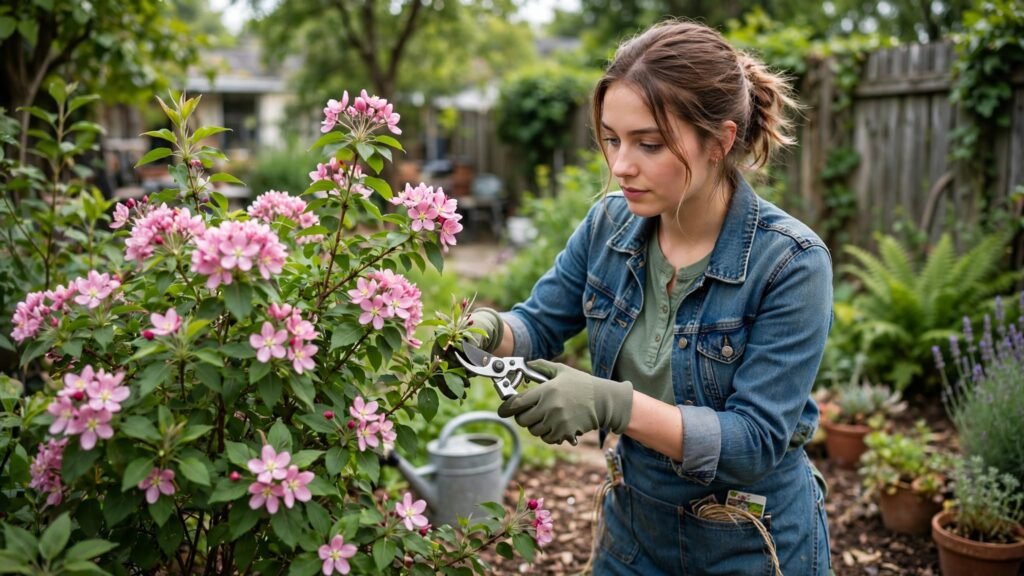
Pruning helps gardeners manage plant shape, remove damaged growth, and sometimes encourage healthier development. However, different plants have different pruning requirements, so beginners should learn about each plant before cutting. Start by removing clearly dead, damaged, or diseased branches when appropriate. Use clean, sharp pruning tools and make careful cuts. Avoid excessive pruning simply to make a plant look tidy. Some flowering plants bloom on old wood, while others flower on new growth, making timing important. Learning basic pruning gradually will help you maintain healthier plants without accidentally removing growth that the plant needs.
15. Keep a Simple Gardening Journal
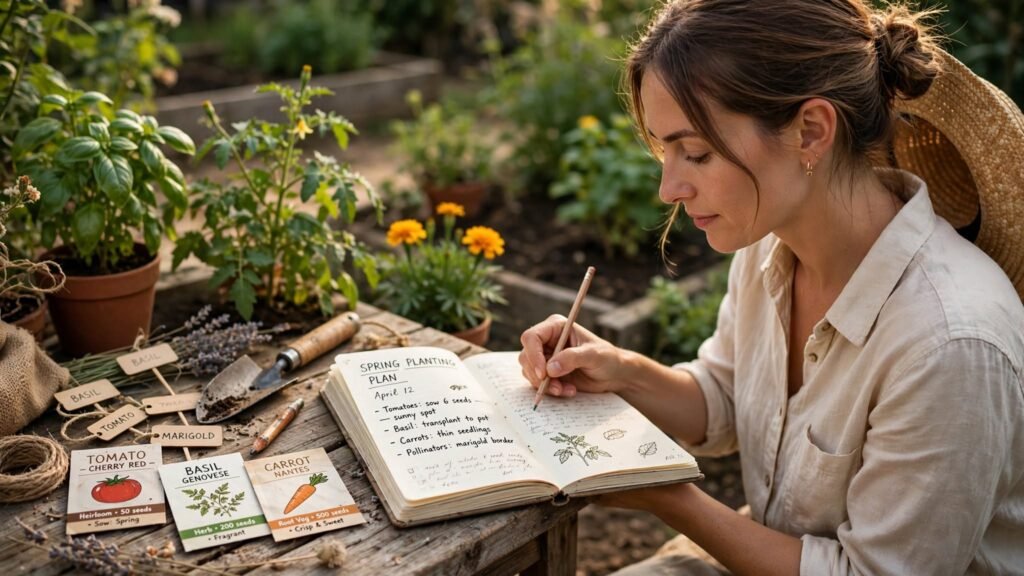
A gardening journal can become one of your most useful tools because it helps you learn from your own garden. Record what you planted, when you planted it, how often you watered, when plants flowered or produced harvests, and which pests appeared. You can also note weather conditions and successful varieties. Over time, these observations reveal patterns that are specific to your garden. You will learn which plants perform best, which areas receive more sunlight, and when seasonal tasks should be completed. Your garden journal does not need to be complicated; a notebook or simple digital document is enough.
16. Be Patient and Expect Mistakes
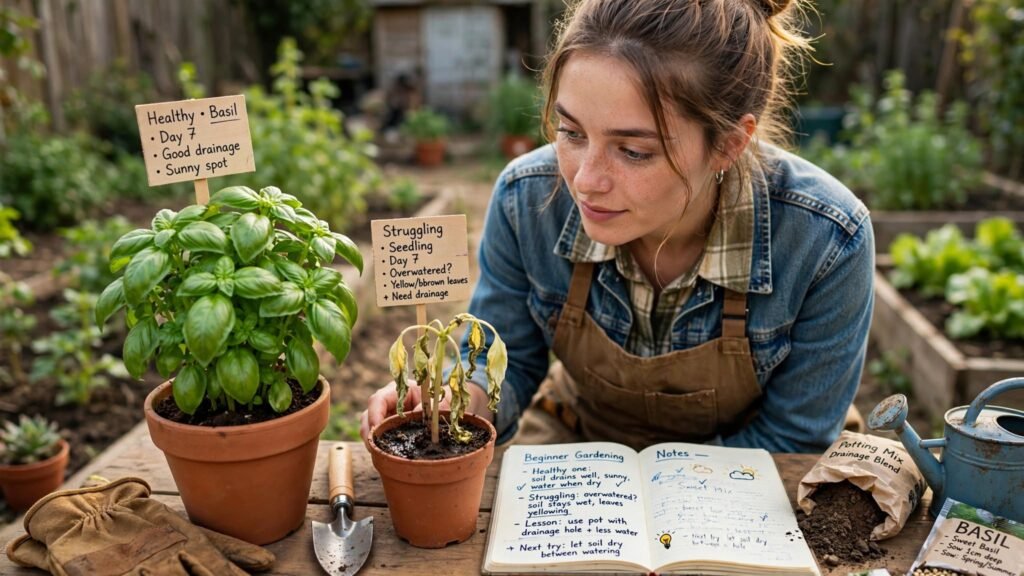
Gardening is a learning process, and mistakes are completely normal. A plant may fail to germinate, a pest may damage your leaves, or a watering routine may not work as expected. Instead of becoming discouraged, treat each problem as information. Ask what happened, identify the likely cause, and change one thing at a time. Avoid making several major changes simultaneously because it becomes difficult to know what actually helped. Gardening skills develop through observation and practice. Even experienced gardeners lose plants sometimes. Patience allows you to enjoy the process instead of expecting a perfect garden immediately.
17. Enjoy Your Garden and Keep Learning
The most important beginner gardening tip is to enjoy the experience. A garden is not only about producing perfect plants; it can provide relaxation, fresh food, flowers, wildlife, outdoor activity, and a deeper connection with nature. Continue learning by observing your plants, reading reliable gardening information, visiting local nurseries, and experimenting with new varieties. Start with manageable projects and gradually take on more challenging ones. Gardening becomes easier when you understand that every season teaches you something new. Celebrate small successes, whether it is your first flower, a healthy herb harvest, or simply seeing new leaves appear on a plant you cared for.
Conclusion
Starting a garden does not have to be complicated. By following these essential gardening tips for beginners, you can create a strong foundation and avoid many common problems. Start with a manageable space, choose plants suited to your climate and sunlight, improve your soil with organic matter, and develop consistent habits for watering, weeding, feeding, and monitoring your plants. Remember that healthy gardening is about balance rather than perfection. Pay attention to what your plants are telling you and make changes gradually when something is not working. Keeping tools clean, giving plants enough space, using mulch, and learning basic pruning can also make everyday maintenance easier. Most importantly, give yourself time to learn.
Every garden behaves differently, and your experience will become one of your best sources of knowledge as you continue growing. A quality pair of gloves, hand trowel, pruners, watering can, garden fork, and basic digging tool can handle many beginner gardening jobs. If you are building your first gardening toolkit, check out our guide to Essential Gardening Tools for Beginners to learn which tools are worth having.
Keep Growing Your Gardening Skills
Gardening is a rewarding journey, and beginners should focus on progress rather than perfection. You do not need expensive equipment, a huge backyard, or expert knowledge to begin. A few healthy plants, good soil, suitable sunlight, and regular attention can create a rewarding growing space. As you gain experience, you will naturally become better at recognizing plant needs, managing pests, understanding seasonal changes, and choosing varieties that perform well. Keep notes, ask questions, experiment carefully, and learn from both successful harvests and unsuccessful attempts. Most importantly, make time to enjoy the garden you are creating. Watching a seed become a plant and eventually produce flowers, herbs, or vegetables is one of the simplest pleasures of gardening. Start small today, keep learning, and let your garden grow alongside your confidence and skills.
Frequently Asked Questions (FAQ’s)
Start small and choose plants that are suitable for your climate, available sunlight, and soil conditions. A manageable garden is easier to maintain and helps beginners build confidence.
There is no single watering schedule for every garden. Check the soil moisture, weather, plant type, and container or garden-bed conditions. Water when plants need moisture rather than following a rigid schedule.
Easy plants such as herbs, leafy greens, radishes, marigolds, beans, or other locally suitable plants can be good choices. Select plants that match your climate and growing season.
Adding mature compost and other suitable organic matter can improve soil structure and support beneficial organisms. A soil test can also help identify pH or nutrient issues.
Regularly remove weeds while they are small and use suitable mulch around plants. Proper plant spacing and healthy soil can also help create conditions that support your desired plants.
A beginner can start with basic tools such as gardening gloves, a hand trowel, pruning shears, a watering can or hose, a garden fork, and a digging tool. You can add equipment as your needs grow.