How to Start a Garden From Scratch
Starting a garden from scratch can feel overwhelming when you are looking at an empty yard, patch of soil, balcony, or unused corner and wondering where to begin. The good news is that creating a beautiful and productive garden does not require years of experience or expensive equipment. With a little planning, healthy soil, suitable plants, and regular care, almost anyone can turn an ordinary space into a thriving garden.
Whether your goal is to grow colorful flowers, fresh vegetables, fragrant herbs, or a relaxing outdoor space, starting with the right foundation will make gardening much easier. In this guide, you will learn how to choose the right location, prepare the soil, select plants, plan your garden layout, water correctly, control weeds and pests, and maintain your garden throughout the growing season.
1. Decide What Type of Garden You Want
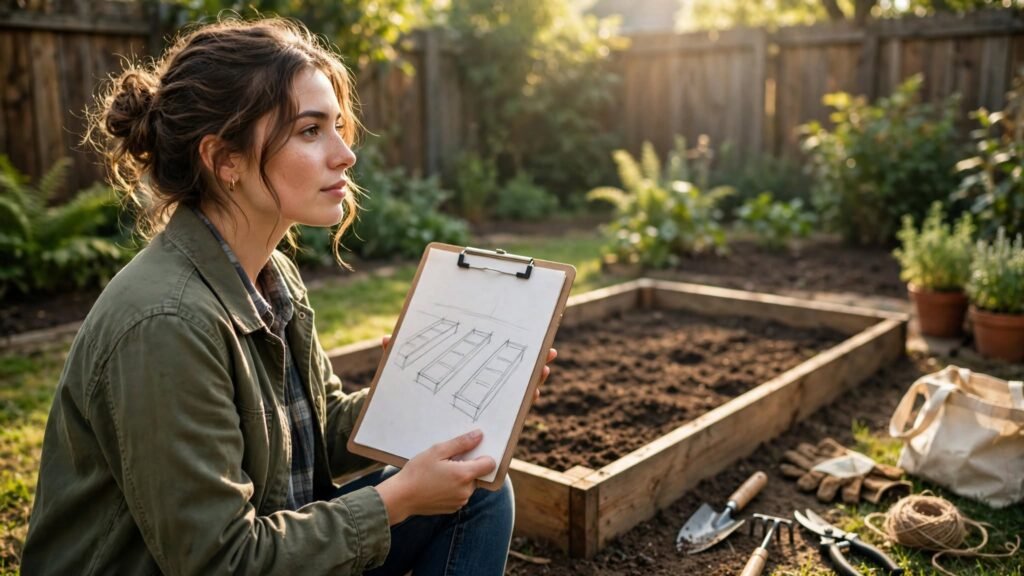
Before digging or buying plants, decide what you want your garden to accomplish. A clear goal will help you choose the right location, plants, containers, and garden design. You might want a vegetable garden for fresh produce, a flower garden for seasonal color, an herb garden for cooking, or a combination of several types. Beginners should avoid trying to grow everything at once. Start with a manageable selection of plants that match your space, time, and gardening experience. Think about whether you want a low-maintenance garden or whether you enjoy spending time caring for plants. Your garden should fit naturally into your lifestyle.
2. Choose the Right Garden Location
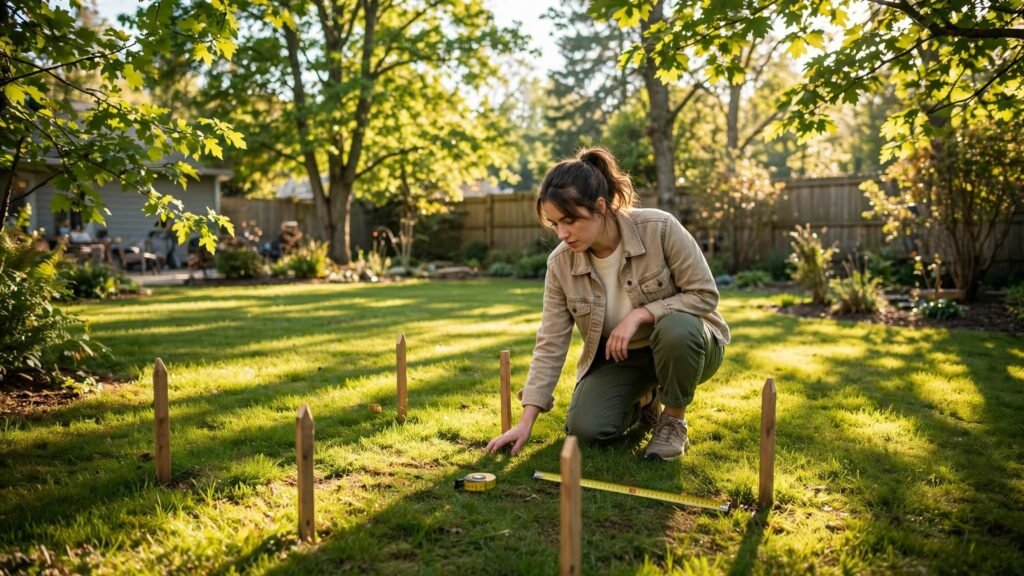
Location is one of the most important decisions when starting a garden. Most vegetables, herbs, and flowering plants need several hours of sunlight each day, although some plants prefer partial shade. Observe your property throughout the day and notice which areas receive morning, afternoon, or filtered sunlight. Also consider drainage, access to water, protection from strong winds, and how convenient the area is to reach. A garden that is close to your home is often easier to maintain because you are more likely to notice watering needs, weeds, pests, and plant problems. Avoid areas where water remains after rainfall because consistently soggy soil can damage many plants.
3. Measure and Plan Your Garden Space
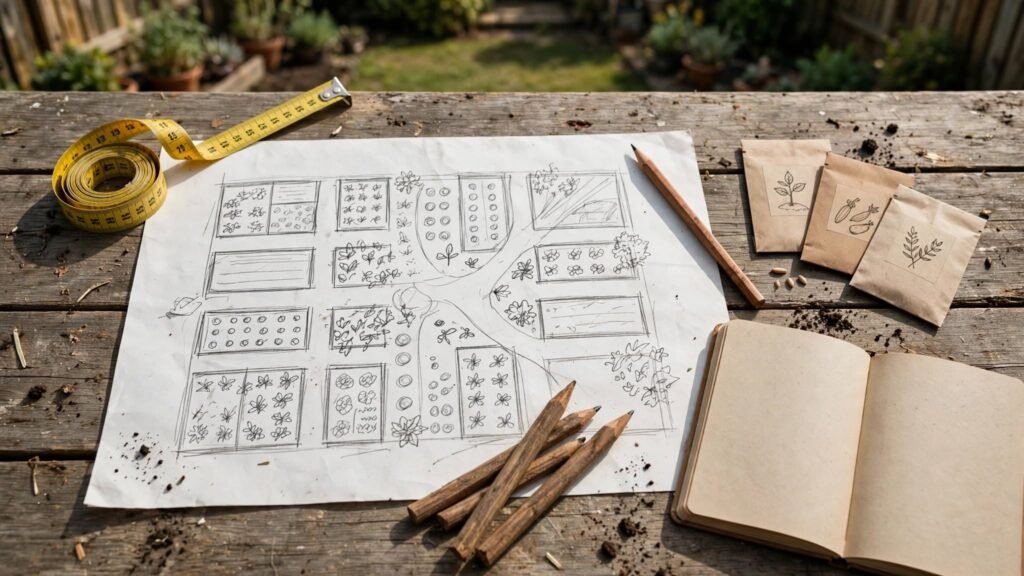
Once you have chosen the location, measure the available space and create a simple garden plan. You do not need professional landscaping software; paper and pencil are enough. Mark paths, planting beds, containers, fences, existing trees, and structures. Leave enough room to walk comfortably between plants and reach every part of the garden for watering, pruning, harvesting, and weeding. Beginners often benefit from starting with a smaller garden because a compact, well-maintained space is easier to manage than a large garden that quickly becomes neglected. You can always expand your garden later as your confidence and experience grow.
4. Test and Improve the Soil
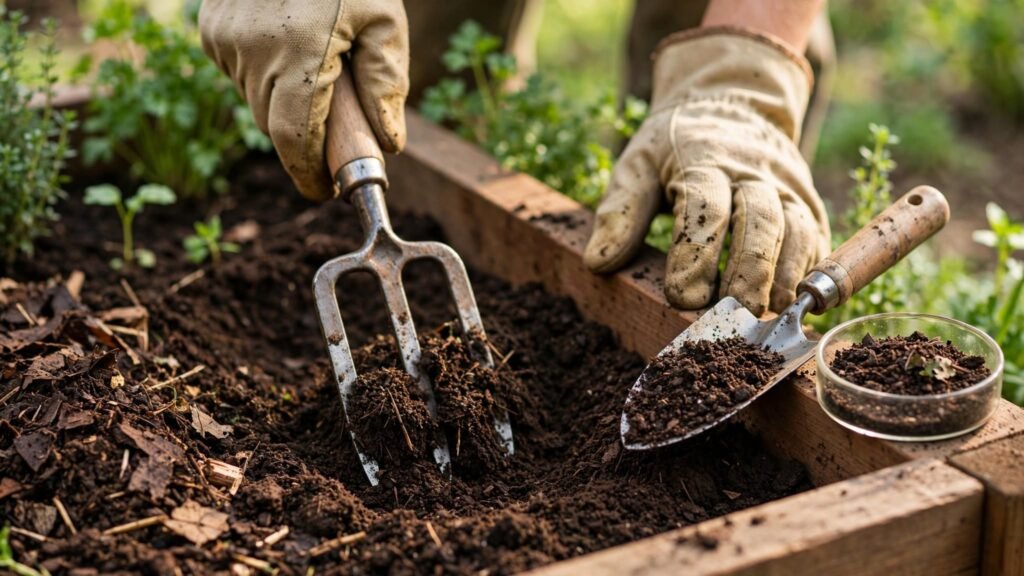
Healthy soil is the foundation of a successful garden from scratch. Before planting, examine the soil to understand its texture, drainage, and fertility. Garden soil may be sandy, clay-heavy, compacted, or lacking organic matter. A basic soil test can provide useful information about pH and nutrient levels. If the soil needs improvement, add mature compost or other suitable organic matter and mix it into the planting area. Organic matter can improve soil structure, moisture retention, drainage, and nutrient availability. Avoid adding random fertilizers without knowing what your soil needs. Building healthy soil gradually is usually more beneficial than trying to solve every problem with strong products at once.
5. Prepare the Garden Bed
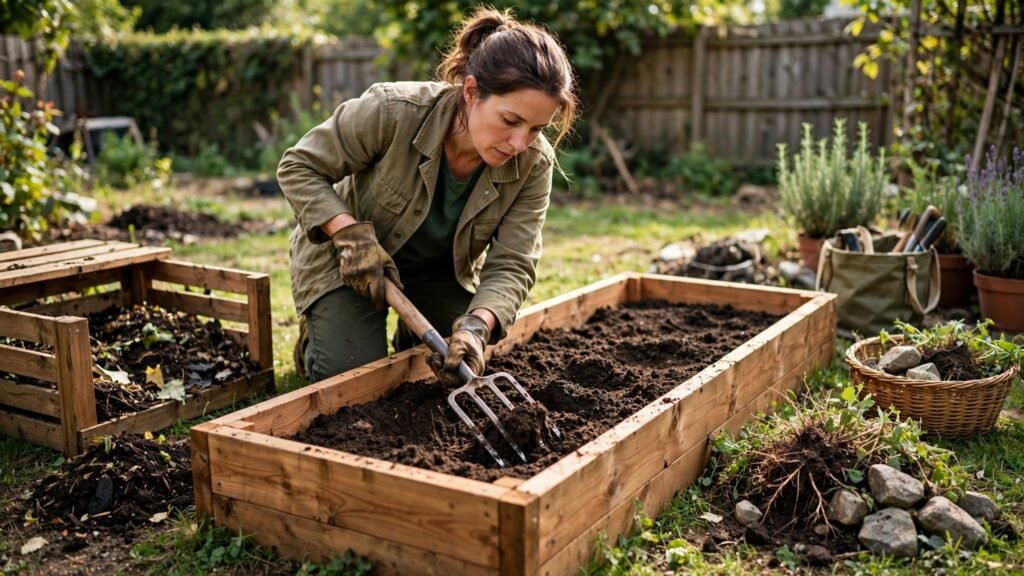
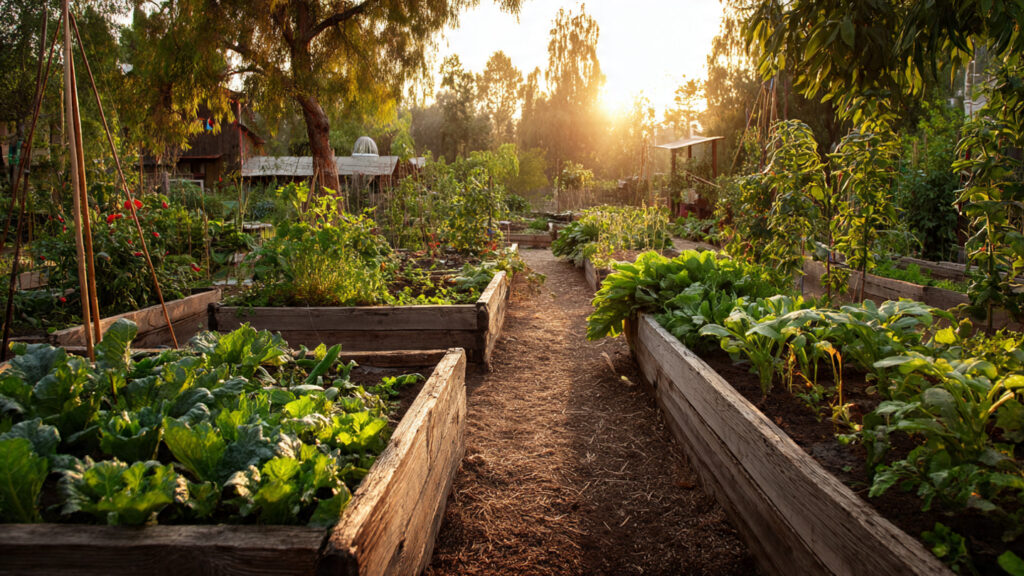
After improving the soil, prepare the planting bed. Remove large stones, unwanted grass, roots, and existing weeds. Loosen compacted soil carefully without excessively disturbing the soil structure. If the ground is difficult to work with, consider creating a raised bed instead. Raised beds can provide better control over soil quality and drainage and can make gardening more comfortable. Keep the bed width practical so you can reach the center without stepping on the soil. Define the edges with suitable garden materials if desired. A clean, organized bed will make planting and maintenance easier while also giving your garden a more attractive appearance.
6. Choose Plants That Match Your Conditions
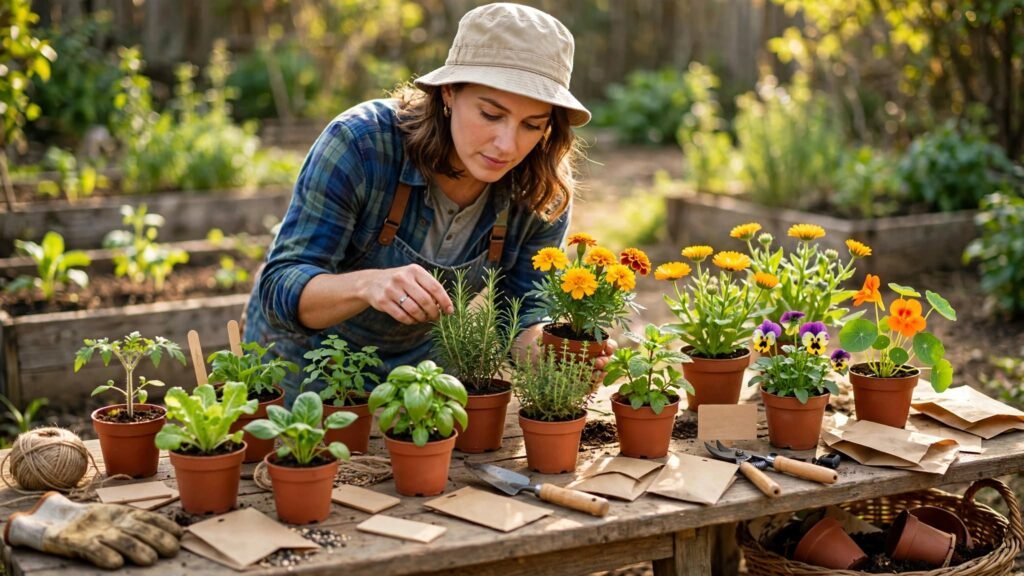
Plant selection should be based on your garden’s sunlight, soil, climate, available space, and maintenance requirements. Beginners often make the mistake of choosing plants because they look attractive without checking whether those plants can thrive in their conditions. Read plant labels carefully and pay attention to sunlight, mature size, watering needs, planting time, and temperature requirements. Native or locally adapted plants can be particularly useful because they are often better suited to regional conditions. For a first garden from scratch, choose a small variety of dependable plants rather than purchasing dozens of unfamiliar species.
7. Start With Seeds or Young Plants
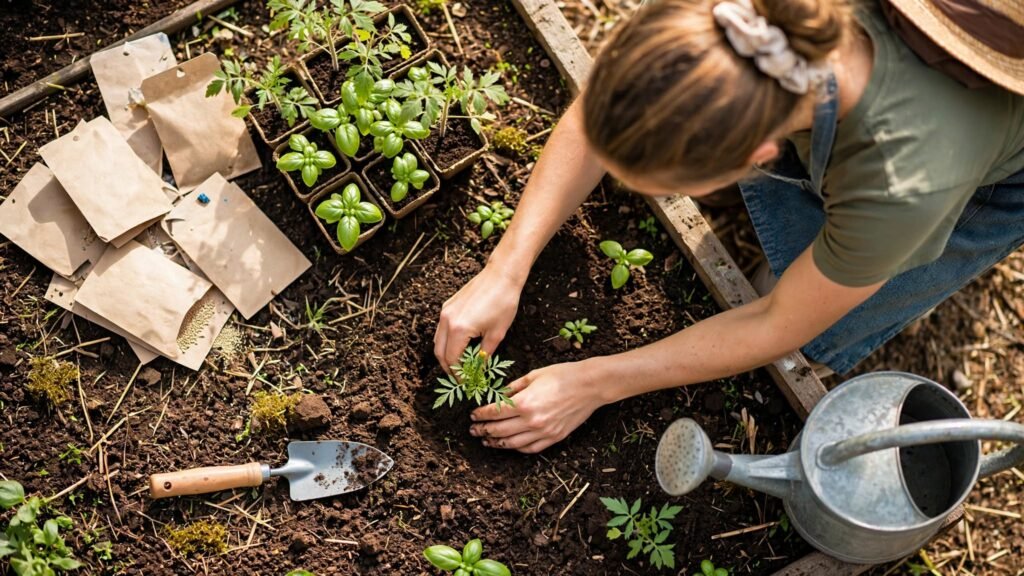
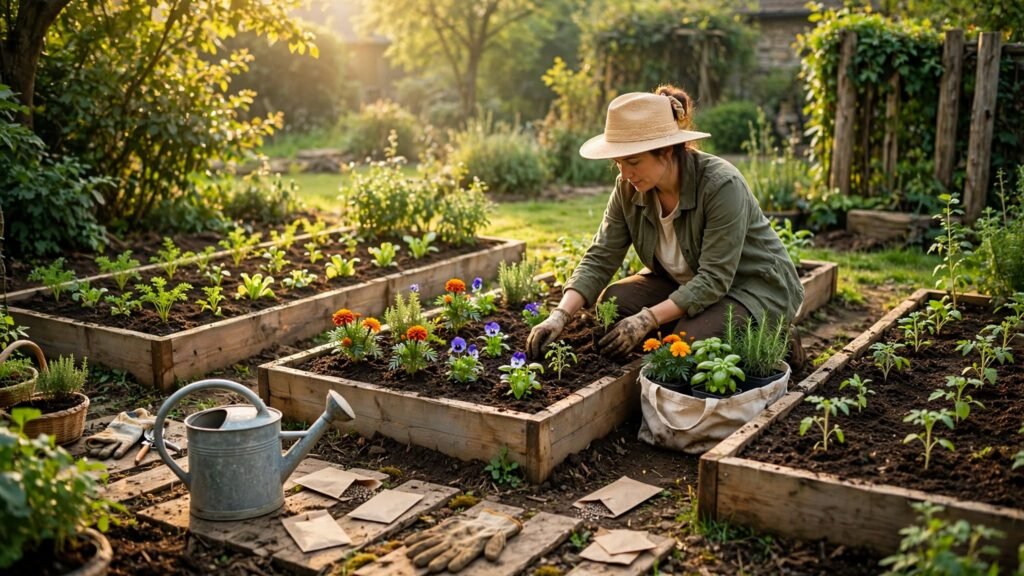
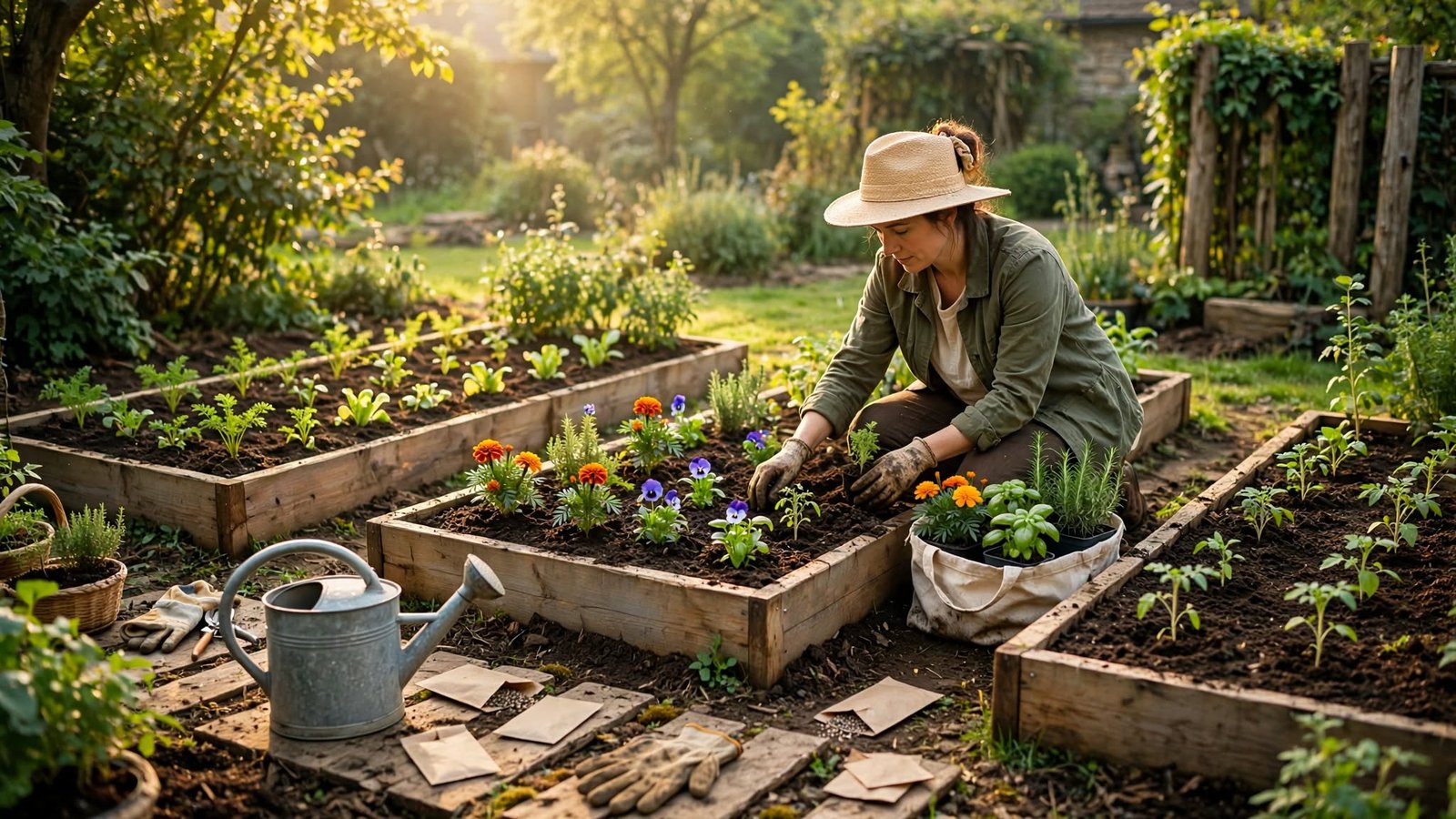
You can begin your garden from seeds, seedlings, or young nursery plants. Seeds are usually economical and provide a wide range of choices, while young plants can be easier for beginners because they already have a head start. If growing from seed, follow the recommended planting depth and timing on the seed packet. Avoid planting seeds too deeply, as this can make germination difficult. When transplanting young plants, handle their roots gently and give them enough space to develop. If you are uncertain about what works best in your region, begin with a few easy-growing plants and learn from the results.
8. Create a Simple Garden Layout
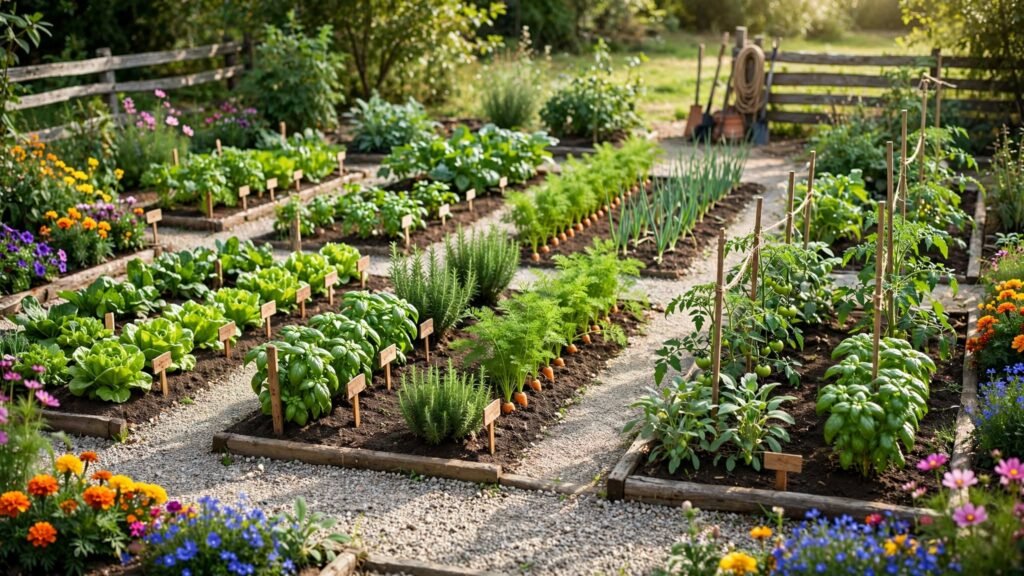
A thoughtful layout can make a garden more productive and attractive. Place taller plants where they will not unnecessarily shade shorter plants. Group plants with similar watering and sunlight requirements together. Leave enough space between plants to allow air movement and future growth. You can also combine vegetables, herbs, and flowers to create a diverse and visually appealing garden. For example, herbs can grow alongside vegetables, while flowers can add color and attract beneficial pollinators. Avoid overcrowding because plants that are packed too closely together may compete for resources and have less airflow.
9. Water Your New Garden Correctly
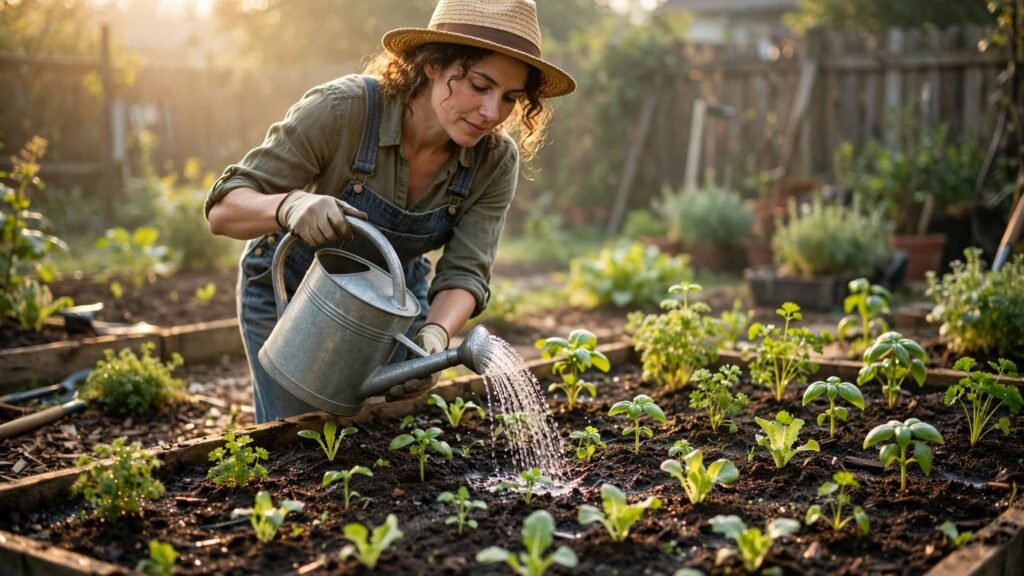
Water is essential during the early stages of garden growth, but more water does not always mean healthier plants. Newly planted seeds and seedlings generally need consistent moisture while their roots become established. Water slowly and deeply enough to moisten the root zone rather than creating shallow, frequent watering. Early morning is often a practical time to water because plants have time to absorb moisture during the day. Check the soil before watering instead of following a rigid schedule. Weather, soil type, plant size, and season can all affect watering requirements. Mulching around plants can also help reduce moisture loss.
10. Add Mulch Around Your Plants
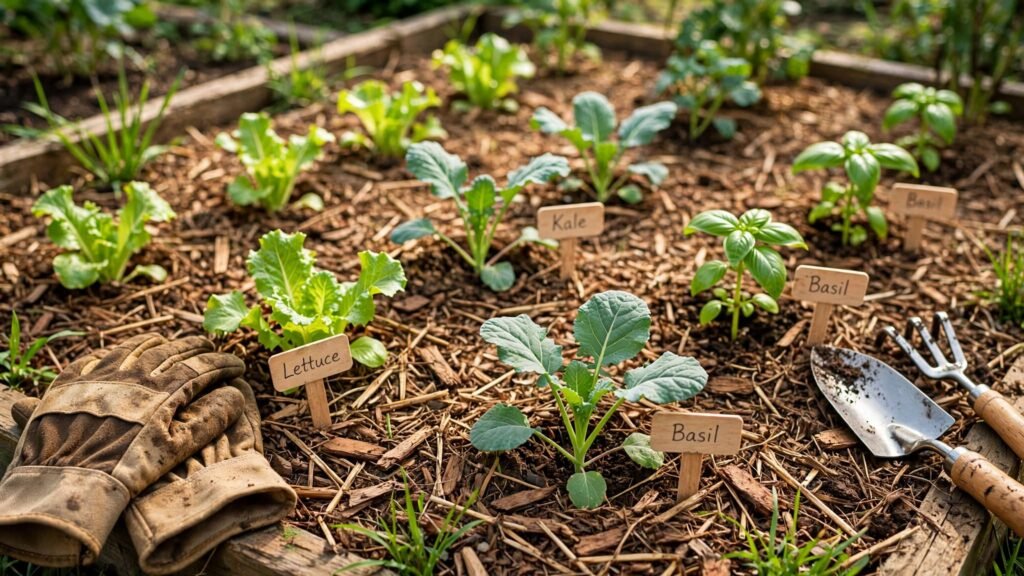
Mulching is one of the easiest ways to make garden maintenance more manageable. A suitable layer of organic mulch can help conserve soil moisture, reduce weed growth, moderate soil temperature, and gradually contribute organic matter as it breaks down. Common organic mulch materials include shredded leaves, straw, untreated wood materials, and composted organic matter. Keep mulch slightly away from plant stems to reduce the risk of excess moisture around the base. Do not create extremely thick layers that prevent water from reaching the soil. A properly applied mulch layer can make a noticeable difference in a beginner garden.
11. Learn How to Control Weeds
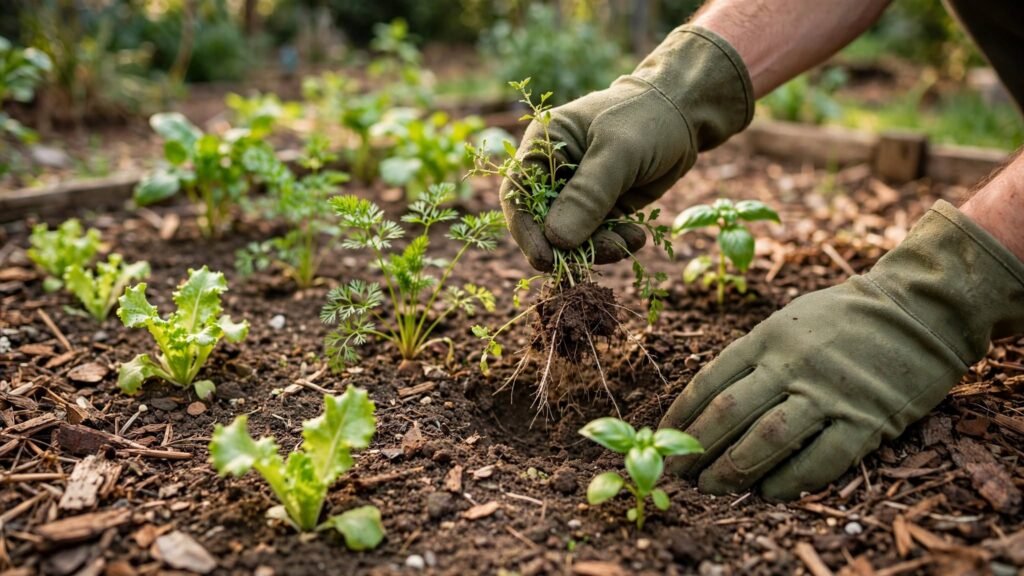
Weeds compete with garden plants for sunlight, water, nutrients, and space. The easiest way to control them is to stay consistent rather than allowing weeds to become established. Inspect your garden regularly and remove small weeds while they are young. Mulching can reduce the number of weeds that appear. When pulling weeds, try to remove the roots whenever possible. Avoid disturbing the soil more than necessary because repeated soil disturbance can bring additional weed seeds to the surface. Learning to identify common weeds in your area will also help you decide which plants should stay and which should be removed.
12. Watch for Garden Pests and Problems
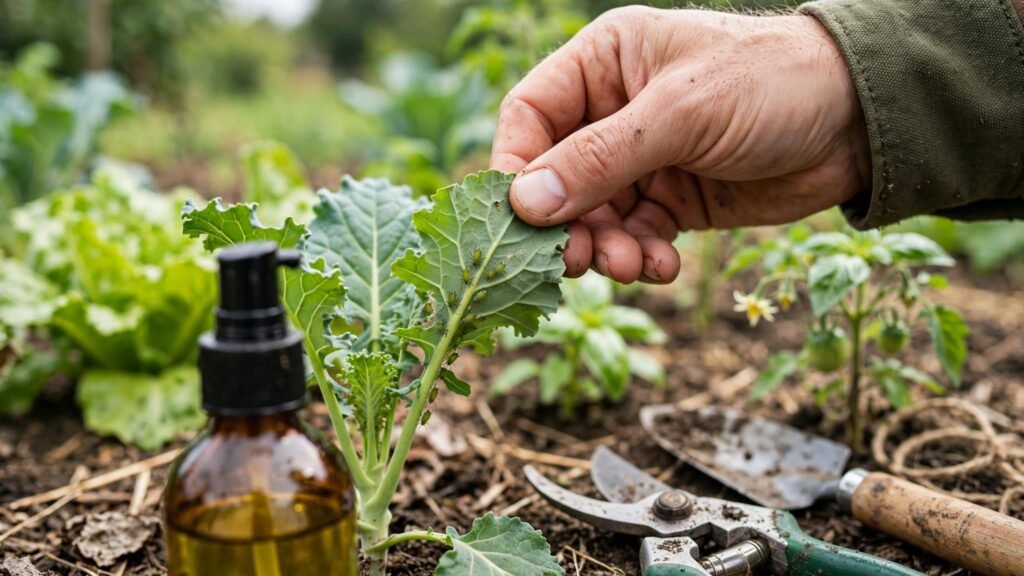
New gardeners often worry when they discover holes, discoloration, or insects on their plants. Instead of immediately reaching for a strong pesticide, inspect the plant carefully and try to identify the actual problem. Some insects are harmless or even beneficial, while others can damage plants if their populations become large. Healthy plants are often better able to tolerate minor pest pressure. Encourage beneficial insects, keep the garden clean, remove badly damaged leaves when appropriate, and monitor plants regularly. If treatment becomes necessary, choose a method suitable for the specific pest and follow product instructions carefully.
13. Maintain Your Garden Regularly
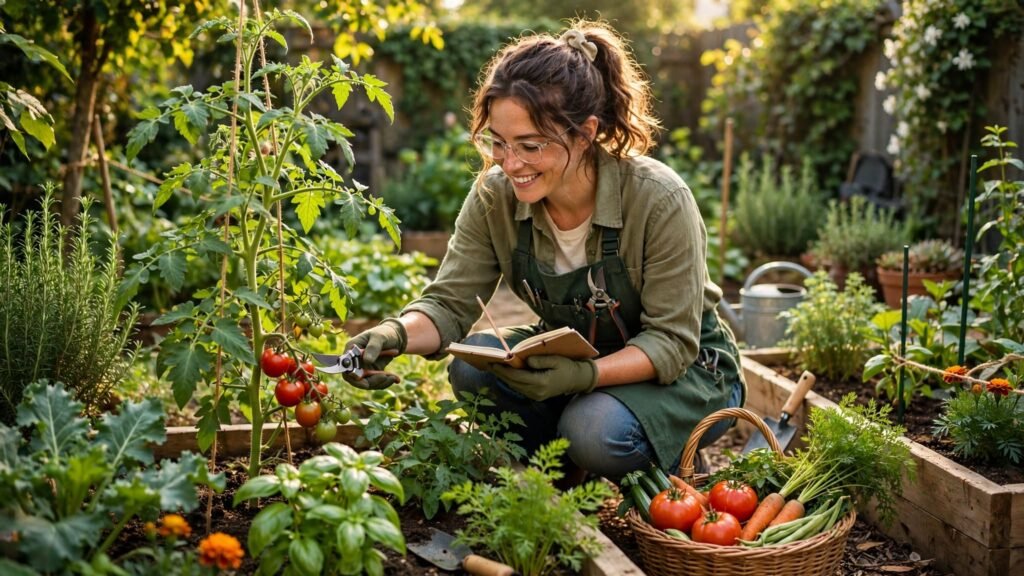
A successful garden from scratch is created through small, consistent actions rather than one great effort. Set aside a little time each week to inspect plants, water when necessary, remove weeds, check for pests, harvest mature crops, and tidy the garden. Prune plants only when appropriate for their species, and remove damaged or diseased growth when recommended. Keep notes about what you planted, when you planted it, and how each plant performed. These observations become extremely valuable during the next growing season. Gardening is a learning process, so do not become discouraged when something fails. Every season provides information that can improve your next garden.
14. Expand Your Garden Gradually
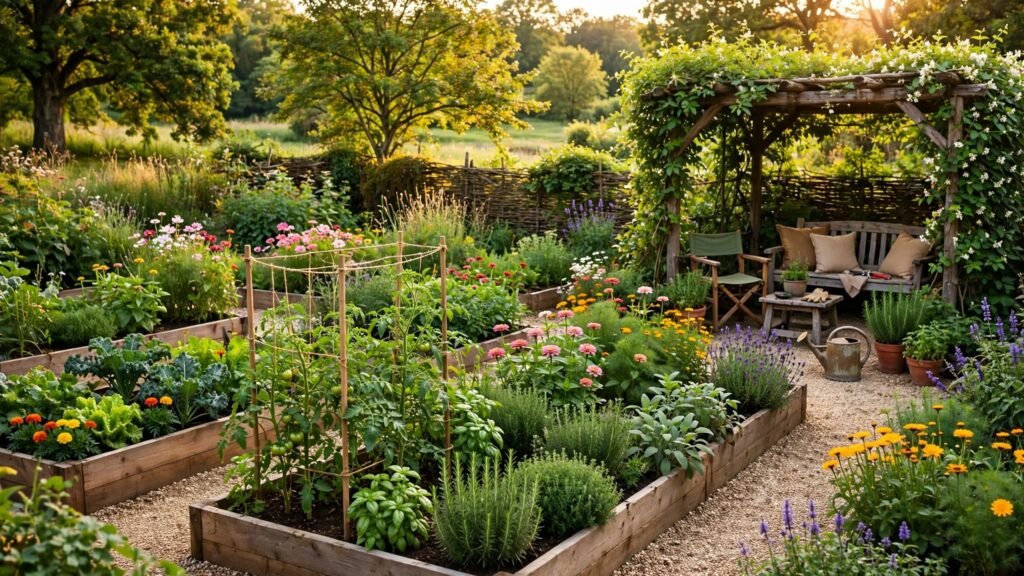
Once your first garden from scratch becomes established, you may want to add more plants, another garden bed, a herb section, flowers, or decorative features. Expand gradually instead of making major changes all at once. Pay attention to which plants performed well and which struggled. You can use those observations to improve your future garden design. Over time, you may also explore companion planting, composting, container gardening, vertical gardening, organic gardening, or landscaping ideas. The most enjoyable gardens are often those that evolve naturally with the gardener’s experience. Starting small gives you the opportunity to learn without becoming overwhelmed.
Conclusion
Starting a garden from scratch is much easier when you approach it one step at a time. Begin by choosing a suitable location, deciding what you want to grow, and preparing healthy soil before purchasing too many plants. A small, thoughtfully planned garden can teach you more than a large space that becomes difficult to manage. Pay attention to sunlight, drainage, spacing, watering, and seasonal planting times, and choose plants that naturally fit your growing conditions. As your plants establish themselves, continue checking for weeds, pests, watering needs, and signs of stress. Remember that gardening is a learning experience, not a test of perfection. Some plants may thrive while others may struggle, and both results can teach you something valuable about your garden and growing environment.
The best way to become a confident gardener is simply to begin and keep learning. Each season gives you an opportunity to understand your soil, discover which plants perform well, improve your garden layout, and develop better maintenance habits. Start with a manageable area and a few plants you genuinely want to grow, then expand when you feel ready. Add compost, mulch, flowers, herbs, vegetables, pathways, or decorative features as your garden develops. With regular attention and patience, an empty piece of ground can become a beautiful, productive space that provides food, color, wildlife, relaxation, and a rewarding connection with nature. Your first garden does not need to be perfect; it only needs to be a beginning.
Frequently Asked Questions (FAQ’s)
Start by choosing a suitable location, deciding what you want to grow, preparing the soil, selecting plants suited to your conditions, and creating a simple planting plan. Begin with a small area so it remains manageable.
Before planting, assess sunlight, check drainage, remove weeds and debris, prepare the soil, add organic matter if needed, and select plants suited to your growing conditions.
A beginner garden can be quite small. A compact garden bed or several containers are often easier to maintain than a large garden. You can expand the space as you gain experience.
Both options can work. Seeds are economical and offer many varieties, while young plants can be easier for beginners because they already have established growth. Choose according to the plant and growing season.
Watering frequency depends on weather, soil, plant type, and season. Check the soil regularly and water when plants need moisture rather than following an inflexible schedule.
Easy plants vary by climate and season, but many beginners start successfully with herbs, leafy greens, beans, radishes, marigolds, sunflowers, and other plants suited to their local growing conditions.