13 Stunning Shade Garden Ideas to Transform Your Backyard
Shade gardens are often overlooked in landscape design, but they can become some of the most beautiful and peaceful spaces in any yard. Areas under trees, along fences, or beside buildings may not receive much sunlight, yet they offer a unique opportunity to create a lush and relaxing garden filled with texture, greenery, and subtle color. By choosing shade-loving plants and incorporating thoughtful design elements like pathways, seating areas, water features, and layered plant arrangements, you can transform even the darkest corner of your yard into a thriving oasis.
Shade gardens are also easier to maintain because they retain moisture longer and experience less heat stress than sunny gardens. In this guide, you’ll discover 13 inspiring shade garden ideas that will help you design a stunning garden in low-light conditions. Whether you have a small backyard, a woodland landscape, or a shaded patio area, these creative ideas will help you turn neglected spaces into vibrant garden retreats that feel peaceful, natural, and inviting.
1. Plant a Lush Fern Garden
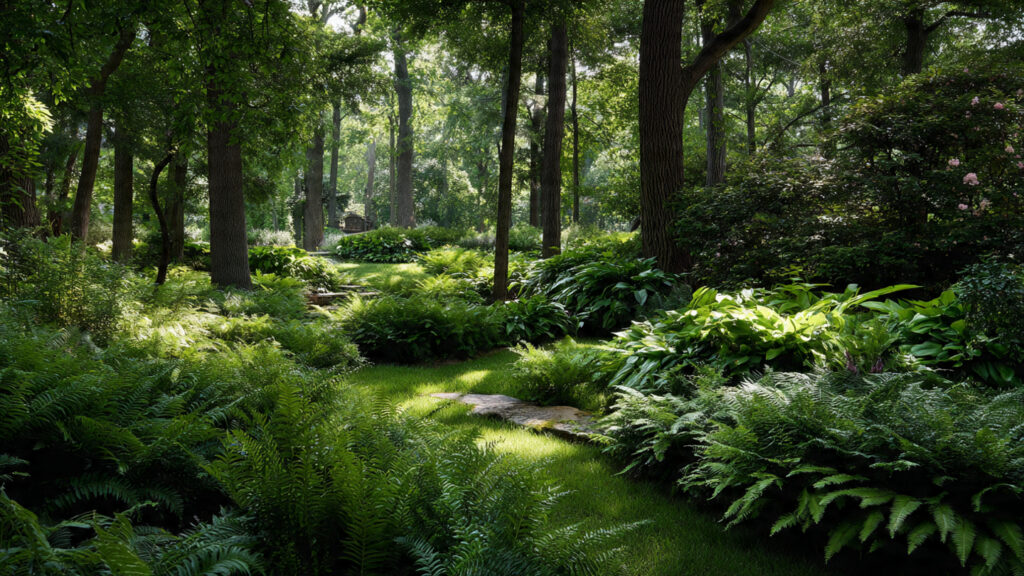
Ferns are one of the most reliable and beautiful plants you can grow in a shade garden. Their delicate, feathery fronds create a soft woodland look that instantly makes a shady space feel natural and peaceful. Ferns thrive in cool, moist environments where sunlight is limited, making them perfect for planting under trees or along shaded fences. When designing a fern garden, consider mixing several varieties to add texture and depth. Taller ferns, such as Ostrich Ferns, can form the background layer, while medium varieties like Lady Ferns fill the middle section. Smaller ferns, such as Japanese Painted Ferns, provide detailed texture near pathways or garden edges.
Adding organic mulch around the plants helps retain moisture and keeps the soil cool, which encourages healthy fern growth. You can also combine ferns with shade-loving companions like hostas or moss to create a rich, layered landscape. Over time, fern gardens develop a lush forest-like atmosphere that feels calm and refreshing. Most ferns are low-maintenance and resistant to pests. They are an excellent choice for beginner gardeners who want a thriving garden without constant care.
2. Create a Hostas Collection Garden
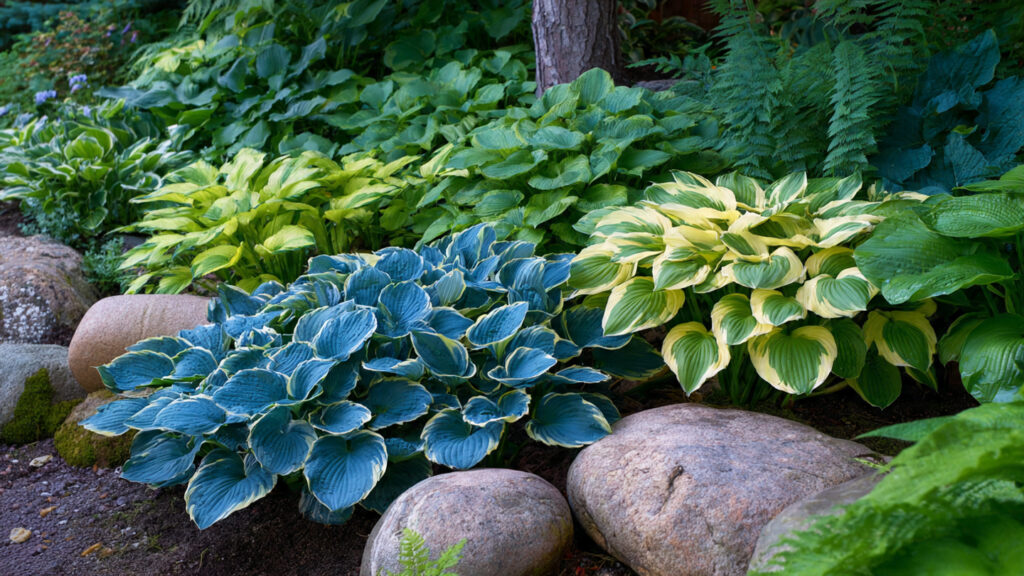
Hostas are among the most popular shade plants because of their bold foliage and incredible variety. Instead of planting just one type, consider creating a hosta collection garden where several varieties grow together. Hostas come in many colors, including deep green, blue-green, golden yellow, and variegated patterns that combine white or cream edges with green centers. Their large textured leaves add visual interest even when the plants are not flowering. To design a hosta garden, start by selecting a mix of sizes. Large hostas can anchor the back of a garden bed, medium varieties fill the middle area, and smaller hostas work beautifully near borders or pathways.
This layered approach creates depth and structure while making the garden feel full and balanced. Hostas also pair well with shade companions like heuchera, astilbe, and ferns, which provide contrast in texture and color. Because hostas prefer moist soil and filtered sunlight, they thrive in areas beneath trees or along shaded garden walls. With proper watering and occasional fertilizing, hostas will return each year larger and healthier, making them a long-lasting centerpiece in any shade garden design.
3. Add a Woodland Pathway
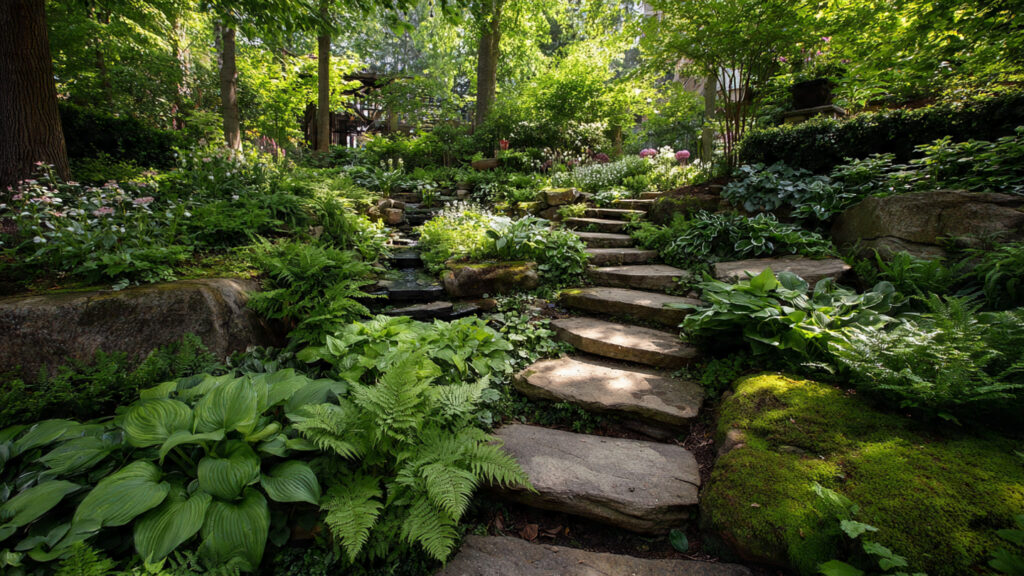
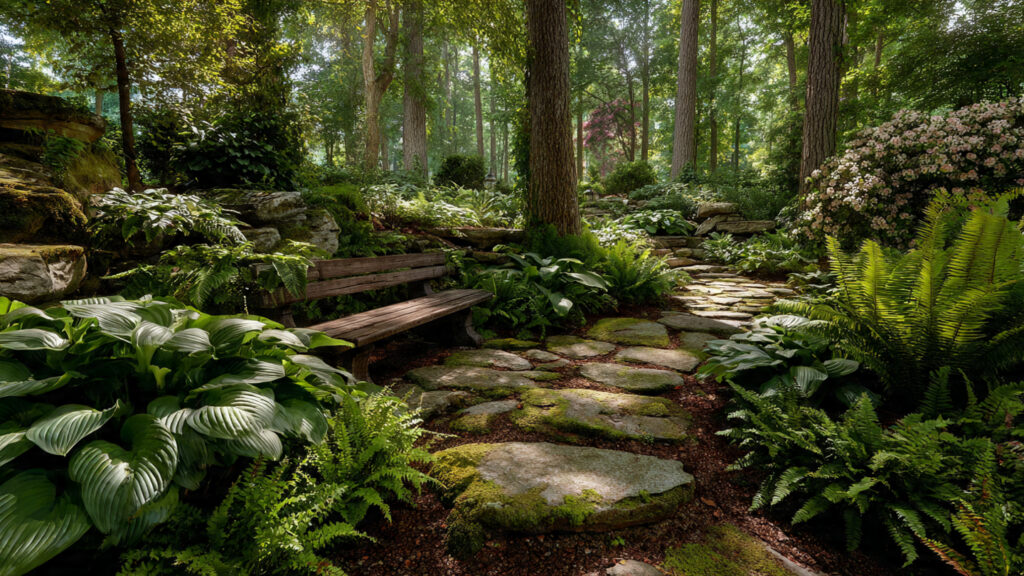
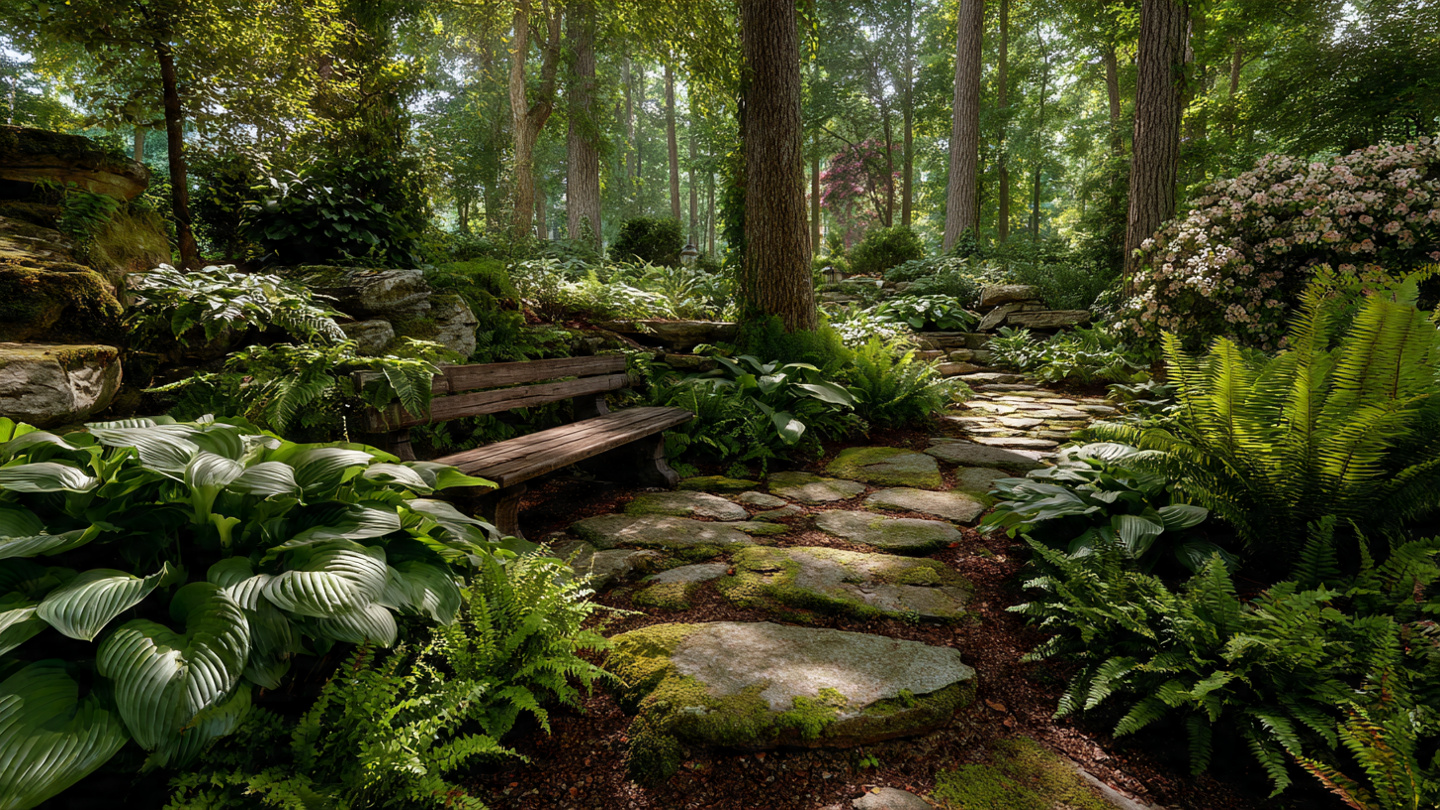
A woodland pathway can transform a simple shade garden into an enchanting outdoor experience. Paths guide visitors through the garden while adding structure and visual flow to the landscape. In shaded areas, natural-looking materials work best because they blend with the calm woodland atmosphere. Stone stepping stones, gravel pathways, bark mulch trails, or reclaimed brick paths are all excellent choices. When designing a path, allow it to gently curve through plants rather than running in a straight line. Curved pathways feel more natural and encourage people to explore the garden slowly.
Surround the path with shade-loving plants like ferns, hostas, and ground covers to soften the edges and create a lush environment. Adding moss between stones can enhance the natural woodland effect. Small decorative elements such as lanterns, wooden benches, or birdbaths along the path can also add charm and personality. Pathways not only improve the visual appeal of a shade garden but also make it easier to maintain by providing access to plants for watering, pruning, or cleaning. A thoughtfully designed woodland path makes even a small shaded yard feel like a magical, hidden retreat.
4. Grow Shade-Loving Flowers
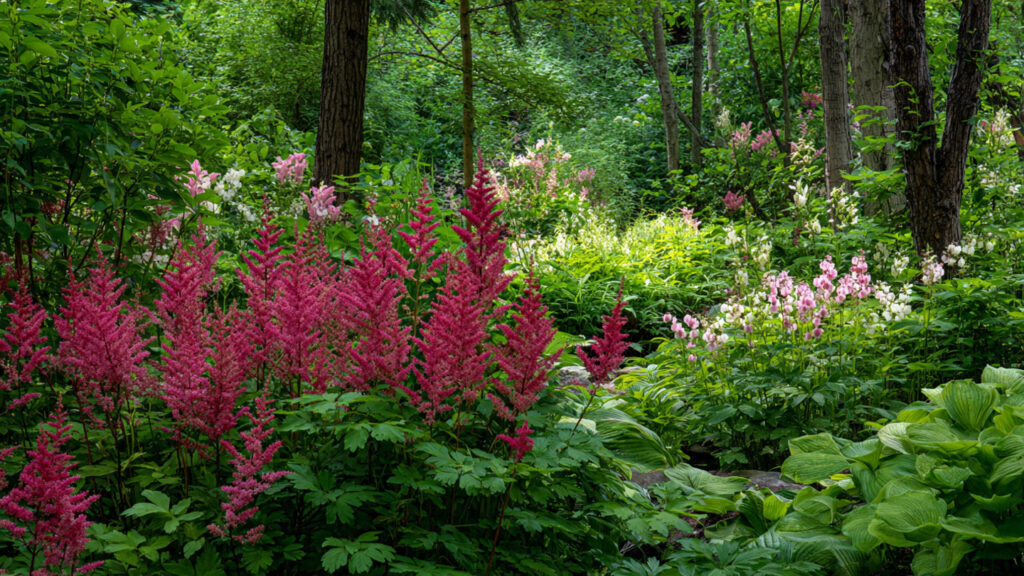
Many gardeners assume flowers require full sunlight, but several beautiful flowering plants thrive in shaded environments. Incorporating shade-loving flowers into your garden allows you to add gentle bursts of color without needing direct sunlight. Plants like astilbe, bleeding heart, impatiens, foxglove, and hydrangeas grow well in partial or full shade. These plants produce delicate blooms that brighten darker areas of the garden while still maintaining the calm woodland feel. When designing a shade flower bed, group plants with similar moisture and soil needs together.
Astilbe and hydrangeas enjoy moist soil, making them ideal companions beneath trees where shade keeps the ground cool. Bleeding heart plants add elegance with their heart-shaped flowers that hang gracefully from arching stems. Mixing flowering plants with foliage plants such as ferns or hostas creates contrast and balance. The flowers add color while the foliage provides texture and fullness. Over time, these plants form a vibrant display that evolves through the seasons. Shade flowers are perfect for gardeners who want a garden that feels lively and colorful even without strong sunlight.
5. Design a Moss Garden
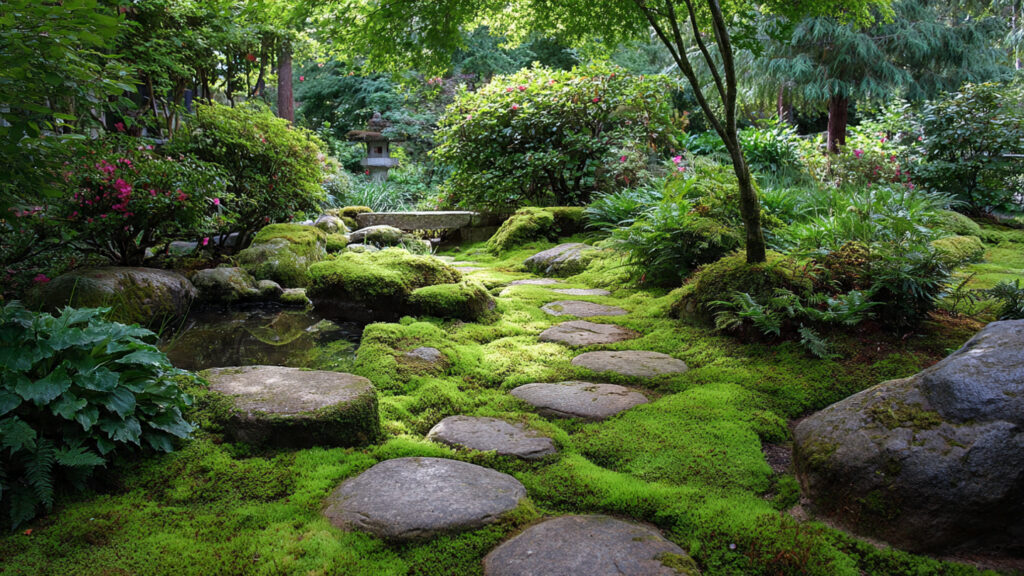
Moss gardens are incredibly peaceful and often inspired by traditional Japanese garden design. Moss thrives in damp, shaded environments where other plants may struggle, making it perfect for low-light garden areas. Unlike many plants, moss does not require deep soil or fertilizers. It spreads naturally across rocks, soil, and shaded ground surfaces, forming a soft green carpet that feels almost magical. To design a moss garden, start by clearing weeds and smoothing the soil surface. Place natural stones, stepping stones, or decorative rocks throughout the space to create structure.
Moss can then grow around these elements, softening the hard edges and making the garden appear older and more natural over time. Moss gardens work particularly well near water features or beneath large trees where humidity levels remain high. Because moss grows slowly and requires little maintenance, it is perfect for gardeners seeking a peaceful and minimalist design. Adding a small bench, stone lantern, or wooden bridge can complete the tranquil atmosphere. A moss garden offers a calming retreat that feels timeless, making it one of the most unique shade garden styles you can create.
6. Add a Shade Garden Seating Area
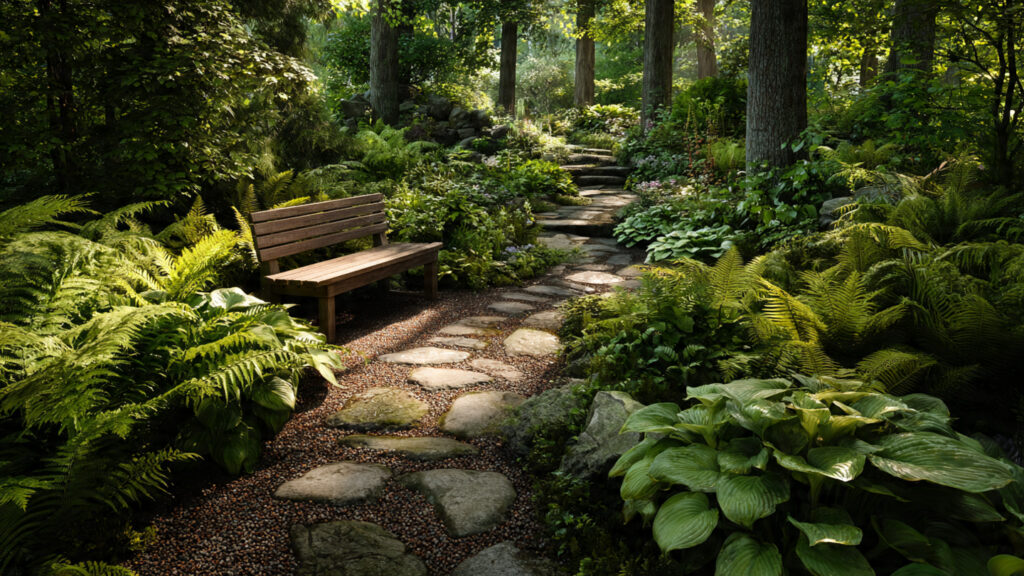
A shaded garden is the perfect place to create a relaxing outdoor seating area. During warm summer days, shaded spaces remain cooler and more comfortable than sunny parts of the yard. Adding a bench, garden chair, or small bistro table allows you to enjoy the peaceful beauty of your garden while reading, drinking tea, or simply relaxing. When designing a seating area, choose materials that complement the natural garden environment. Wooden benches, wrought iron chairs, or rustic stone seats work beautifully in shade gardens.
Surround the seating space with lush plants like hostas, ferns, and hydrangeas to create a private and cozy atmosphere. You can also add decorative elements such as outdoor cushions, lanterns, or small side tables for added comfort. Placing the seating area near a pathway or water feature enhances the overall garden experience. A shaded seating corner becomes a personal retreat where you can escape daily stress and connect with nature. Over time, the surrounding plants will grow fuller, creating a secluded garden sanctuary that feels calm, refreshing, and welcoming.
7. Plant Layered Shade Landscaping
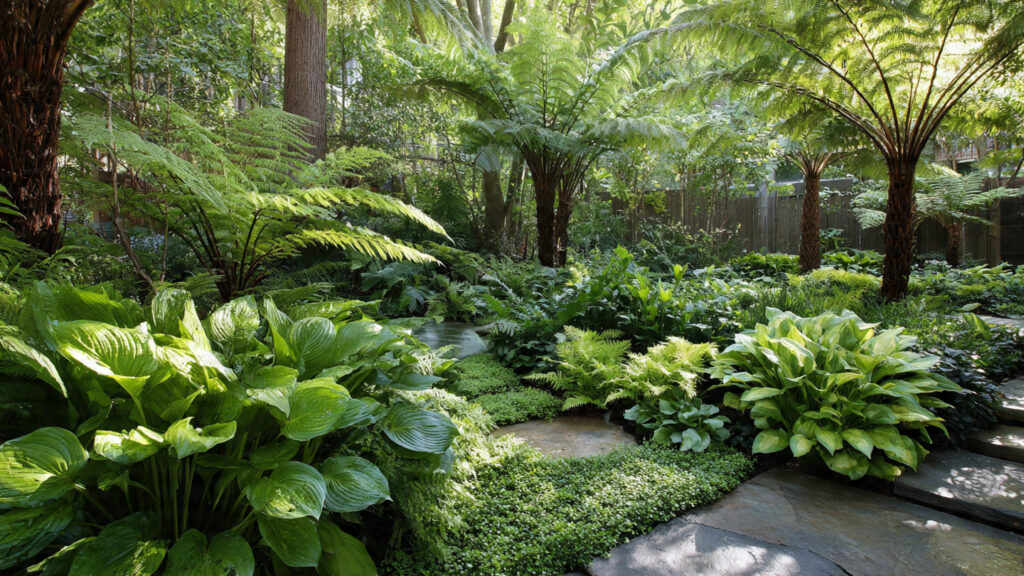
Layering plants is one of the most effective ways to create a full and visually appealing shade garden. In nature, forests grow in layers, with tall trees forming the canopy, medium shrubs filling the middle space, and ground cover plants spreading across the forest floor. By copying this natural pattern, you can design a shade garden that looks balanced and lush. Begin with taller plants such as hydrangeas, large ferns, or shade-tolerant shrubs to form the background layer. In the middle layer, add plants like hostas, heuchera, or astilbe to provide structure and color.
Finally, use ground cover plants such as creeping jenny, ivy, or pachysandra to fill empty spaces near the soil. This layered approach creates depth and prevents the garden from looking flat or sparse. It also helps retain soil moisture and reduce weed growth. Layered planting designs are particularly effective in shaded areas where sunlight filters through tree branches. The combination of textures, heights, and colors creates a natural woodland atmosphere that feels both organized and effortless.
8. Install a Small Water Feature
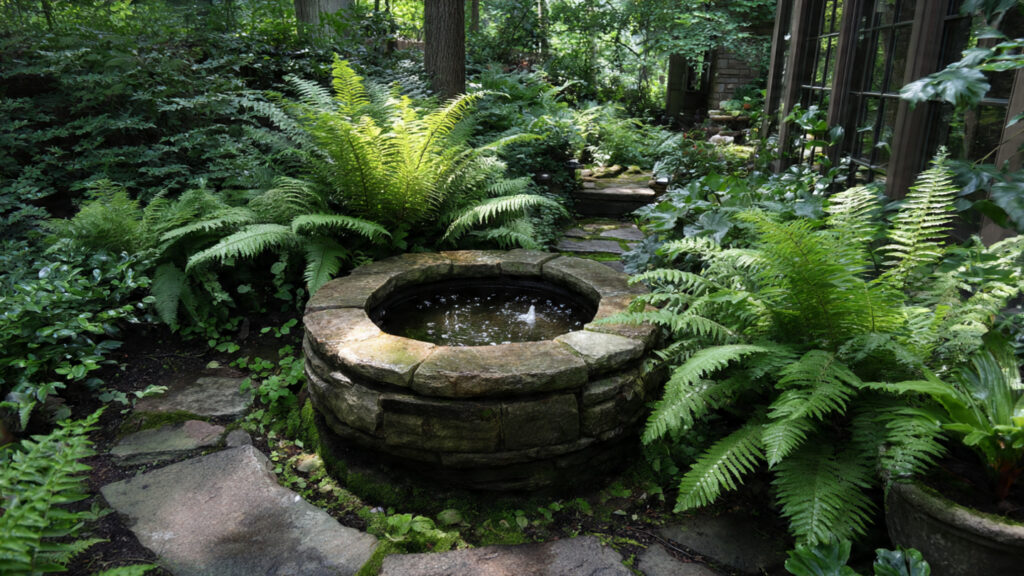
Adding a water feature can completely transform the atmosphere of a shade garden. The gentle sound of flowing water creates a relaxing environment that encourages people to slow down and enjoy nature. In shaded areas, water features also blend naturally with surrounding greenery, creating a peaceful woodland setting. Small fountains, bird baths, or mini ponds are perfect choices for shade gardens because they require minimal space. A simple stone fountain surrounded by ferns and moss can become a beautiful focal point in the garden.
Water features also attract birds, butterflies, and beneficial insects, which bring life and movement into the landscape. When installing a water feature, choose a location where it can be easily seen and heard from a seating area or pathway. Adding decorative stones or shade plants around the water source helps integrate it into the overall design. Even a small fountain can make a big difference in how the garden feels. The soothing sound of water combined with lush shade plants creates a tranquil space that feels like a hidden natural retreat.
9. Use Decorative Garden Containers
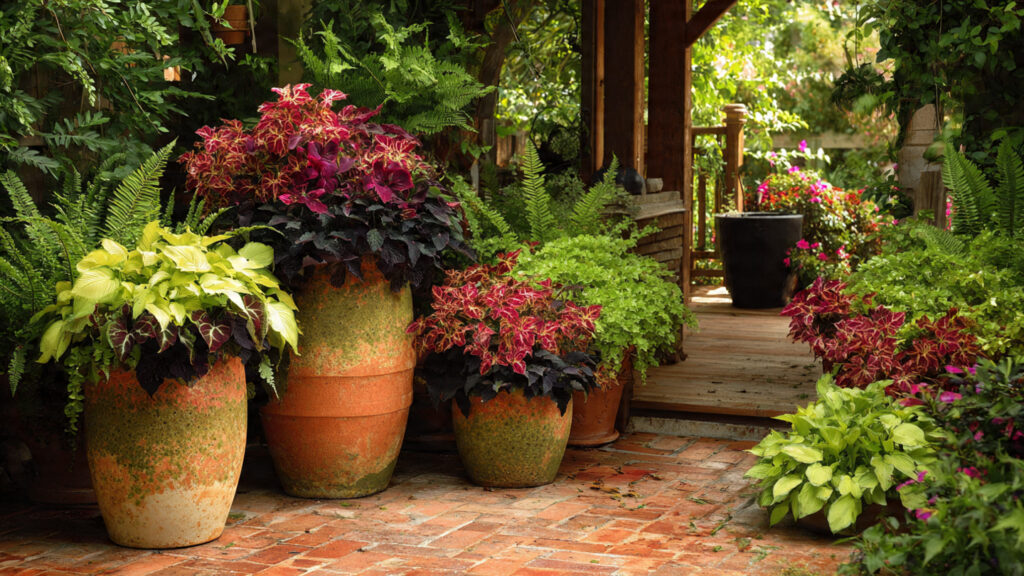
Containers are a fantastic solution for adding variety and flexibility to shade gardens. If certain areas of your yard have limited soil space or poor ground conditions, decorative pots and planters allow you to grow plants easily. Shade-loving plants such as begonias, coleus, caladiums, and ferns thrive in containers placed on patios, decks, or shaded garden corners. One advantage of container gardening is the ability to move plants around to find the perfect lighting conditions. Containers also add visual interest because they come in many styles, colors, and materials. Ceramic pots, wooden planters, and metal containers can all enhance the aesthetic of your garden.
Mixing plants with different leaf shapes and colors in one container creates a lush arrangement that looks professionally designed. Placing groups of containers at different heights using plant stands or steps can create depth and dimension. Containers also make seasonal gardening easier because plants can be replaced or rearranged whenever you want to refresh the garden’s appearance. With thoughtful placement, container plants can brighten even the darkest shaded spaces.
10. Grow Ground Cover Plants
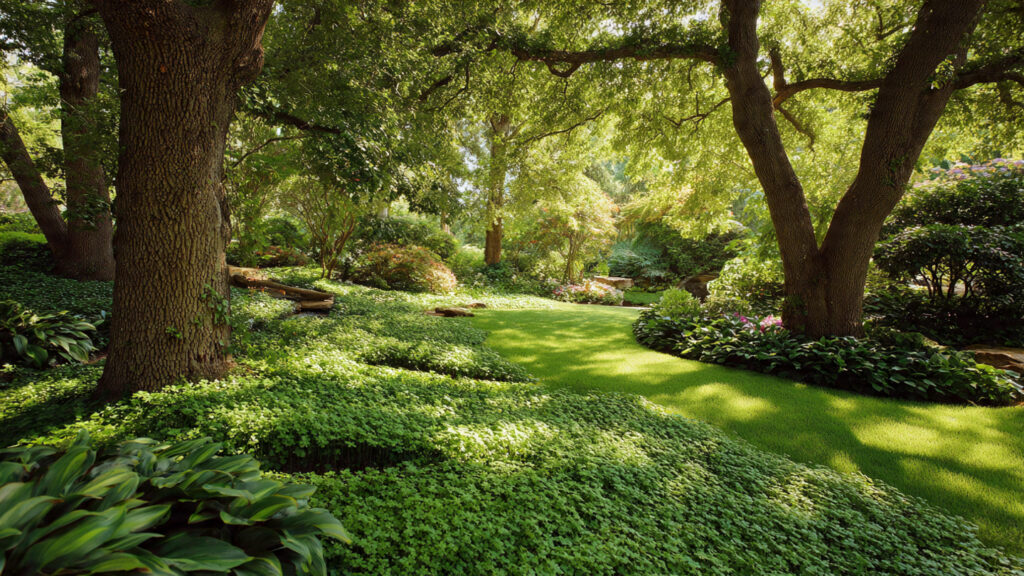
Ground cover plants are essential for filling empty spaces in a shade garden while creating a lush green carpet across the soil. In shaded areas, grass often struggles to grow well, so ground cover plants become a practical and beautiful alternative. Plants such as creeping jenny, pachysandra, ajuga, and sweet woodruff spread gradually across the ground, covering bare soil and preventing weeds from growing. These plants also help retain soil moisture and improve the overall health of the garden. When planting ground covers, space them evenly across the garden bed and allow them time to spread naturally.
Over time, they will connect and create a dense layer of foliage that looks vibrant and natural. Ground covers are especially effective beneath trees where other plants may struggle due to limited sunlight and root competition. Combining ground covers with taller plants like ferns or hostas creates a balanced, layered garden design. The result is a smooth, green landscape that feels full and well-maintained with minimal effort.
11. Add Vertical Garden Elements
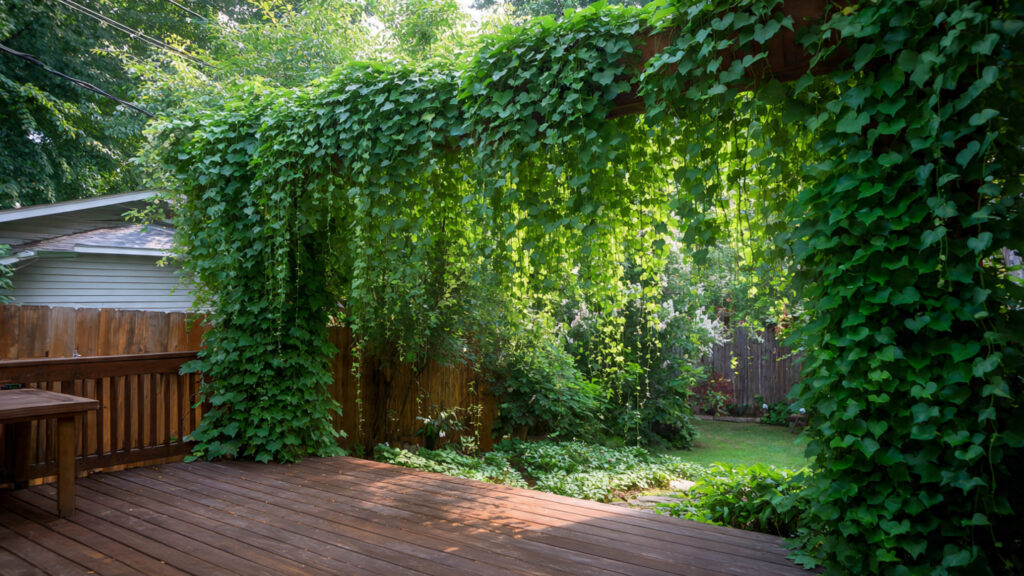
Vertical elements can add height and drama to a shade garden while making better use of limited space. Garden trellises, arches, and living walls allow plants to grow upward rather than spreading only across the ground. Climbing plants such as ivy, climbing hydrangea, and certain types of clematis thrive in shaded environments and can quickly cover vertical structures. Installing a trellis against a fence or wall creates an attractive focal point while providing support for climbing plants. Hanging baskets filled with shade plants like ferns or begonias can also add vertical interest.
Vertical gardening works especially well in small backyards where ground space is limited. By drawing the eye upward, vertical elements make the garden appear larger and more dynamic. These structures also create additional shade and shelter for smaller plants growing below. When combined with layered planting and pathways, vertical features help transform a simple shade garden into a visually rich and engaging landscape.
12. Incorporate Garden Lighting
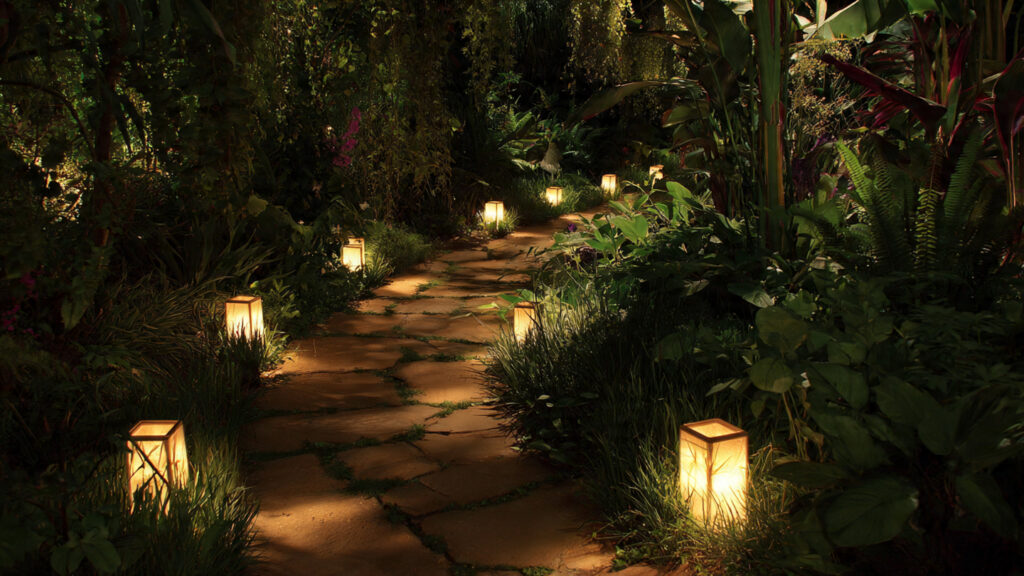
Garden lighting can dramatically enhance the beauty of a shade garden, especially during the evening. Soft lighting highlights plant textures and creates a magical atmosphere after sunset. Solar-powered pathway lights are an easy and eco-friendly option that requires no wiring. Lanterns, string lights, and small spotlights can also be used to illuminate pathways, seating areas, and focal plants. In shaded gardens, lighting helps brighten darker corners and make the space feel welcoming even at night. Placing lights along pathways improves safety while also guiding visitors through the garden.
Uplighting beneath trees or large plants can create beautiful shadows that emphasize the structure of leaves and branches. Warm white lights usually work best because they create a calm and cozy ambiance rather than harsh brightness. With thoughtful placement, lighting transforms a simple garden into a stunning nighttime landscape. The combination of greenery, gentle illumination, and quiet surroundings creates an outdoor space that feels peaceful and inviting.
13. Create a Complete Shade Garden Sanctuary
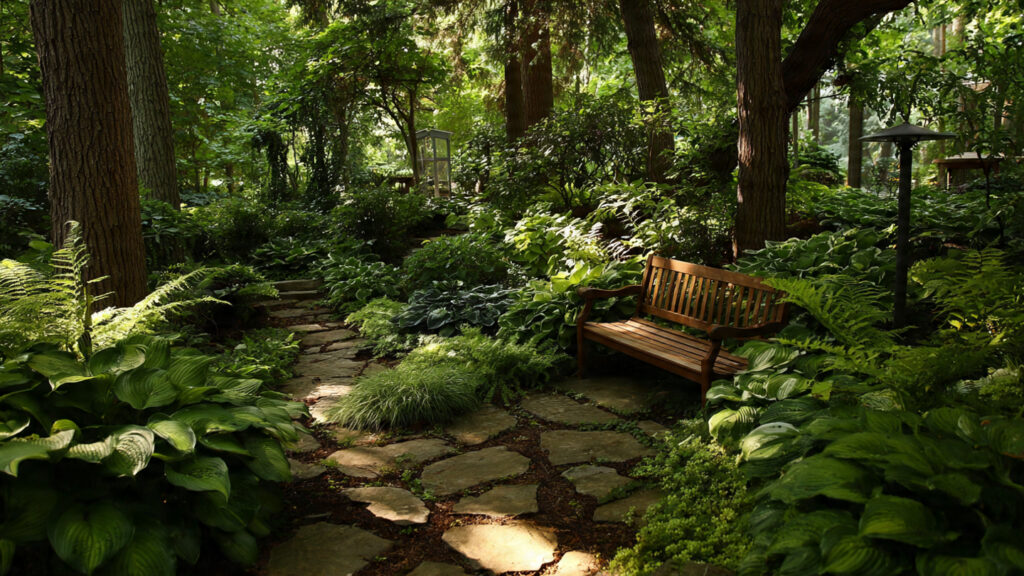
A shade garden sanctuary combines several design elements to create a peaceful retreat where nature and relaxation come together. Instead of focusing on just plants, think about the entire experience of the garden. Start with lush foliage plants like ferns, hostas, and hydrangeas to build a rich green foundation. Add pathways to guide movement through the garden and seating areas where you can rest and enjoy the scenery. Incorporate water features or birdbaths to attract wildlife and create soothing natural sounds. Lighting can be added to make the space enjoyable during evening hours as well.
Decorative touches such as sculptures, lanterns, or wooden bridges can also add personality and charm. The goal is to design a garden that feels calm, immersive, and inviting. Over time, as plants grow and fill the space, the garden becomes a private sanctuary where you can relax and recharge. Even a small shaded corner can become a beautiful retreat when thoughtful design and natural elements work together.
Conclusion
Creating a shade garden is a wonderful way to transform overlooked or darker areas of your yard into a peaceful and vibrant outdoor retreat. With the right combination of shade-loving plants, thoughtful landscaping, and creative design elements, even spaces with limited sunlight can become lush and inviting. Ideas like planting ferns and hostas, adding woodland pathways, installing water features, and incorporating garden lighting help bring texture, beauty, and personality to shaded landscapes. By layering plants, using ground covers, and adding comfortable seating areas, you can design a garden that feels natural, relaxing, and full of life. Whether you have a small shaded corner or a large tree-covered backyard, these shade garden ideas can help you build a refreshing green sanctuary where you can unwind, enjoy nature, and experience the quiet beauty of a well-designed garden.
Frequently Asked Questions (FAQ’s)
Many plants thrive in shade gardens, including hostas, ferns, astilbe, bleeding heart, hydrangeas, and heuchera. These plants are well adapted to low-light environments and provide beautiful foliage and seasonal flowers.
You can make a shade garden attractive by layering plants, adding pathways, including decorative containers, installing soft garden lighting, and incorporating features like benches or water fountains.
Yes, many flowers grow well in shade. Popular shade-loving flowers include impatiens, foxglove, astilbe, hydrangea, and bleeding heart. These plants add color and beauty to low-light areas.
Some of the best ground covers for shade gardens include creeping jenny, pachysandra, ajuga, ivy, and sweet woodruff. These plants spread across the soil and help prevent weeds.
Maintaining a shade garden involves watering plants regularly, adding mulch to retain moisture, removing weeds, pruning plants when needed, and ensuring the soil remains rich in organic matter.