How to Start a Vegetable Garden (Beginner’s Guide)
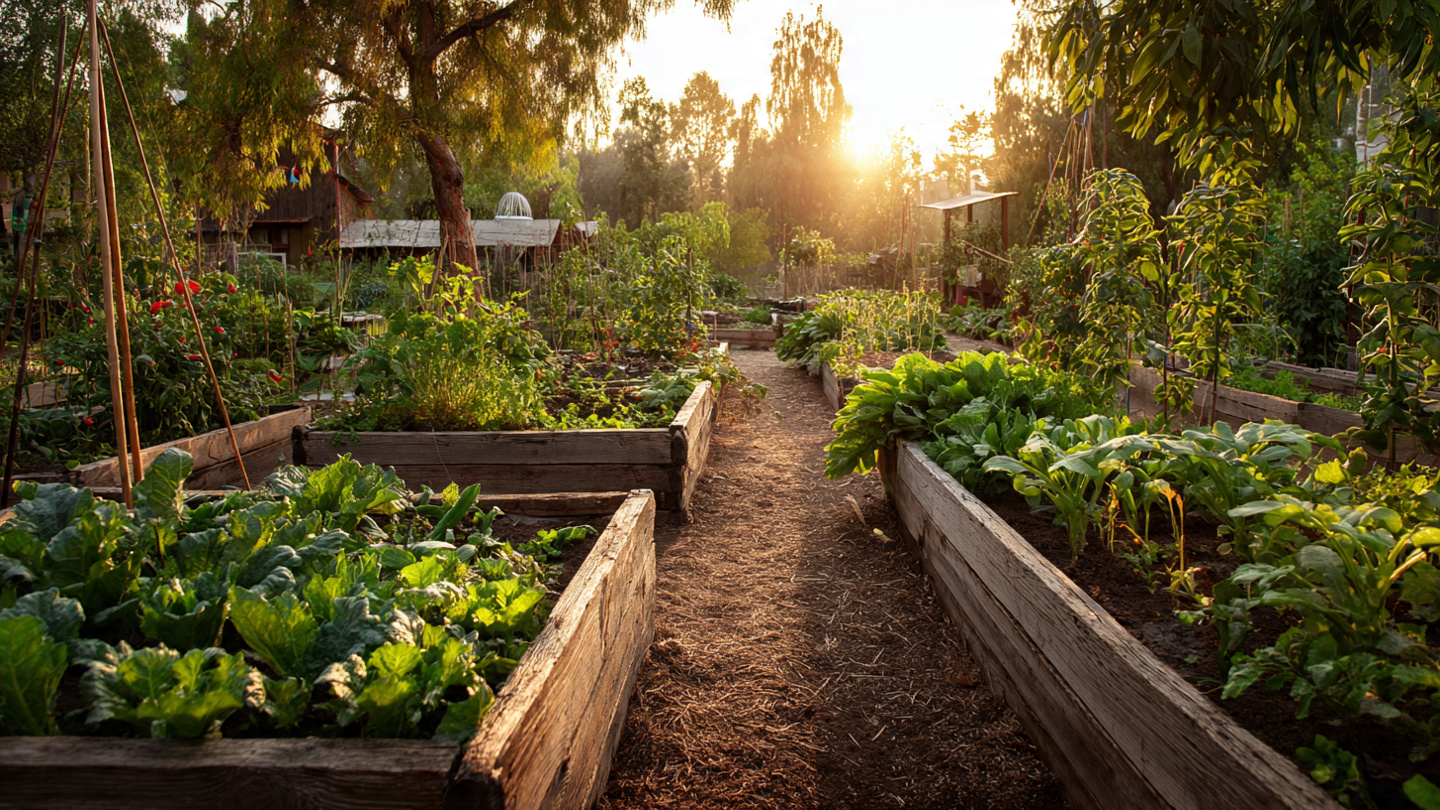
A vegetable garden is more than just a space for growing food—it is a lifestyle choice that encourages healthier eating, sustainability, and a deeper connection with nature. In today’s fast-paced world, many people are looking for ways to live more naturally and reduce dependence on store-bought produce that may contain chemicals or preservatives. Growing your own vegetables allows you to control what goes into your food while enjoying unmatched freshness and flavor. Whether you have a spacious backyard, a small courtyard, or even a sunny balcony, a vegetable garden can be adapted to fit your space and needs. This comprehensive guide explores everything from selecting the right location and preparing nutrient-rich soil to seasonal planting strategies, watering techniques, pest management, and sustainable gardening practices. Designed for both beginners and experienced gardeners, this article will help you confidently build, maintain, and enjoy a productive vegetable garden throughout the year while creating a greener, healthier home environment.
Introduction to Vegetable Gardening
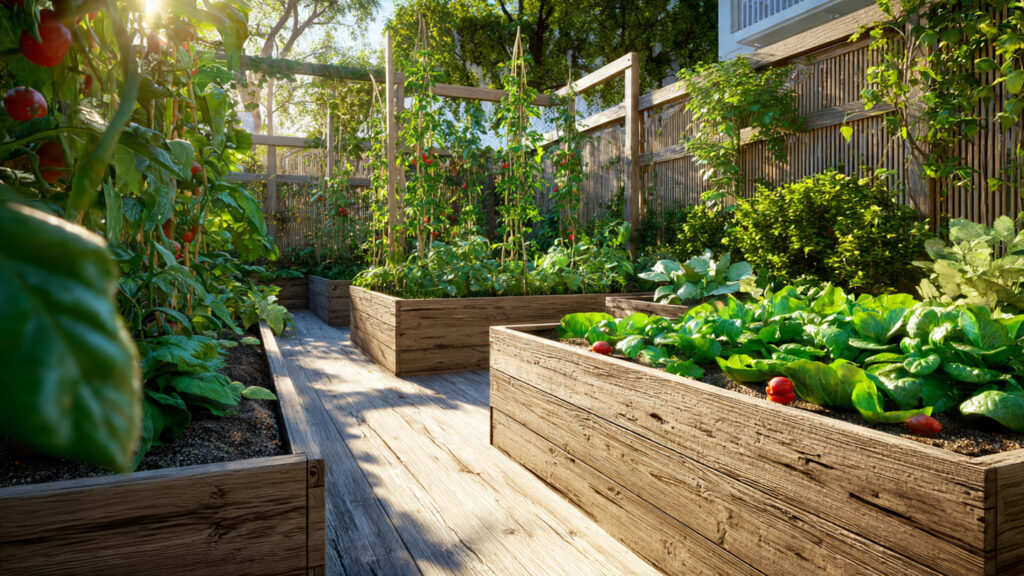
A vegetable garden is one of the most fulfilling and practical projects you can undertake at home. Beyond providing fresh, organic produce, it offers a sense of achievement that comes from nurturing plants from seed to harvest. Watching tiny seedlings grow into productive plants teaches patience, responsibility, and appreciation for nature’s cycles. Homegrown vegetables often taste better because they are harvested at peak ripeness rather than being transported long distances. Gardening also supports physical activity and mental well-being, as spending time outdoors reduces stress and improves focus. Whether you are planting in a traditional backyard plot or experimenting with container gardening, the process remains equally rewarding. With thoughtful preparation and consistent care, even beginners can achieve impressive results. The key lies in understanding your environment, choosing suitable crops, and maintaining healthy soil. Once you experience harvesting your own tomatoes, cucumbers, or leafy greens, you will realize that vegetable gardening is not just about food—it is about creating a sustainable and satisfying lifestyle.
Choosing the Right Location for Your Vegetable Garden
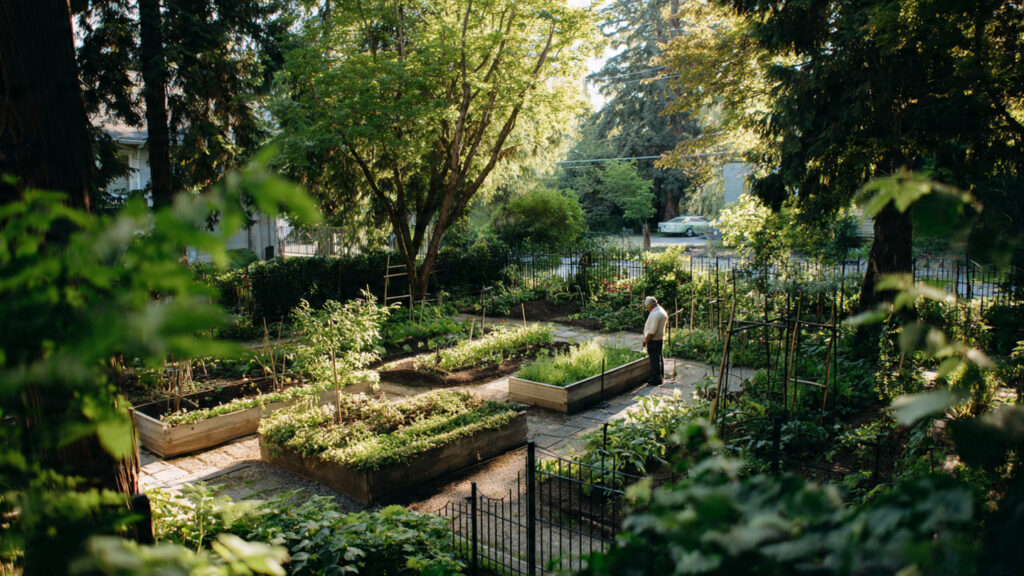
Choosing the right location is the foundation of a successful vegetable garden. Most vegetables require at least six to eight hours of direct sunlight daily to grow strong and produce abundant yields. Observing your outdoor space throughout the day helps determine the sunniest area. In addition to sunlight, proper air circulation is essential to prevent fungal diseases and pest infestations. Avoid low-lying areas where water collects after rainfall, as excessive moisture can damage plant roots. Easy access to a water source makes regular irrigation convenient and consistent. If your soil quality is poor or space is limited, raised beds provide better control over soil conditions and drainage. Urban gardeners can use balconies, rooftops, or patios by planting in containers and using vertical gardening techniques. The goal is to create a stable, well-lit, and accessible environment where vegetables can thrive. Careful site selection greatly increases your chances of a productive and low-maintenance garden.
Preparing Healthy Soil for Maximum Growth
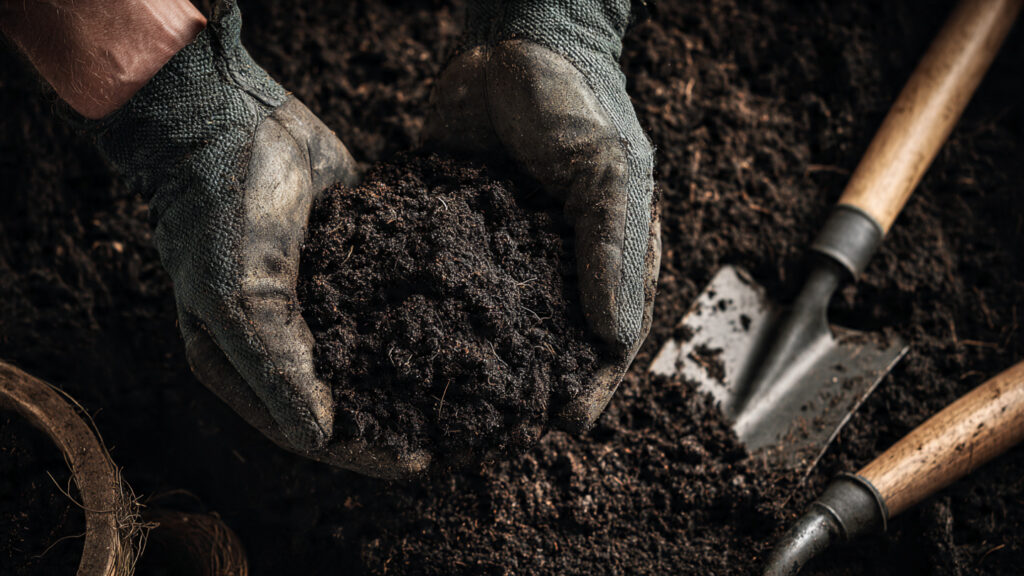
Healthy soil is the backbone of any thriving vegetable garden. Before planting, it is crucial to prepare the soil by removing weeds, loosening compacted areas, and incorporating organic matter such as compost or aged manure. Good soil should be rich in nutrients, well-draining, and capable of retaining adequate moisture. Testing soil pH helps ensure it falls within the ideal range of 6.0 to 7.0 for most vegetables. When soil structure is improved, plant roots can expand easily and absorb nutrients efficiently. Organic matter also encourages beneficial microorganisms that contribute to long-term soil fertility. Regularly adding compost each season replenishes nutrients that plants consume. Avoid relying solely on chemical fertilizers, as they may provide short-term growth but weaken soil health over time. Investing effort in soil preparation sets the stage for stronger plants, higher yields, and reduced pest and disease problems throughout the growing season.
Planning Your Vegetable Garden Layout
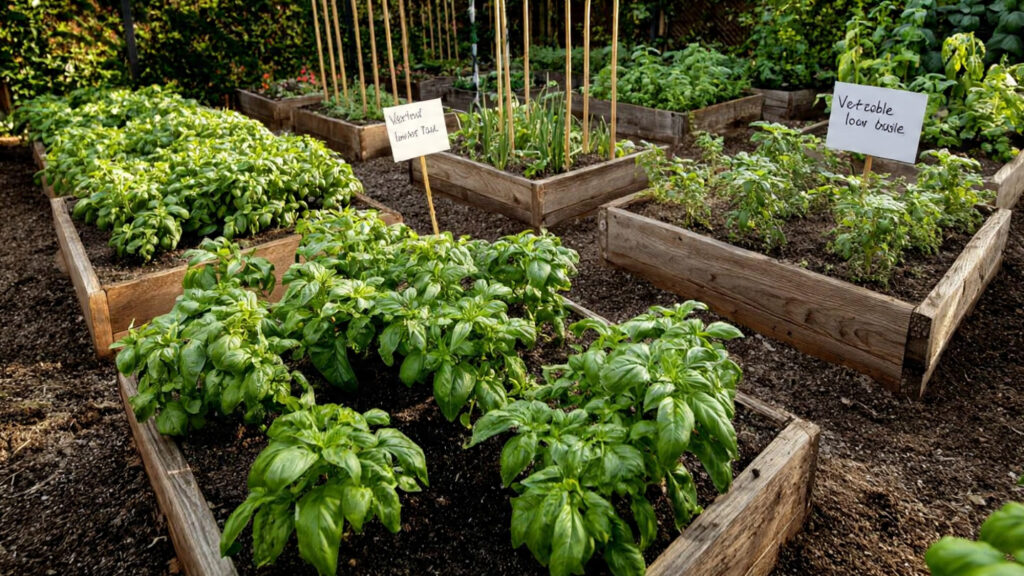
Planning your vegetable garden layout strategically enhances productivity and plant health. Proper spacing allows sunlight to reach all plants while promoting good air circulation. Overcrowding often leads to weak growth and increased disease risk. Organizing crops in rows, blocks, or raised beds makes maintenance easier and improves accessibility. Crop rotation is an important practice that prevents soil nutrient depletion and disrupts pest cycles by changing plant families each season. Companion planting further boosts success by pairing vegetables that benefit one another. For instance, basil planted near tomatoes may help repel certain insects, while onions planted near carrots can deter pests naturally. Thoughtful layout planning also simplifies watering and harvesting routines. Mapping your garden before planting saves time and prevents confusion later in the season. With careful organization, even a small space can produce a surprising amount of fresh vegetables while remaining visually appealing and manageable.
Selecting the Best Vegetables for Beginners
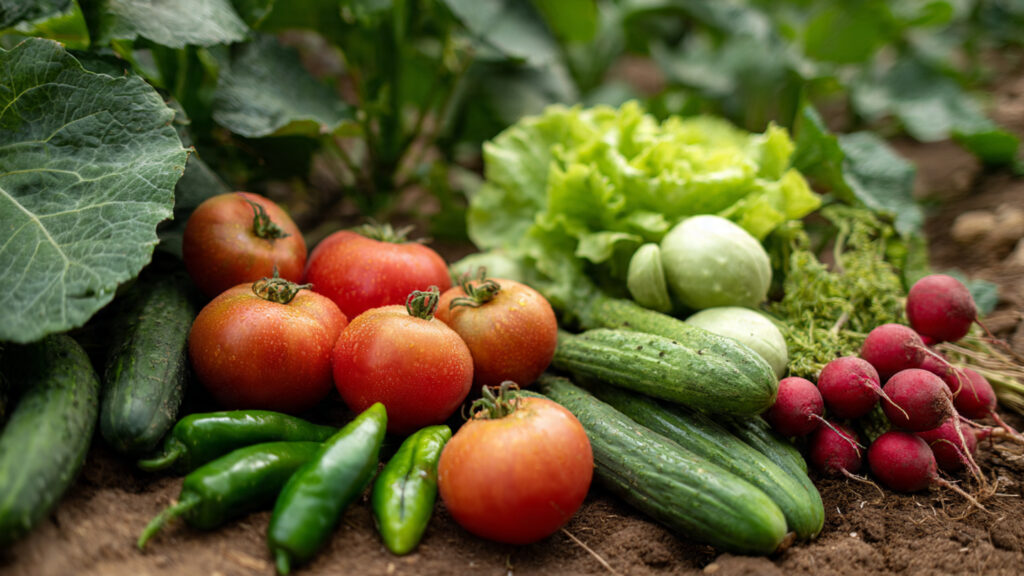
Selecting suitable vegetables is especially important for beginners. Starting with easy-to-grow crops builds confidence and ensures early success. Vegetables such as tomatoes, lettuce, spinach, radishes, cucumbers, beans, and green chilies are generally resilient and adaptable. These plants grow relatively quickly and provide visible progress, which motivates continued effort. Understanding seasonal planting is equally critical. Warm-season vegetables thrive in higher temperatures, while cool-season crops prefer milder conditions. Planting at the appropriate time improves germination rates and overall plant health. Researching your local climate and frost dates helps determine the best planting schedule. Gradually expanding your selection to include more diverse crops can keep your garden interesting and productive year-round. By choosing the right vegetables for your experience level and climate, you create a balanced garden that yields consistent and satisfying results.
Proper Watering Techniques for Healthy Plants
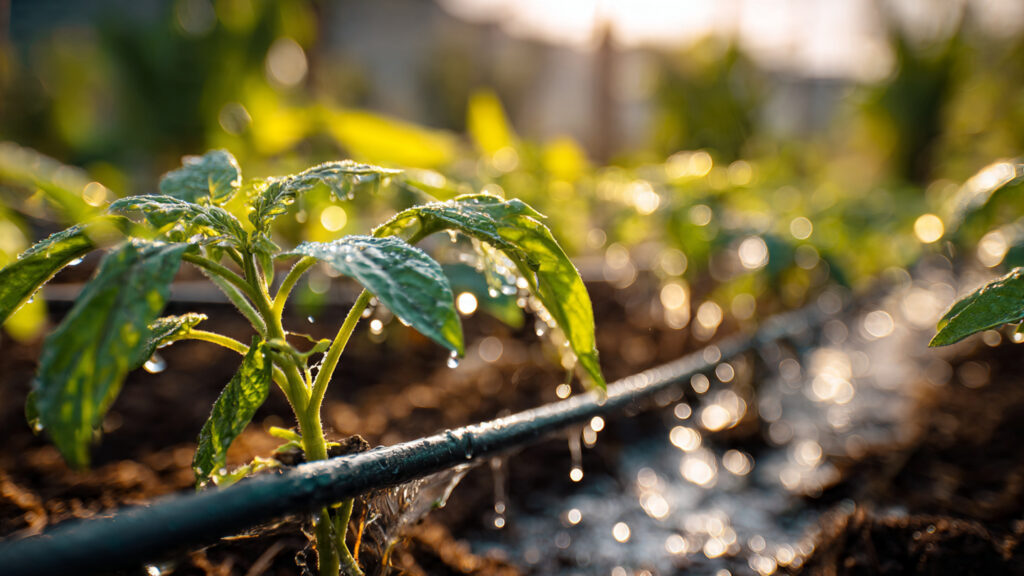
Proper watering techniques significantly influence the success of your vegetable garden. Consistency is key, as irregular watering can stress plants and reduce productivity. Most vegetables require about one to two inches of water per week, depending on weather conditions and soil type. Deep watering encourages roots to grow downward, making plants more resilient during dry periods. Watering early in the morning minimizes evaporation and allows foliage to dry before evening, reducing disease risk. Avoid overwatering, which can cause root rot and nutrient loss. Installing drip irrigation or soaker hoses ensures efficient water delivery directly to the root zone. Monitoring soil moisture by checking the top few inches helps determine when watering is necessary. Developing a balanced watering routine keeps plants healthy and supports steady growth throughout the season.
Organic Fertilizing and Natural Pest Control
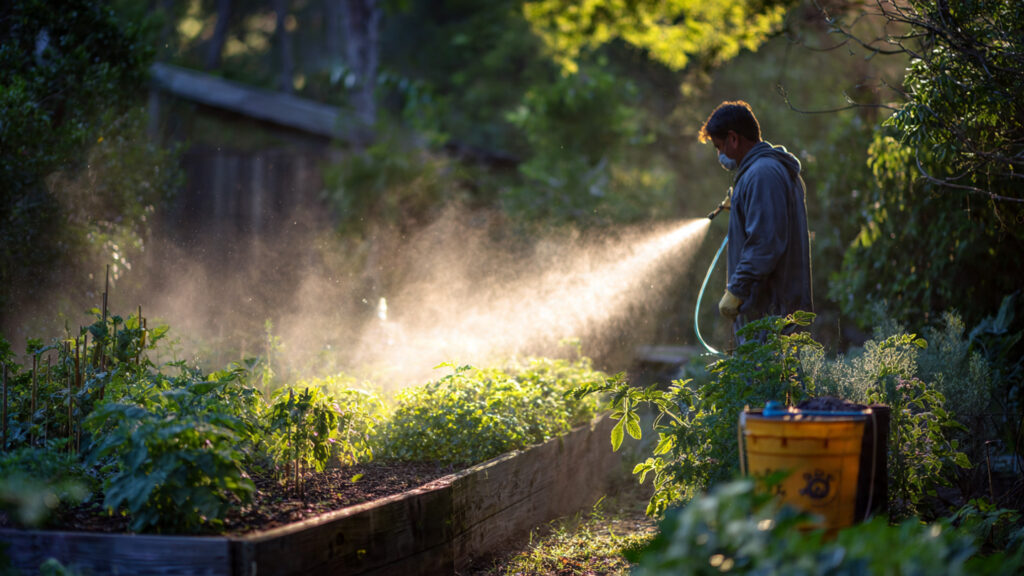
Feeding your vegetable plants with organic fertilizers ensures steady development and higher yields. Vegetables are heavy feeders, meaning they quickly absorb nutrients from the soil. Compost tea, vermicompost, fish emulsion, and natural kitchen-based fertilizers provide essential nutrients without harmful chemicals. Applying organic fertilizers every few weeks maintains plant vigor and improves soil fertility over time. Mulching around plants helps retain moisture, regulate soil temperature, and suppress weeds. Natural pest management techniques, such as neem oil sprays or introducing beneficial insects, protect crops without harming the environment. Regular garden inspections allow early detection of pests or diseases before they spread. By combining proper feeding, mulching, and pest control strategies, you create a balanced ecosystem where plants can thrive naturally.
Conclusion: Growing a Sustainable Vegetable Garden
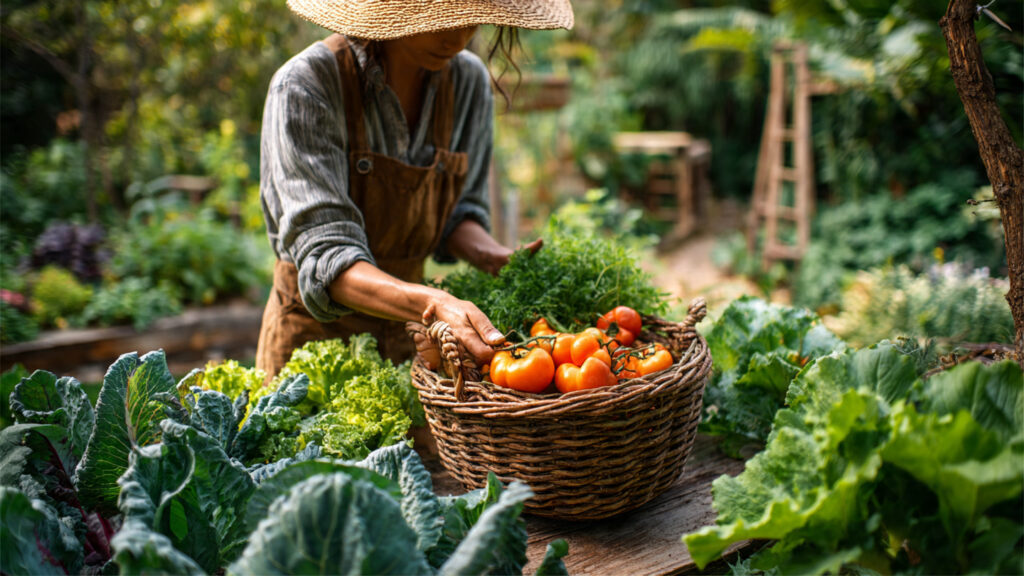
Starting and maintaining a vegetable garden is a journey filled with learning, growth, and satisfaction. From selecting the ideal location and enriching the soil to planting seasonally appropriate crops and maintaining consistent care, each step contributes to overall success. A well-maintained vegetable garden provides fresh, nutritious produce while promoting environmental responsibility and personal well-being. With patience and dedication, anyone can transform even a small space into a flourishing source of healthy food. Over time, gardening becomes more than a hobby—it becomes a meaningful and sustainable way of life that benefits both the gardener and the planet.
Frequently Asked Questions (FAQ’s)
The best month depends on your climate. Generally, early spring is ideal for most vegetables, while cool-season crops can be planted in the fall. Always check your local frost dates before planting.
Most vegetables require at least 6–8 hours of direct sunlight daily to grow properly and produce healthy yields.
Vegetable gardens typically need 1–2 inches of water per week. Deep watering in the morning is recommended for the best results.
Tomatoes, lettuce, spinach, radishes, cucumbers, beans, and green chilies are among the easiest vegetables for beginners.
Use neem oil sprays, introduce beneficial insects like ladybugs, practice crop rotation, and inspect plants regularly to prevent infestations.